

Protect Yourself with the Rabies Vaccine
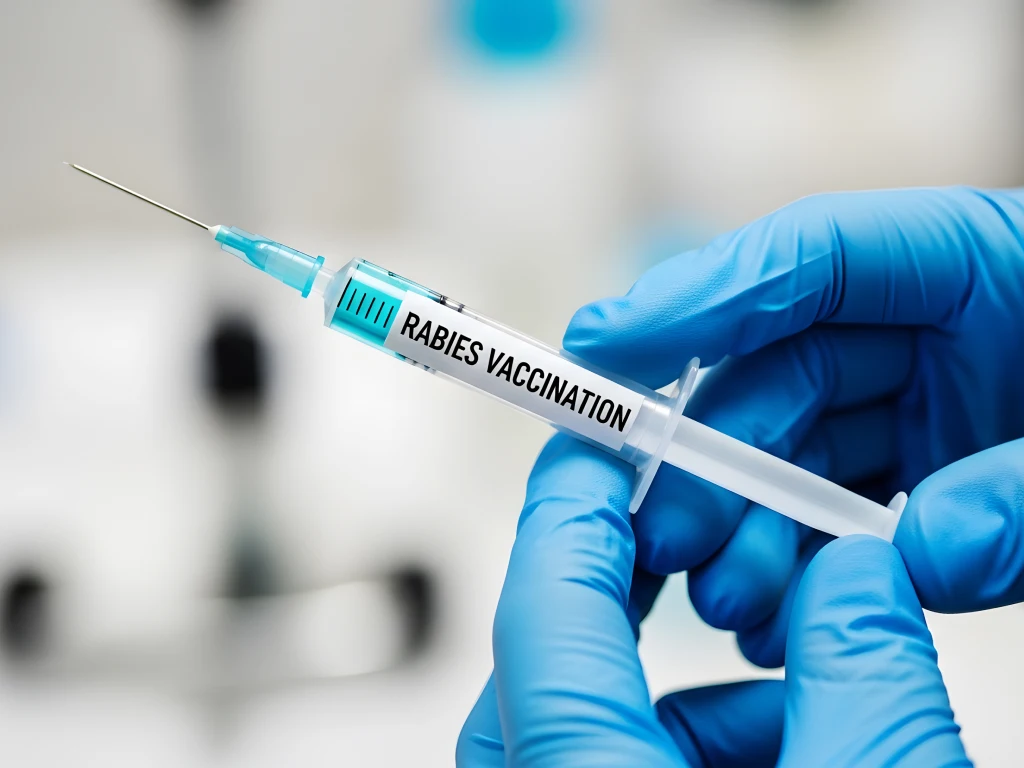
Rabies is a viral infection that affects the brain and nervous system. It is usually transmitted through the saliva of an infected animal, most commonly through a bite or scratch.
Early symptoms may include fever, headache, weakness and discomfort around the bite or scratch. As the infection progresses, it can cause confusion, difficulty swallowing, muscle weakness and paralysis.
Once symptoms develop, rabies is almost always fatal. However, it can be prevented through vaccination and prompt medical treatment after possible exposure.
Singapore has been rabies-free since 1953, but rabies remains present in more than 150 countries and territories, mainly in Asia and Africa. Rabies risk is also present in parts of Central and South America. Pre-exposure vaccination may be recommended for travellers and people whose work or activities put them at greater risk of contact with infected animals.
Read on to learn who may need the rabies vaccine, when to receive it and what to expect during and after vaccination.
What Is the Rabies Vaccine?
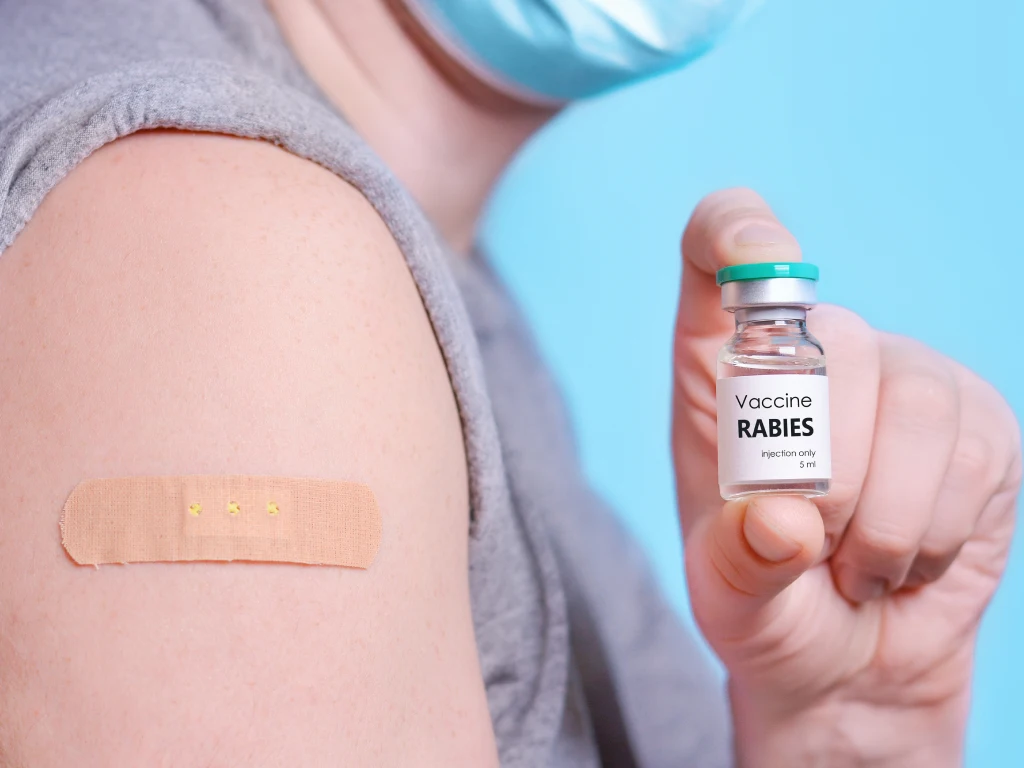
The rabies vaccine helps the immune system recognise and respond to the rabies virus. It is an inactivated vaccine and cannot cause rabies.
Rabies exposure may occur through:
- An animal bite
- A scratch that breaks the skin
- Saliva entering an open wound
- Saliva coming into contact with the eyes, nose or mouth
Dogs are the main source of human rabies infections worldwide. Other mammals, including cats, bats and monkeys, may also transmit the virus.
The rabies vaccine may be used in two situations:
- Before possible exposure: Known as pre-exposure vaccination or pre-exposure prophylaxis, this is recommended for people whose travel, work or activities place them at higher risk of rabies exposure.
- After possible exposure: Rabies vaccination may be given as part of post-exposure prophylaxis, which is urgent medical treatment following a possible exposure.
Pre-exposure vaccination does not remove the need for medical care or further treatment after an animal bite or scratch.
Who Should Get the Rabies Vaccine?
Because Singapore is rabies-free, pre-exposure rabies vaccination is generally considered according to a person’s travel, occupational or other exposure risk.
Vaccination may be considered for:
- Travellers visiting or living in rabies-affected countries who are likely to have direct contact with animals
- Travellers visiting rural or remote areas where prompt access to rabies vaccines and post-exposure treatment may be limited
- Veterinarians, veterinary staff, animal handlers, wildlife workers and animal disease control personnel who may come into contact with potentially infected animals
- Laboratory workers who handle live rabies virus or related viruses
- People undertaking activities with a higher likelihood of animal exposure, such as handling wildlife, working with bats or entering caves where bats are present
- Children travelling under higher-risk circumstances, as they may approach animals or may not report a bite or scratch
Not every traveller requires rabies vaccination. A doctor can assess your destination, length of stay, planned activities, likelihood of animal contact and access to medical care before advising whether vaccination is appropriate. Singapore’s Communicable Diseases Agency recommends discussing pre-exposure rabies vaccination with a doctor four to six weeks before travelling to a rabies-affected country.
When and How Often Should You Get Vaccinated?
For pre-exposure protection, the rabies vaccine is usually given as a course of two injections:
- First dose: Day 0
- Second dose: Day 7
Depending on the vaccine product, clinical protocol and individual risk, an additional dose on Day 21 or Day 28 may be recommended.
Arrange a consultation at least four to six weeks before departure, where possible, so there is enough time to assess your risk and complete the recommended rabies vaccine schedule.
Most travellers who complete a recognised pre-exposure course do not require routine booster doses. People with frequent or ongoing occupational exposure may require antibody testing or booster doses based on their level and duration of risk.
What to Expect During and After the Vaccination
The rabies vaccine is given as an injection, usually in the upper arm. For young children, it may be given in the thigh.
Common side effects may include:
- Pain, redness or swelling at the injection site
- Headache
- Mild fever
- Tiredness
- Muscle or joint aches
These side effects are generally mild and usually improve within a few days. Serious allergic reactions are rare.
If you may have been exposed to rabies, do not delay seeking medical care because of pregnancy, an allergy or an existing health condition. A doctor will assess the appropriate treatment.
Book Your Rabies Vaccine in Singapore
Healthway Medical provides rabies vaccination for travellers and individuals with a higher risk of animal exposure.
Our doctors can review your destination, travel plans, medical history and previous vaccinations before recommending a suitable rabies vaccination schedule. As the vaccine may require multiple doses, arrange your appointment early and contact your preferred clinic beforehand to confirm vaccine availability.
Schedule Your Vaccination