

Protect Yourself with the Japanese Encephalitis Vaccine
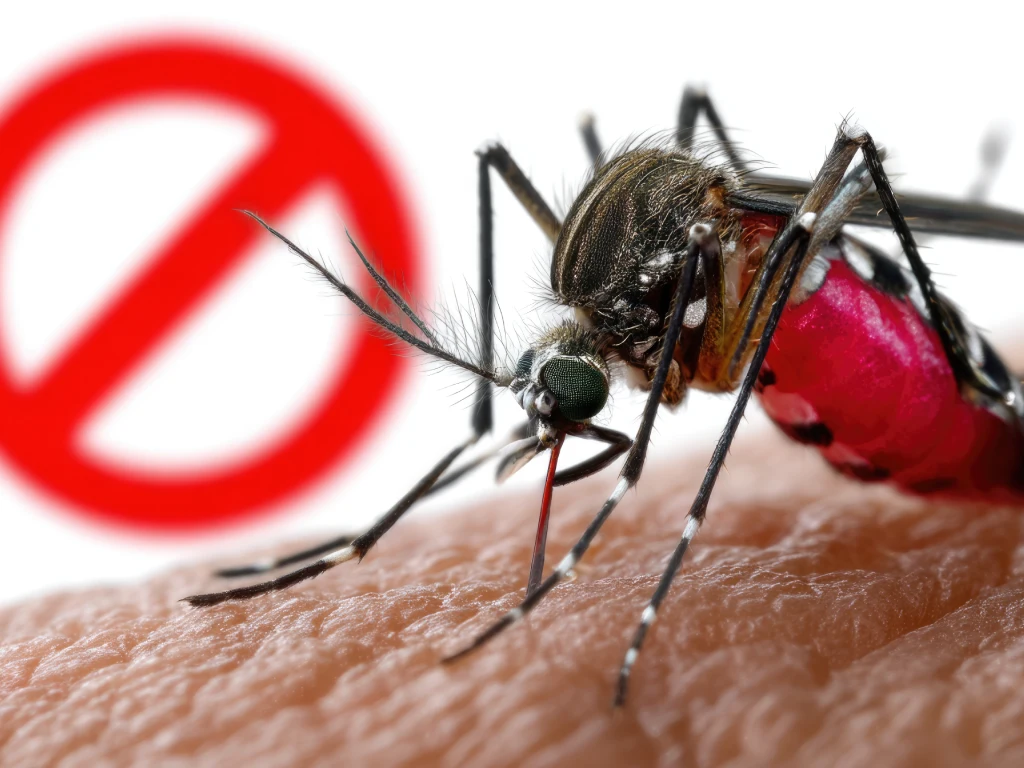
Japanese encephalitis is a mosquito-borne virus that can affect the brain. It is transmitted through the bite of an infected Culex mosquito and occurs mainly in Asia and parts of the Western Pacific.
Most people who become infected do not develop symptoms. However, a small 1% of them may develop severe inflammation of the brain. Symptoms may include fever, severe headache, confusion, seizures, paralysis or coma. Severe Japanese encephalitis infections may lead to lasting neurological complications or even death.
Vaccination may be recommended for travellers visiting Japanese encephalitis-endemic areas, particularly those spending an extended period in rural or agricultural locations. Read on to learn who may need the vaccine, when to receive it and what to expect during and after vaccination.
What Is the Japanese Encephalitis Vaccine?
The Japanese encephalitis vaccine helps the immune system recognise and respond to the Japanese encephalitis virus. It reduces the risk of developing an infection following exposure to the virus.
The virus is transmitted by mosquitoes that have fed on infected animals, particularly pigs and wild birds. It is more commonly found in rural and agricultural areas, including places where rice cultivation and pig farming are common.
Japanese encephalitis vaccines registered in Singapore include:
- IMOJEV: A live attenuated recombinant vaccine that may be given from nine months of age
- IXIARO: An inactivated vaccine that may be given from two months of age
The vaccination schedule differs between the two vaccines. The vaccine offered may also vary between clinics, so a doctor will advise which option and schedule are suitable for you.
Despite vaccination, precautions against mosquito bites should also be observed, as the Japanese encephalitis vaccine does not protect against other mosquito-borne infections.
Who Should Get the Japanese Encephalitis Vaccine?
Japanese encephalitis occurs across parts of Asia and the Western Pacific. Countries with Japanese encephalitis risk areas include Cambodia, China, India, Indonesia, Japan, Malaysia, the Philippines, South Korea, Thailand and Vietnam. However, the level of risk can vary within each country and according to the season.
Singapore’s Communicable Diseases Agency recommends vaccination for people travelling to Japanese encephalitis risk areas for more than one month and who are staying or working in rural areas.
Vaccination may be recommended or considered for:
- People moving to or living in a Japanese encephalitis-endemic area
- Travellers spending one month or longer in a risk area, particularly in rural or agricultural locations
- Frequent travellers to areas where Japanese encephalitis occurs
- Short-term travellers with a higher-risk itinerary, such as those spending substantial time outdoors, especially at night, in rural areas during the local transmission season
Vaccination is generally not recommended for travellers whose short trip is limited to urban areas or takes place outside a recognised Japanese encephalitis transmission season.
A doctor can assess your destination, travel duration, season, planned activities, accommodation and likelihood of mosquito exposure before advising whether vaccination is suitable for you.
When and How Often Should You Get Vaccinated?
The Japanese encephalitis vaccination schedule depends on the vaccine used, your age and whether you are likely to have continued or future exposure.
IMOJEV Schedule
- Individuals aged nine months and above: One dose for primary vaccination
- Children and adolescents aged nine months to 17 years: For longer-term protection, a booster is recommended preferably 12 months after the first dose and may be given up to 24 months afterwards
- Adults aged 18 years and above: A booster is not required for up to five years after the first dose
IXIARO Schedule
- Individuals aged two months and above: Two doses, usually given on Day 0 and Day 28
- Adults aged 18 to 65 years: A shorter schedule on Day 0 and Day 7 may be used when appropriate
- The two-dose course should be completed at least one week before possible exposure
- A booster may be recommended within 12 to 24 months if the risk of exposure continues or future exposure is expected
Consult a doctor four to six weeks before departure, where possible. This allows time for a travel health assessment and completion of the recommended vaccination schedule.
What to Expect During and After the Vaccination
The Japanese encephalitis vaccine is given as an injection, usually in the upper arm. For younger children, it may be given in the thigh.
Common side effects may include:
- Pain, redness or swelling at the injection site
- Headache
- Tiredness
- Muscle aches
- Mild fever or chills
- Nausea
These side effects are generally mild and usually improve within a few days. Serious allergic reactions are rare.
Vaccine suitability depends on the product used. For example, IMOJEV is a live vaccine and must not be given during pregnancy or breastfeeding, or to people with certain forms of immune suppression. A doctor will review your medical history and advise whether vaccination is suitable for you.
Book Your Japanese Encephalitis Vaccine in Singapore
Healthway Medical provides Japanese encephalitis vaccination for travellers who may be at increased risk of exposure.
Our doctors can review your destination, travel duration, planned activities, accommodation, medical history and previous vaccinations before advising whether the vaccine is suitable for you.
Arrange your appointment early and contact your preferred clinic beforehand to confirm vaccine availability and the number of doses required.
Schedule Your Vaccination