

Rotavirus Vaccine for Babies in Singapore
Rotavirus is a common cause of gastroenteritis, which is an inflammation of the stomach and intestines, in infants and young children. It spreads easily through contact with the faeces of an infected person, including through contaminated hands, toys and surfaces.
The infection can cause watery diarrhoea, vomiting and fever. In some babies, the loss of fluids may lead to dehydration and require hospital care.
The rotavirus vaccine is given only during early infancy, within specific age limits, to reduce the risk of rotavirus gastroenteritis, particularly severe diarrhoea. Read on to learn how the vaccine is given, when your baby should receive it and what to expect afterwards.
What Is the Rotavirus Vaccine?
The rotavirus vaccine helps the immune system recognise and respond to rotavirus. It is a live attenuated vaccine, which means it contains a weakened form of the virus.
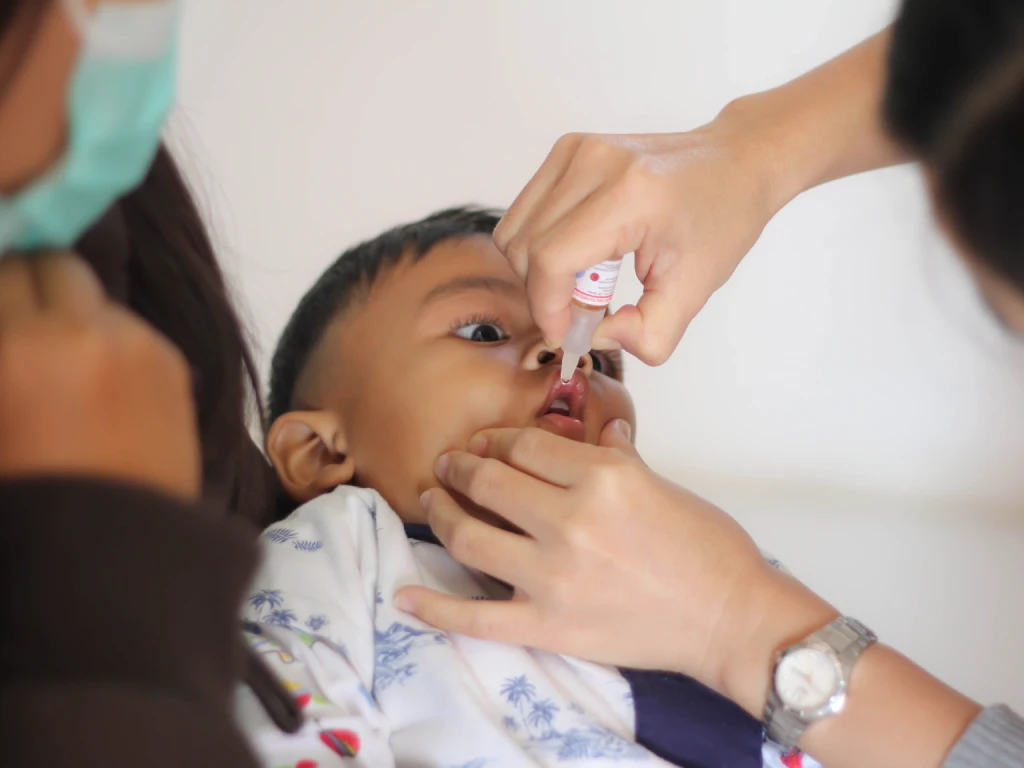
Unlike most childhood vaccines, the rotavirus vaccine is given by mouth rather than by injection.
Two types of rotavirus vaccine are registered in Singapore:
- Rotarix: A monovalent vaccine containing one rotavirus strain
- RotaTeq: A pentavalent vaccine containing five rotavirus strains
Both vaccines are given as a series of oral doses, but the number of doses and age limits are different. The vaccine offered may vary between clinics.
The rotavirus vaccine does not prevent diarrhoea or vomiting caused by other viruses, bacteria or medical conditions.
Who Should Get the Rotavirus Vaccine?
The rotavirus vaccine is intended for infants. As the vaccination course must begin and be completed within specific age limits, parents should discuss it with a doctor during their baby’s early health appointments.
It is not routinely given to older children or adults.
The vaccine should not be given to babies who:
- Have previously had intussusception, a bowel blockage caused when one part of the intestine slides into another
- Have severe combined immunodeficiency
- Have certain intestinal abnormalities that increase the risk of intussusception
Vaccination may need to be postponed if your baby currently has diarrhoea and/or vomiting, or is unwell with a fever. A doctor will assess whether and when the vaccine is suitable.
When and How Often Should Your Baby Get Vaccinated?
The rotavirus vaccination schedule depends on the vaccine used.
Rotarix Schedule
- The course consists of two oral doses
- The first dose may be given from six weeks of age
- There must be at least four weeks between doses
- The course should preferably be completed before 16 weeks of age and must be completed by 24 weeks of age
RotaTeq Schedule
- The course consists of three oral doses
- The first dose should be given between six and 12 weeks of age
- There must be at least four weeks between doses
- The third dose must be given by 32 weeks of age
Where possible, your baby should complete the vaccination course using the same rotavirus vaccine product. A doctor can confirm which vaccine your baby received and when the remaining doses are due.
What to Expect During and After the Vaccination
The rotavirus vaccine is given orally as a liquid through your baby's mouth. Your baby may continue to have breast milk, formula, food and other liquids before and after vaccination.
Common Side Effects
Some babies may experience mild diarrhoea, vomiting, fever or irritability. These effects are usually mild and improve on their own. Speak to a doctor if they persist or worsen.
Hygiene After Vaccination
As the vaccine contains a weakened form of rotavirus, small amounts of vaccine virus may be passed in your baby's stools. Wash your hands thoroughly with soap and water after changing nappies or cleaning up stools, particularly during the first two weeks after each dose.
When to Seek Medical Attention
Rarely, intussusception may occur after vaccination. This is a serious condition in which one part of the intestine slides into another, causing a bowel blockage. It is more likely to occur within the first week after the first or second dose.
Seek medical attention promptly if your baby experiences:
- Repeated bouts of severe crying or abdominal pain
- Pulling their legs towards their chest
- Persistent vomiting
- Blood in their stools
- A swollen abdomen
- Unusual tiredness or irritability
Book Your Baby’s Rotavirus Vaccination in Singapore
Healthway Medical provides rotavirus vaccination for eligible infants in Singapore.
Our doctors can review your baby’s age, medical history and vaccination records before recommending a suitable rotavirus vaccine and dosing schedule.
As the vaccine must be given within specific age limits, arrange your baby’s appointment early and contact your preferred clinic beforehand to confirm vaccine availability.
Schedule Your Vaccination