
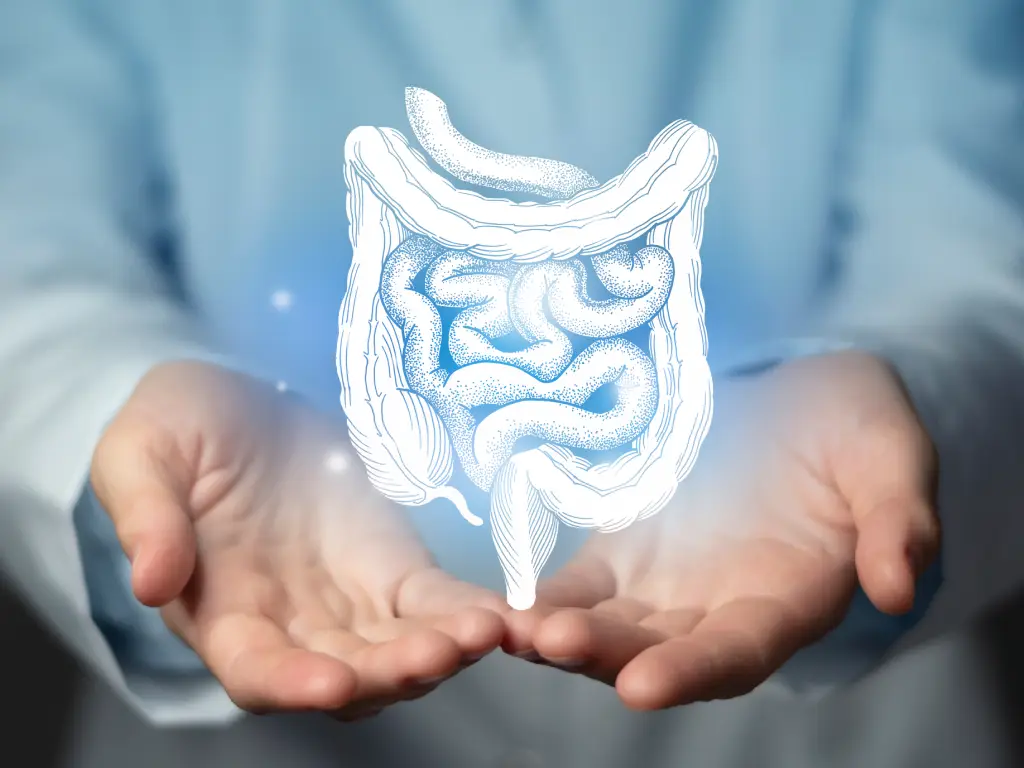
Digestive discomfort is something many people live with. Bloating after meals, heartburn at night, or changes in bowel habits are often brushed off as stress or eating too much outside. In a busy, food loving culture like Singapore, these symptoms can start to feel normal.
However, when digestive issues keep coming back, they may be signs that your gut is under strain. Paying attention to early symptoms can help you take action before discomfort becomes more persistent or affects your overall health. To help you recognise when it might be time to look a little closer, here are five common digestive issues to be aware of, the symptoms they often cause, and why they should not be ignored.
5 Symptoms Your Gut Is Overloaded
1. Frequent Bloating or Bloated Stomach
A bloated stomach can feel tight or swollen, especially after meals. It often happens when eating too quickly, at irregular times, or after sweet drinks, fizzy beverages or heavy meals. Occasional bloating is normal, but frequent bloating and gas after eating may signal digestion is under strain.
2. Acid Reflux or Ongoing Heartburn
Heartburn usually feels like a burning sensation in the chest or throat, sometimes with a sour taste in the mouth. Symptoms often worsen at night or when lying down. If you are wondering what causes acid reflux, common triggers include late night meals, frequent kopi or teh, spicy or oily foods, eating too close to bedtime. When heartburn happens often, it can disturb sleep and irritate the food pipe.
3. Irregular Bowel Habits
Changes in bowel habits may include constipation, loose stools, or switching between the two. These changes often show up during stressful periods or busy work schedules. Low fibre intake, dehydration, and long hours of sitting are common triggers. Ongoing changes may mean the gut is not functioning as well as it should.
4. Gas in the Stomach or Discomfort After Eating
Gas in the stomach can cause frequent wind, bloating or cramping after meals. This is more noticeable after rich, oily, or sugary foods, which are common during festive periods. This may happen when food is not digested properly. Regular discomfort after eating should not be ignored.
5. Feeling uncomfortably Full After Small Meals
Feeling full very quickly, even after a small meal, can leave the stomach feeling heavy and uncomfortable. This may happen when digestion slows down or when the digestive system is under stress. If this happens often, it can affect your appetite, reduce your overall food intake, and leave you feeling tired or sluggish throughout the day. While occasional early fullness may be linked to stress or irregular eating habits, persistent symptoms should be assessed to rule out underlying digestive conditions.
Why Festive Eating Affects Gut Health in Singapor
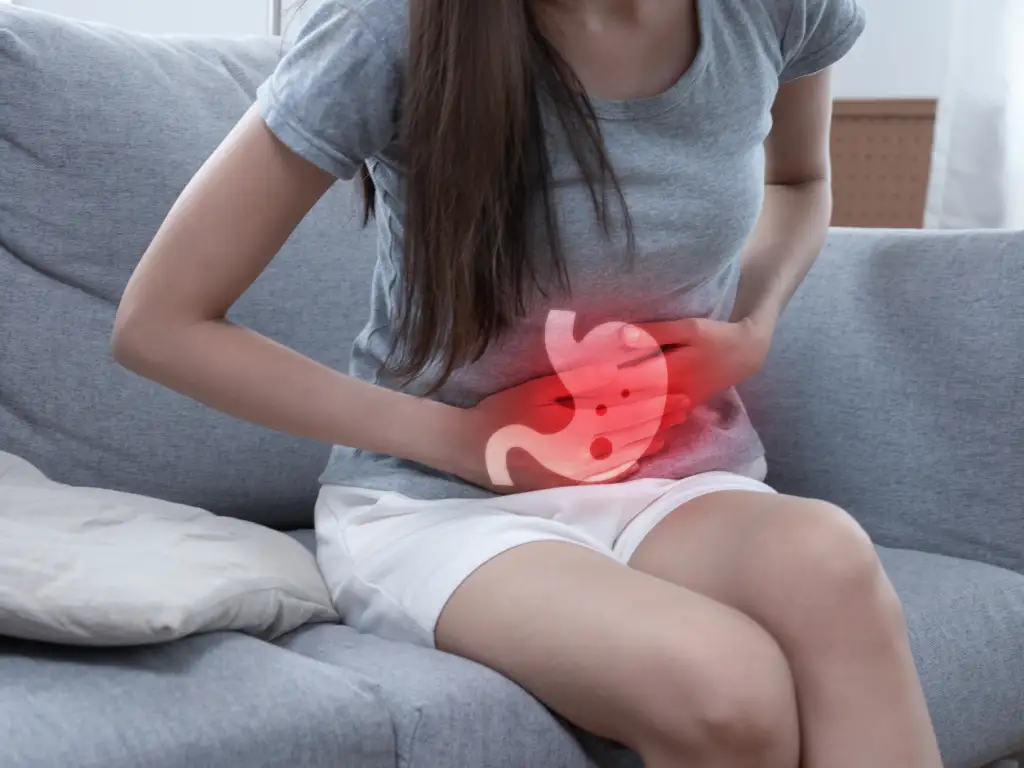
Festive periods such as Chinese New Year, Hari Raya, Deepavali, and year-e and gatherings often place extra pressure on digestion.
During celebrations, it is common to experience short term discomfort due to richer foods and larger portions. However, symptoms that linger well after the festivities should not be ignored.
Festive eating often involves:
- Heavier meals and frequent snacking
- Higher intake of oil, sugar, and refined carbohydrates
- Irregular meal timings and late-night eating
- Reduced fibre and water intake
For example, during Chinese New Year, repeated house visits, continuous snacking and rich reunion meals can place sustained demand on the digestive system, leaving little time for it to reset between meals. While mild bloating or fullness may be expected after indulgent eating, persistent reflux, ongoing bloating or changes in bowel habits may suggest that the gut is struggling to cope with increased load.
What Does a Gut Reset Actually Mean?
Supporting gut health does not mean extreme detoxes or cleanses. It is about giving your digestive system the conditions it needs to function better.
A practical approach goes beyond simply listing habits changes:
- Restoring regular meal timings
Eating at consistent times helps regulate digestion and reduces acid fluctuations that can worsen bloating or reflux. - Increasing regular meal timings
Large, irregular meals place more strain on the gut and can aggravate discomfort. - Increasing fibre and fluid intake
Fibre supports bowel regularity, while adequate fluids help maintain smooth gut movement. - Paying attention to signs that may need medical evaluation
Persistent pain, reflux or changes in bowel habits should prompt medical review.
While supportive habit changes often ease mild symptoms, ongoing discomfort may require assessment by a GP.
When to Check Your Gut Health
Digestive discomfort should not become your normal. It is a good idea to speak to a doctor if you notice.
- Symptoms lasting more than a few weeks
- Worsening pain or discomfort
- Unexplained weight loss
- Blood in stools
- Persistent reflux despite lifestyle changes
A GP Healthway Medical can help assess your symptoms, recommend appropriate test if needed, and guide you on sustainable changes rather than drastic fixes.
By listening to early signals and seeking guidance when needed, you can protect your long –term gut health and continue enjoying food with greater comfort and confidence.
Related Articles

Adult Vaccination Costs in Singapore: Subsidies and MediSave Explained
October 06, 2026
CHAS, Healthier SG and MediSave: What’s the Difference?
September 28, 2026