
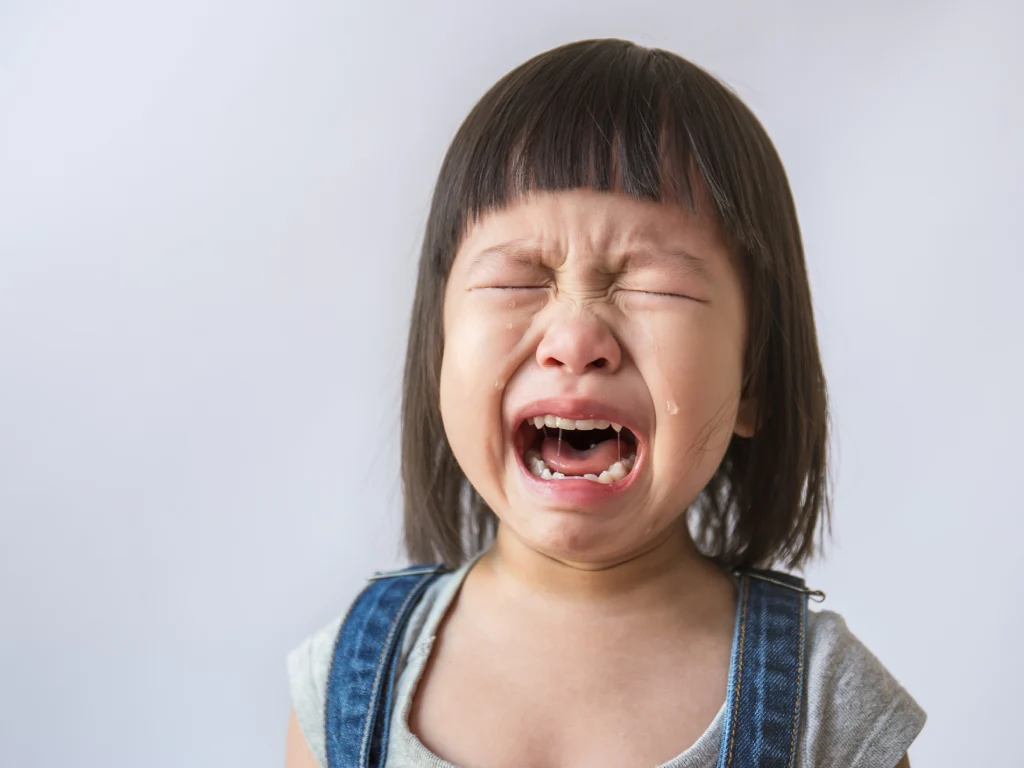
Festive house visits are a big part of celebrations like Chinese New Year. Families gather, homes are lively, and children are surrounded by excitement. However, many parents notice that during Chinese New Year visiting, their children do not sleep as well and seem more emotional than usual.
If your child has been cranky, restless, or having mood swings, it is often linked to disrupted routines rather than bad behaviour. Understanding why this happens can help parents respond with patience and reassurance.
Why Chinese New Year Can Disrupt Children’s Sleep
Children thrive on routine. Regular bedtimes, familiar sleep cues, and predictable schedules help their bodies know when it’s time to rest.
During Chinese New Year, routines often change. Bedtimes may be later, naps may be skipped, and sleep may happen in unfamiliar places. For babies and toddlers, even small changes to a baby sleep schedule can make a big difference.
When these disruptions happen over several days, children may become overtired, making it harder for them to fall asleep and stay asleep.
Overstimulation During Festive Visits
In addition to changes in routine, children may also be affected by the lively atmosphere of festive visits. Chinese New Year visiting often involves loud conversations, bright lights, and many people interacting with your child.
This can lead to overstimulation, which happens when a child experiences more excitement than they can process without enough rest. While adults may enjoy the festive buzz, children can quickly feel overwhelmed.
An overstimulated child may struggle to calm down, even when they are tired. This can result in delayed sleep, frequent night waking, or resistance at bedtime.
Adjusting to a New Environment
Another factor that can affect sleep is the sleeping environment. Even small changes like a different room, a new bed, or changes in lighting and noise can leave children feeling unsettled.
Younger children may not be able to explain what feels wrong, but their discomfort often shows in other ways. This may include increased clinginess, anxiety, or difficulty settling down at bedtime.
When children do not feel secure in their surroundings, it can affect the quality of their sleep, even if they appear physically well.
How Sleep Loss Can Affect Your Child’s Mood
When children do not get enough sleep, their emotions are often the first thing to change. You may notice that your child becomes more easily upset, cries over small things, or reacts strongly to minor frustrations. Some children experience mood swings and may move quickly from being happy to feeling angry or tearful. Others may seem unusually clingy or sensitive during the day.
Sleep plays an important role in helping children manage their feelings. When they are overtired, it becomes harder for them to stay calm, cope with change, or express themselves clearly. This can make everyday situations feel overwhelming for them.
These emotional changes are usually not intentional. In most cases, they are simply a sign that your child needs more rest and reassurance.
Signs Your Child May Be Overtired
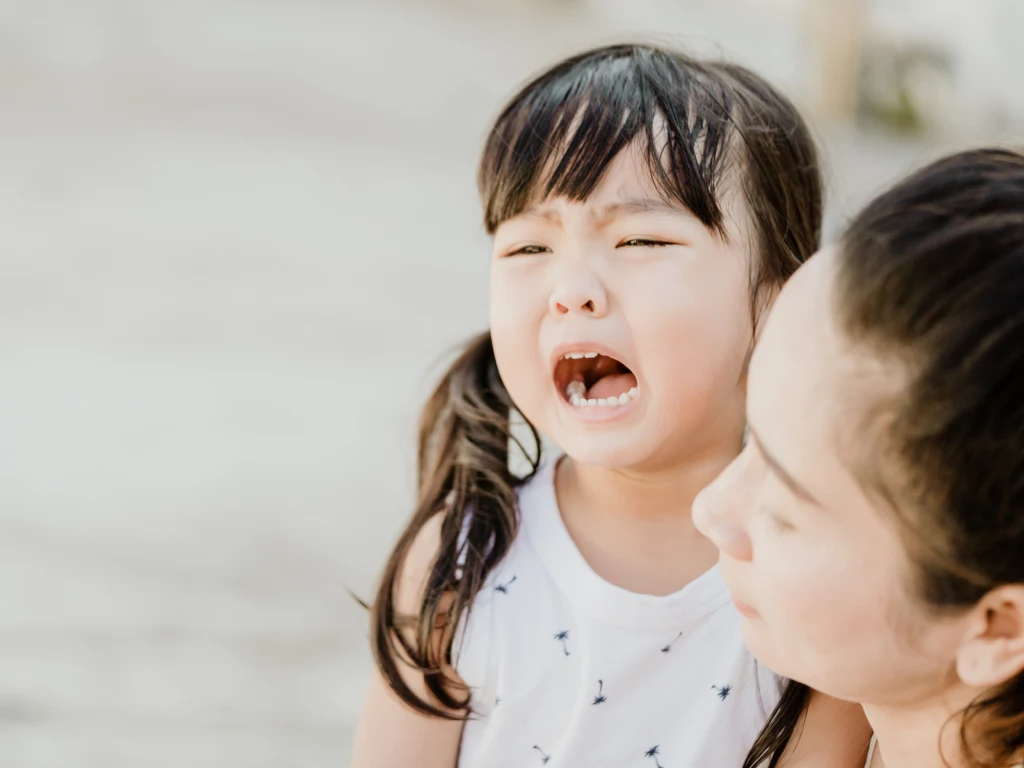
Children don’t always show tiredness by yawning or slowing down. Some common signs include:
- Difficulty settling down at night
- Frequent waking during sleep
- Increased emotional outbursts
- Short temper or tearfulness
- Trouble listening or focusing
For babies, overtiredness may even cause them to fight sleep more, making it harder to maintain a stable baby sleep schedule during festive periods.
Practical Tips to Help Children Adjust During Festive Visits
While disrupted routines are normal during Chinese New Year, there are ways parents can support children’s sleep and mood:
- Maintain familiar routines where possible
Even if bedtime is a little later, keeping elements like reading a bedtime story, using a favourite blanket, or dimming lights can signal it’s time to sleep. - Plan quiet wind-down time
Before leaving for visits or after returning home, spend 15–20 minutes doing calm activities to help children relax. - Keep naps consistent for younger children
Even shorter or earlier naps can prevent overtiredness and reduce mood swings. - Provide a familiar sleep environment
Bring items from home like a blanket, pillow, or soft toy to help children feel secure. - Manage overstimulation
Limit exposure to very noisy rooms or crowded gatherings right before bedtime. Give children a chance to rest in a quiet space if needed. - Be patient and empathetic
Recognise that crankiness or clinginess is often due to tiredness, not misbehaviour. Gentle reassurance goes a long way.
Understanding and Supporting Children During CNY
Disrupted sleep during festive visits is common and usually resolves once regular routines resume. By being mindful of routine changes, overstimulation, and new environments, parents can help children feel calm and secure during celebrations.
At Healthway Medical, our family doctors often guide parents through everyday childhood concerns, including sleep routines, emotional wellbeing, and behavioral changes. While most sleep disruption during Chinese New Year doesn’t require medical attention, we are always here to offer advice and support for parents navigating these everyday challenges.
Related Articles

Adult Vaccination Costs in Singapore: Subsidies and MediSave Explained
October 06, 2026
CHAS, Healthier SG and MediSave: What’s the Difference?
September 28, 2026