
Understanding the Hepatitis B Vaccine in Singapore: What You Need to Know
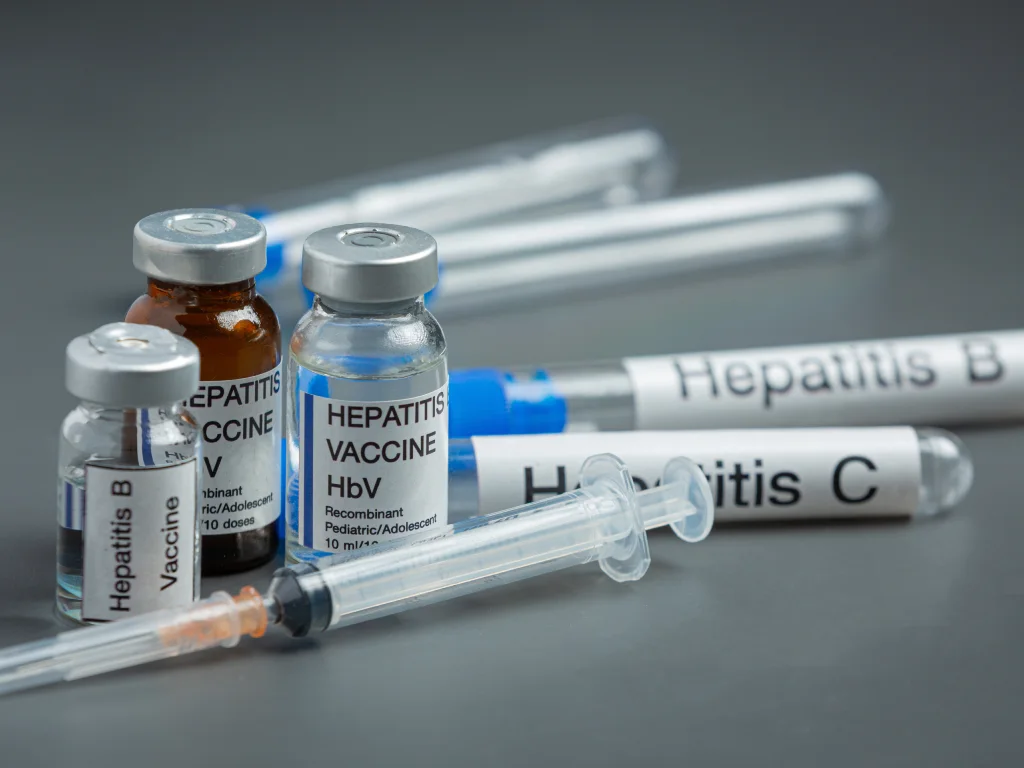
Hepatitis B is a viral infection that targets the liver. This virus spreads through contact with infected blood or bodily fluids. Common transmission routes include unprotected sex, sharing needles or razors, and from an infected mother to her baby during childbirth. The infection can range from a short-term illness to a long-lasting chronic condition, which may lead to serious complications over time.
In Singapore, awareness of how you get Hepatitis B remains important. It is not spread through casual contact such as hugging, sneezing, or sharing food. However, because the virus can live outside the body for several days, even small amounts of infected blood can pose a risk.
Hepatitis A vs Hepatitis B vs Hepatitis C
Although all three types affect the liver, they differ in how they spread, how serious the illness is, and whether they become long-term conditions.
| Hepatitis Type | Transmission Method | Severity and Duration | Vaccine Available | Risk of Chronic Infection |
| Hepatitis A | Contaminated food or water | Causes acute illness only, most recover fully | Yes | No |
| Hepatitis B | Blood, bodily fluids, unprotected sex, mother-to-child | Can be acute or chronic, may lead to liver cancer | Yes | Yes |
| Hepatitis C | Blood (shared needles, past medical procedures) | Often silent, leads to chronic liver disease | No (but curable with treatment) | Yes |
Understanding these differences underscores the importance of targeted prevention, especially with the availability of the Hepatitis B vaccine. It remains one of the most effective ways to reduce your risk of long-term liver complications.
How the Hepatitis B Vaccine Protects You
What is Hepatitis B?
Hepatitis B is a viral infection that affects the liver and can be either short-term (acute) or long-term (chronic). Left untreated, chronic Hepatitis B can cause serious liver damage, including scarring (cirrhosis), liver failure, or even liver cancer. The virus spreads through direct contact with infected blood or bodily fluids. This can happen during unprotected sex, through shared needles, or from mother to child at birth.
One of the challenges with Hepatitis B is that many people do not show symptoms in the early stages. When symptoms do occur, they may include tiredness, fever, nausea, joint discomfort, and yellowing of the skin or eyes, known as jaundice. Because the infection can go unnoticed for years while silently harming the liver, vaccination and early detection are essential.
How the Hepatitis B Vaccine Protects You
The Hepatitis B vaccine provides strong protection by training your immune system to fight the virus. It is given in a series of three injections over six months. Once the full course is completed, most people gain long-lasting immunity.
The Hepatitis B vaccine is readily available across Singapore. It is not only part of the childhood immunisation schedule but also recommended for unvaccinated adults, especially those who may be at greater risk of exposure. Getting vaccinated is a simple and effective way to protect your liver and overall health.
Who should get the Hepatitis B Vaccine?
Hepatitis B vaccination is recommended for anyone who has not completed the full three-dose series. It is especially important for:
- Adults who missed childhood vaccination
If you were never vaccinated, completing the series helps protect you from serious liver complications. - Healthcare and frontline workers
Those regularly exposed to blood or bodily fluids should be vaccinated for occupational safety. Your doctor may also advise a post-vaccination blood test to confirm immunity. - Travellers to high-risk countries
If you’re visiting a region where Hepatitis B is common, vaccination is strongly advised. An accelerated schedule may be available if you’re travelling soon. - People with chronic conditions or weakened immune systems
Vaccination is a key step in protecting vulnerable individuals. Your doctor may recommend a tailored schedule or additional monitoring.
Not sure if you’ve already been vaccinated? A simple blood test can check your immunity status. Speak with a Healthway Medical doctor to find out if you need the vaccine.
Book Your VaccinationWhen and How Often Should You Get Vaccinated?
The standard Hepatitis B vaccine schedule involves three doses over The standard schedule for the Hepatitis B vaccine includes three doses over a six-month period:
- First dose
- Second dose one month after the first
- Third dose six months after the first
This schedule applies to most healthy individuals, including adults who have not been previously vaccinated. If your vaccination was delayed or interrupted, it is safe to restart or continue the series from where you left off. Booster doses are not typically needed after completing the full course, unless advised by your doctor based on specific medical needs.
For children in Singapore, the Hepatitis B vaccine is included in the National Childhood Immunisation Schedule (NCIS) as part of the 6-in-1 combination vaccine. This vaccine also protects against diphtheria, tetanus, pertussis (whooping cough), polio, and Haemophilus influenzae type b. It is typically administered at 2, 4, and 6 months of age, with a booster dose given later in childhood.
What to Expect During and After the Vaccination
- Before your vaccination
Your doctor will ask about your medical history and any known allergies, especially to components in the vaccine such as yeast. In some cases, a blood test may be recommended to check if you are already immune to Hepatitis B—this is common for people who are unsure of their vaccination history, suspect previous exposure, or belong to higher-risk groups like healthcare workers. - During your visit
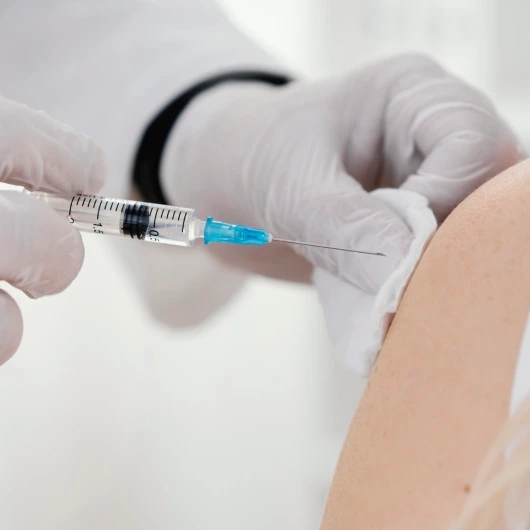
The vaccine is administered as a quick injection in the upper arm. Most people describe the process as quick and minimally uncomfortable. - After the injection
It is normal to have mild side effects such as a sore arm, slight fever, or fatigue. These symptoms usually go away within a day or two. If you feel unwell or have any concerns, contact your doctor for advice.
Is a blood test necessary before the vaccine?
A blood test (typically to check for Hepatitis B surface antibodies) may be recommended if:
- You are unsure of your vaccination or infection history
- You may have been exposed to Hepatitis B
- You work in a healthcare or high-risk setting
- You are undergoing a pre-employment health check
If none of these apply to you, your doctor may advise proceeding with the vaccination without testing first.
Stay Ahead of Hepatitis B

Your liver is essential to your overall health, yet Hepatitis B can silently damage it for years without symptoms. The encouraging part is that it’s entirely preventable with timely vaccination.
If you have not been vaccinated or are unsure of your status, speak with your GP or book a Hepatitis B vaccination at Healthway Medical or your nearest clinic. A simple step today can protect your future health. It’s never too late to start.
Book Your Vaccination