
As Chinese New Year (CNY) approaches, many families begin their annual preparations with excitement and anticipation. Homes are cleaned to welcome good fortune, new clothes symbolise fresh beginnings, and reunion dinners are carefully planned as the highlight of the festive season.
Amid these preparations, one important question is often overlooked: is your digestive system ready for the changes that come with Chinese New Year?
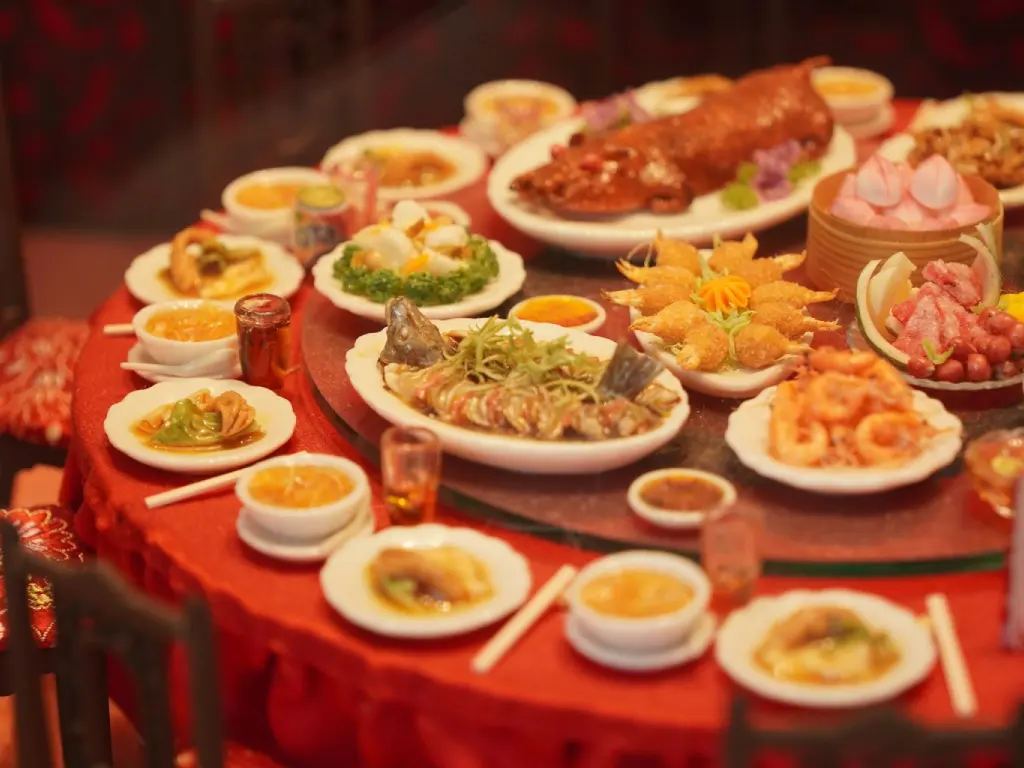
Chinese New Year celebrations are closely tied to food. Lavish reunion dinners, frequent snacking, festive treats, and late-night gatherings are part of the tradition. While these moments bring joy and togetherness, they also introduce changes to daily routines that can quietly affect digestive health. Paying attention to digestion during this period helps the body adapt more comfortably, allowing you to enjoy the season without ongoing discomfort.
Why Digestive Discomfort Is Common During Chinese New Year
Digestive changes during Chinese New Year are often related to disruptions in routine rather than any single meal. Festive foods tend to be richer and more varied than everyday diets, and they are often eaten more frequently and at less regular times.
At the same time, fibre intake may decrease, hydration can become inconsistent, and sleep schedules may shift due to visiting and late-night gatherings. When these factors occur together, the digestive system may struggle to maintain its usual rhythm, which can lead to digestive issues for some individuals.
Understanding how festive routines influence digestion helps explain why digestive discomfort is common during the Chinese New Year period.
How Festive Habits Affect Digestion During Chinese New Year
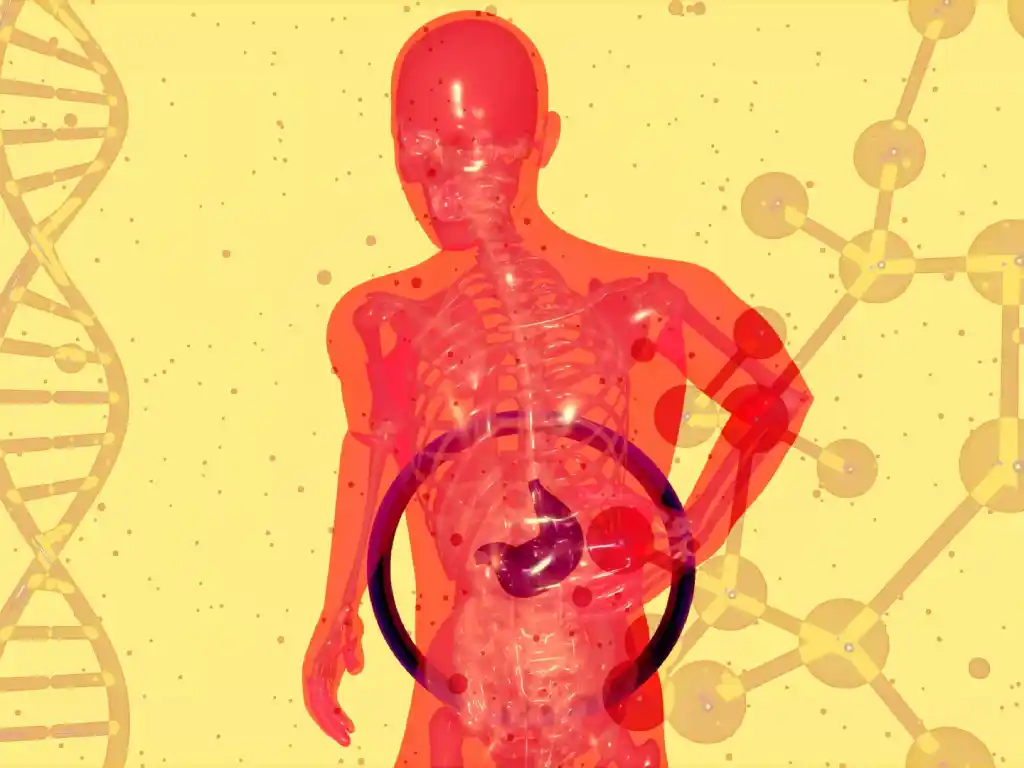
Several lifestyle and dietary habits commonly seen during Chinese New Year can place additional strain on the digestive system.
- Overeating at Reunion Dinners
Reunion dinners often involve multiple courses served over long periods. Eating beyond fullness can challenge normal digestive capacity and slow digestion. - Excessive Snacking and Sugary Treats
Pineapple tarts, cookies, chocolates, and candies are readily available throughout the day. Constant snacking leaves little time for digestion to reset between meals. - Alcohol and Sweetened Beverages
Alcohol, soft drinks, and sweetened teas may irritate the stomach lining and influence acid production, particularly in individuals with sensitive digestion. - Irregular Eating and Sleeping Patterns
Late meals, reduced sleep, and disrupted routines can interfere with normal digestive rhythms.
These habits do not affect everyone in the same way, but they can contribute to digestive discomfort over the festive period.
Simple Tips to Support Digestive Health During CNY
Maintaining digestive health during Chinese New Year does not require avoiding festive foods altogether. Instead, small, mindful habits can help support the digestive system as routines change.
Eat Smaller Portions, mindfully
Enjoy a variety of foods, but listen to your body’s signals. Stop eating when you feel comfortably full rather than overly stuffed.
Balance Your Plate
Include vegetables and protein alongside festive dishes. Fibre from vegetables supports digestion and helps prevent constipation.
Stay Hydrated
Drink enough water throughout the day. Warm water or unsweetened tea can aid digestion and reduce bloating.
Take Light Walks After Meals
A gentle walk after eating helps stimulate digestion and prevents food from sitting heavily in the stomach.
Do Not Ignore Recurring Symptoms
Occasional discomfort may be normal, but frequent or worsening symptoms are not. Persistent bloating, pain, or reflux should be evaluated medically.
When It’s More Than Just Festive Eating
If digestive discomfort begins before Chinese New Year or occurs regularly in daily life, it may not be due to festive eating habits alone. In some cases, underlying digestive conditions may be contributing.
Common conditions include:
- Gastritis – inflammation of the stomach lining, often causing pain, nausea, or bloating
- Gastroesophageal Reflux Disease (GERD) – chronic acid reflux that leads to heartburn and chest discomfort
- Food intolerance or digestive sensitivity – difficulty digesting certain foods, leading to gas or diarrhoea
These conditions may become more noticeable during Chinese New Year due to dietary changes, stress, and irregular routines. Early medical assessment helps clarify the cause and allows appropriate management, supporting greater comfort during the festive season.
Prepare Your Gut, Enjoy the Festivities
Chinese New Year is about more than food. It is a time for togetherness, gratitude, and meaningful connections with family and loved ones. Digestive discomfort should not distract from these moments.
Just as preparing the home symbolises welcoming a fresh start, being mindful of digestive health helps the body adapt to festive routines with greater ease. Paying attention to digestive changes and seeking medical advice when symptoms persist can make a meaningful difference throughout the Chinese New Year celebrations.
At Healthway Medical, our doctors assess digestive symptoms, consider possible underlying causes, and provide appropriate medical guidance to help you manage digestive issues during the festive period with confidence.
Related Articles

Adult Vaccination Costs in Singapore: Subsidies and MediSave Explained
October 06, 2026
CHAS, Healthier SG and MediSave: What’s the Difference?
September 28, 2026