
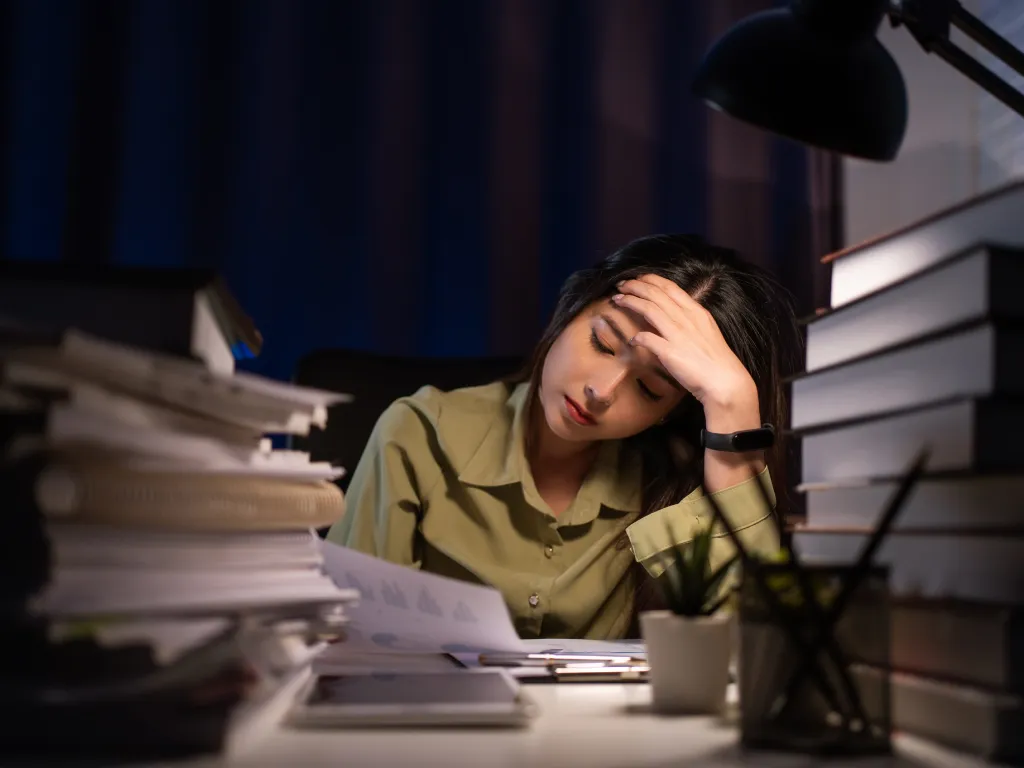
Fatigue, mood changes and irregular cycles are easy to attribute to stress, especially in Singapore, where long working hours and high-pressure environments are common. However, when symptoms continue even after rest or begin to follow a pattern, stress may not be the only explanation.
Hormonal imbalance shares many of the same symptoms as stress, making it difficult to identify without knowing what to look for. This article explains the common signs of hormonal imbalance, what causes it, and when to seek medical advice in Singapore.
Key Takeaways
- Hormonal imbalance symptoms often overlap with stress, making the cause difficult to identify.
- Stress-related hormone fluctuations are usually temporary and improve when the stressor is managed.
- Symptoms that continue despite rest or recur over time may suggest hormonal imbalance.
- Daily habits support hormonal balance, but symptoms that linger should be assessed by a doctor in Singapore.
Why Hormonal Imbalance Is Often Confused with Stress
Hormones regulate mood, metabolism, sleep, appetite and reproductive function. When the body produces too much or too little of one or more hormones, these systems can fall out of balance. Because stress affects many of the same systems, the symptoms can feel very similar.
A useful way to think about it is this: stress usually reflects what is happening around you, while hormonal changes tend to reflect what is happening within your body.
Can Stress Cause Hormonal Imbalance?
Yes, but usually temporarily. Chronic stress raises cortisol, which can disrupt multiple hormone systems. Under sustained pressure, your body prioritises survival functions over long-term regulation. You may notice:
- changes in sleep
- fluctuations in energy
- delayed or irregular menstrual cycles
- changes in mood or appetite
These short-term hormone fluctuations are the body's response to sustained stress. Stress-related changes tend to mirror life events and often resolve with adequate rest, sleep and stress management.
Hormonal imbalance, on the other hand, usually presents with more consistent or progressive patterns, stemming from lifestyle factors, underlying medical conditions, or natural life-stage transitions.
Key Differences Between Stress and Hormonal Imbalance
Although symptoms overlap, their timing and progression often provide important clues.
Stress-related symptoms usually:
- appear during high-pressure periods
- improve with rest or reduced workload
- do not follow a consistent cycle
Hormonal imbalance symptoms often:
- recur in a similar way over time
- persist despite adequate rest
- gradually intensify over months
It is possible for both to coexist. Chronic stress can exacerbate underlying hormonal conditions, making differentiation more complex.
Symptoms of Hormonal Imbalance
Common signs of hormonal imbalance may include:
- fatigue that does not improve despite adequate sleep
- unexplained weight gain or difficulty losing weight
- irregular, heavy or missed periods
- adult acne or hair thinning
- mood changes not clearly linked to external triggers
- reduced libido
Whether symptoms are stress-related or hormonal, supporting your body through daily habits can help stabilise symptoms. When symptoms do not resolve even after stress levels decrease, speaking to a doctor for a structured assessment is a sensible next step.
Supporting Hormonal Balance in Everyday Life
When symptoms begin to affect daily life, many people in Singapore look for ways to support hormonal balance naturally. While medical causes require appropriate treatment, daily habits can stabilise hormone rhythms.
- Manage Chronic Stress Load
Reducing sustained stress through structured breaks, exercise and relaxation practices can help stabilise cortisol levels and reduce unnecessary hormone fluctuations. - Maintain Regular Meals and Stable Blood Sugar
Balanced meals with adequate protein and fibre support insulin stability. Extreme dieting or long fasting intervals may destabilise metabolic hormones. - Prioritise Consistent Sleep
Hormone secretion follows circadian rhythms. Regular sleep supports balanced cortisol and reproductive hormone patterns. Inconsistent sleep disrupts these rhythms and may worsen symptoms. - Track Your Menstrual Cycle
For women, tracking cycle length, flow and symptoms provides valuable insight. Recognising irregular patterns early allows timely discussion with a doctor.
Lifestyle support is valuable, but it should complement, not replace, medical evaluation when symptoms are ongoing or severe. To understand how your hormones work and what influences them, see our guide on hormonal health in women.
When Should You See a Doctor for Hormonal Imbalance?
If hormonal imbalance symptoms last for more than two to three cycles, progressively worsen, or significantly affect daily life, medical consultation is advisable.
Rather than focusing on a single symptom, a doctor will evaluate:
- duration and pattern of symptoms
- menstrual history
- recent stressors
- sleep and dietary habits
- overall metabolic health
Can I Do Tests for Hormonal Imbalance?
Hormone blood tests may be recommended when clinically indicated. These can include thyroid function tests, reproductive hormone panels or metabolic markers. As hormone levels naturally fluctuate across the menstrual cycle and life stages, results are most useful when interpreted alongside a clinical assessment.
If you are unsure whether your symptoms reflect stress or hormonal imbalance, speaking to a GP can help clarify the next steps.
Frequently Asked Question
What is the difference between stress and hormonal imbalance?
Stress-related symptoms typically appear during high-pressure periods and improve with rest. Hormonal imbalance symptoms tend to follow a cyclical pattern, persist regardless of stress levels, and may gradually worsen over time. When symptoms do not resolve after the stressor passes, an underlying hormonal condition may be contributing.
What causes hormonal imbalance?
Common causes include lifestyle factors such as chronic stress, poor sleep, and extreme dieting, as well as medical conditions including thyroid disorders, PCOS, and insulin resistance. Hormonal shifts also occur naturally during perimenopause and menopause. Identifying the underlying cause is important before starting any treatment or supplementation.
What are the early signs of hormonal imbalance?
Early signs of hormonal imbalance include fatigue that does not improve with rest, irregular or missed periods, unexplained weight changes, adult acne, and mood shifts that recur without a clear trigger. If these symptoms follow a recognisable pattern over time, they are worth discussing with a doctor.
Can stress cause hormonal imbalance?
Chronic stress raises cortisol levels, which can temporarily disrupt reproductive hormones and affect menstrual regularity, mood, and energy. These changes often improve when stress is managed. However, if symptoms continue despite reduced stress, an underlying hormonal condition such as PCOS or thyroid dysfunction may be contributing.
How long do hormonal imbalance symptoms last?
Stress-related hormone changes typically improve once the stressor resolves. Symptoms that persist across two or more menstrual cycles, progressively worsen, or do not improve with rest and lifestyle adjustments are more likely to reflect an underlying hormonal condition and should be assessed by a doctor.
How can I balance my hormones naturally?
Supportive habits include managing chronic stress, maintaining regular sleep, eating balanced meals with adequate protein and fibre, and monitoring your body for recurring symptoms. These measures can support your body's natural hormonal balance but are not a substitute for medical evaluation if symptoms are ongoing or significantly affecting daily life.
When should I test my hormone levels?
If symptoms such as fatigue, irregular periods, mood changes, or unexplained weight shifts continue over time, hormone testing is worth considering. A doctor will recommend the right panel based on your symptoms, this may include thyroid function, reproductive hormones, or metabolic markers, so results are interpreted in context.
Related Articles

Adult Vaccination Costs in Singapore: Subsidies and MediSave Explained
October 06, 2026
CHAS, Healthier SG and MediSave: What’s the Difference?
September 28, 2026