

If you have been dealing with irregular periods, stubborn acne, or unexplained weight gain, and something just feels off, you might not be imagining it.
Polycystic ovary syndrome, or PCOS, is one of the most common hormonal conditions affecting women today. According to the World Health Organization, up to 70% of women with PCOS worldwide remain undiagnosed. However, with the right support, PCOS is manageable. This article walks you through what PCOS is, how to recognise it, and what you can do about it.
Key Takeaways
- PCOS is one of the most common hormonal conditions in women, affecting approximately 1 in 10 women of reproductive age
- Symptoms vary widely and include irregular periods, acne, excess hair growth, weight gain and mood changes
- PCOS can affect women of any body size, including women with a normal body weight
- PCOS affects fertility, but many women with the condition do conceive, with or without assistance
- A GP can diagnose PCOS based on your symptoms, hormone levels and, in some cases, ultrasound findings
What is PCOS?
PCOS is a hormonal disorder in which the ovaries produce higher than normal levels of androgens. Androgens are sometimes called "male hormones," and all women produce small amounts of them naturally. This hormonal imbalance disrupts the normal process of ovulation, which is the monthly release of an egg from the ovary.
Despite its name, PCOS does not always involve visible cysts on the ovaries. The "polycystic" appearance seen on ultrasound refers to a collection of small, underdeveloped follicles that have not been able to release an egg. Some women with PCOS never develop this pattern at all.
What causes PCOS?
The exact cause of PCOS is not fully understood. It is likely a combination of factors working together rather than any single cause. Some of the key contributors include:
- Insulin resistance is one of the most significant. When the body's cells do not respond normally to insulin, the pancreas produces more of it to compensate. High insulin levels, in turn, stimulate the ovaries to produce excess androgens, which interferes with ovulation. Many women with PCOS have insulin resistance even if their blood sugar levels appear normal, and even if they are not overweight.
- Hormonal imbalance plays a central role. Elevated androgen levels directly disrupt the growth and release of eggs, contributing to irregular cycles and the physical symptoms of PCOS such as hirsutism and acne.
- Genetics is another well-established factor. PCOS can run in families. If your mother, sister or aunt has been diagnosed with PCOS or Type 2 diabetes, your own risk is higher.1 This does not mean PCOS is inevitable, but it is worth being aware of.
Whatever the underlying cause, the impact on everyday life is real and recognising the signs early makes a meaningful difference.
PCOS is more common than you think
PCOS can affect any woman of reproductive age, regardless of ethnicity or body size. It most commonly becomes apparent during the late teens or early twenties, though some women are not diagnosed until they try to conceive.
A few things worth knowing:
- PCOS affects approximately 1 in 10 women of reproductive age globally2
- It can appear at any age after puberty
- A family history of PCOS or Type 2 diabetes increases your risk
- Many women go years without a diagnosis because symptoms are mistaken for other things
Despite how common it is, PCOS remains widely misunderstood. Many women live with the symptoms for years without connecting them to a hormonal condition. So, what should you actually be looking out for?
What are the symptoms of PCOS?
Symptoms vary considerably between women, and they can change over time. Not every woman will experience every symptom, and some may be mild enough to dismiss or attribute to other causes. That is precisely why so many women go undiagnosed for years.
Common symptoms include:
- Irregular periods
This is usually the first sign. Cycles that are longer than 35 days, shorter than 21 days, absent for months at a time, or unpredictably variable are all considered irregular. Some women with PCOS have very heavy bleeding when they do menstruate, while others experience only light, infrequent periods. - Acne
PCOS-related acne tends to be deeper, more persistent and more resistant to standard treatments than typical teenage acne. It often appears along the jawline, chin, chest and back. Women in their twenties and thirties who are still experiencing significant acne that does not respond to topical treatments may have an underlying hormonal cause worth investigating. - Excess hair growth (hirsutism)
Elevated androgen levels can cause coarse, dark hair to grow in areas where men typically grow hair, such as the chin, upper lip, chest, abdomen and inner thighs. Hirsutism affects a significant proportion of women with PCOS, with some estimates as high as 70%.3 Many women feel embarrassed to raise this with a doctor, but it is a clinically meaningful indicator of androgen excess. - Hair thinning or scalp hair loss
Paradoxically, while PCOS causes excess hair growth on the body, it can also cause hair thinning on the scalp, often in a diffuse pattern or at the crown. - Weight gain
Particularly around the abdomen, and is often described as difficult to shift despite diet and exercise. This is closely linked to insulin resistance. - Dark skin patches
Known as acanthosis nigricans, these are dark, velvety patches of skin that can appear in the folds of the neck, armpits or groin. They are a visible sign of insulin resistance and are often overlooked as a PCOS indicator. - Mood changes
Women with PCOS have significantly higher rates of anxiety and depression compared to women without the condition. These are not simply a reaction to living with a difficult diagnosis. They are believed to be partly driven by the hormonal and metabolic changes of PCOS itself.4
Could you have PCOS and not know it?

Yes, and it is more common than most people realise. Up to 70% of women with PCOS globally are undiagnosed.2 This happens for several reasons.
- Symptoms are often dismissed as normal, particularly in adolescence, when irregular periods and acne are expected.
- Women who are not overweight are rarely suspected of having PCOS by either themselves or their doctors.
- And because PCOS does not usually cause obvious or acute symptoms, many women wait years before seeking an answer.
Understanding what PCOS can lead to if left unaddressed is an important part of taking your health seriously.
Why Managing PCOS Matters
PCOS is a lifelong condition, but it is one that can be managed well. Understanding what is at stake if it goes unaddressed is the first step towards taking control of your health. Left unmanaged, PCOS raises the risk of serious long-term health conditions, including:
- Type 2 diabetes,
- heart disease, and
- endometrial cancer, particularly in women with infrequent or absent periods
The psychological impact is also significant, with women with PCOS experiencing substantially higher rates of depression and anxiety than the general population.4 These risks are not inevitable. With the right management, whether through lifestyle, medication or specialist care, they can be significantly reduced.
Lifestyle Changes That Help Manage PCOS
Small, consistent changes make a real difference. Lifestyle modification is not a secondary option; it is clinically recognised as a first-line treatment for PCOS.6
- Diet
The evidence consistently supports a low-glycaemic index approach6 — one that avoids sharp spikes in blood sugar and directly targets the insulin resistance at the root of many PCOS symptoms. This means prioritising whole grains, legumes, vegetables, lean proteins and healthy fats, and reducing refined carbohydrates, sugary drinks and ultra-processed foods. For women in Singapore, this often means being more mindful of white rice, white bread and sweetened beverages, which are staples in the local diet. - Exercise
Current guidelines recommend at least 150 minutes of moderate aerobic activity per week, such as brisk walking, cycling or swimming, combined with strength training two to three times per week. Even modest weight loss of 5 to 10% in women who are overweight may help restore ovulation in some cases.6 Regular exercise also meaningfully improves insulin sensitivity and mood regardless of weight loss. - Sleep
Women with PCOS have higher rates of disrupted sleep, which worsens insulin resistance and hormonal imbalance. A consistent sleep schedule and a minimum of seven hours per night are recommended. If you snore heavily or feel unrefreshed after sleep, mention this to your GP as it may warrant further investigation. - Stress management
Chronic stress raises cortisol levels, which can worsen hormonal imbalance and amplify PCOS symptoms. Mindfulness-based approaches, including meditation, yoga and breathing exercises, have shown meaningful benefit in reducing anxiety and stress in women with PCOS.4
These changes work best alongside regular check-ins with your GP, who can monitor your progress and adjust your management plan over time.
When to see a GP for PCOS
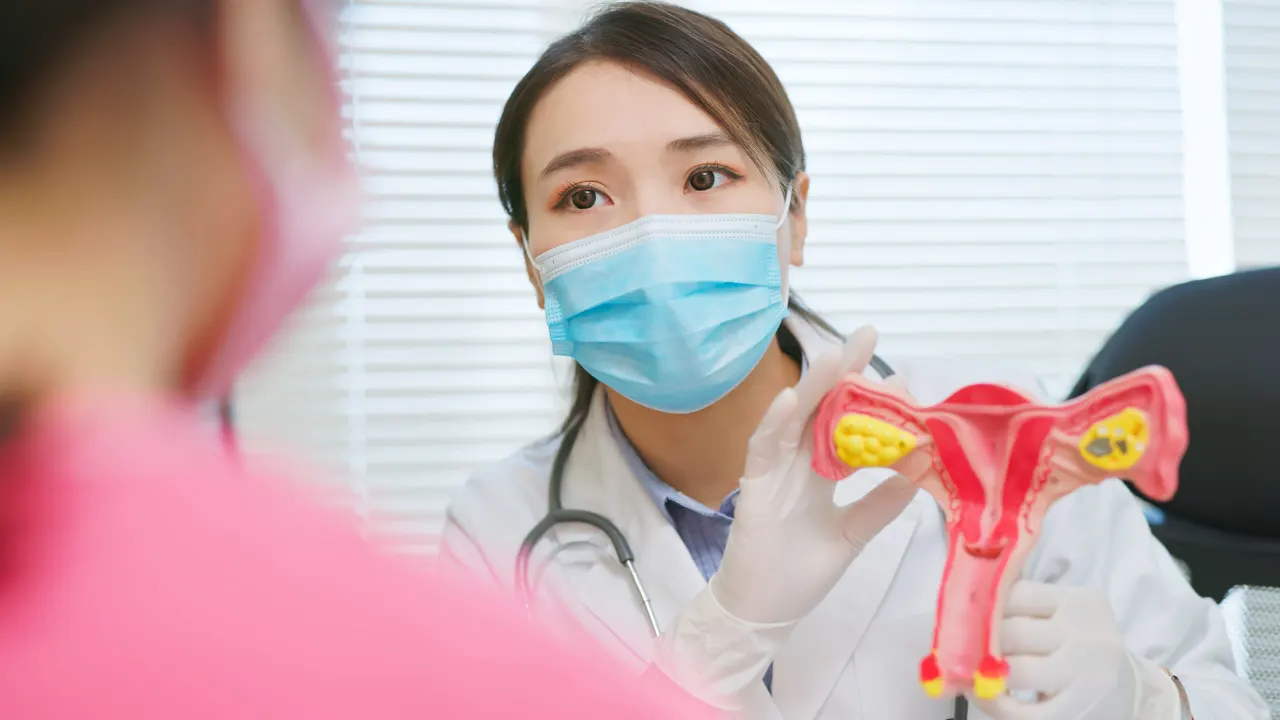
Lifestyle changes are a powerful starting point, but a GP can give you a clearer picture of what is driving your symptoms and help you build a plan. Consider seeing a GP if you have any of the following:
- Periods that are consistently irregular, absent or unpredictable
- Persistent acne, particularly along the jawline, that is not responding to treatment
- Noticeable excess hair growth on the face or body
- Difficulty maintaining a healthy weight despite a reasonable diet and exercise
- Scalp hair thinning not explained by nutritional deficiency or stress
- Concerns about your fertility or difficulty conceiving
- A family history of PCOS, Type 2 diabetes or irregular periods
What Your GP Can Do
A GP is the right first point of contact for most women with PCOS. Beyond diagnosing the condition, your GP can prescribe certain treatments, monitor your health over time and refer you to a specialist when needed.
There is currently no single cure for PCOS, but treatment can help manage symptoms, regulate periods, support fertility and reduce long-term health risks. Treatment depends on your symptoms and whether you are trying to conceive, and your GP will work with you to identify the right approach. Depending on your symptoms and whether you are planning a pregnancy, your GP may recommend one or more of the following:
- The combined oral contraceptive pill is often the first-line treatment for women who are not trying to conceive. It regulates the menstrual cycle, reduces androgen levels and can significantly improve acne and excess hair growth. It also provides important protection for the uterine lining by ensuring it sheds regularly.
- Metformin is an insulin-sensitising medication widely used in PCOS to reduce insulin resistance, lower androgen levels and, in some women, restore more regular ovulation. It is particularly useful for women with PCOS who also have pre-diabetes or who are trying to conceive.
For symptoms such as persistent acne or excess hair growth, your GP may also prescribe topical treatments or antiandrogen agents or refer you to a dermatologist or specialist for further care.
If any of the symptoms in this article sound familiar, the right first step is a conversation with a GP. Speak to a Healthway Medical GP to assess your symptoms, arrange the right tests and build a plan that fits your life.
Frequently Asked Question
What does PCOS feel like?
It is different for every woman, which is part of why it goes unrecognised for so long. For some, it is periods that arrive without warning or not at all. For others, it is acne that never quite clears, or hair appearing in unexpected places, or weight that shifts without explanation. Some women notice a persistent low mood or anxiety that they cannot pin down. Many describe a quiet sense that something is not quite right long before they have a name for it.
How do I know if I have PCOS?
You cannot know for certain without seeing a GP. But if you have been experiencing two or more of the following — irregular periods, persistent acne, excess hair growth, scalp hair thinning, unexplained weight gain, or a family history of PCOS or Type 2 diabetes — it is worth getting checked. A GP will look at your symptoms, run the relevant blood tests and arrange an ultrasound if needed to build a full picture.
Can thin women have PCOS?
Yes. This is one of the most persistent myths about PCOS, and it is particularly relevant in Singapore, where most women with the condition have a normal body weight. Insulin resistance does not only affect women who are overweight. If you have irregular periods, acne or excess hair growth but are not overweight, PCOS is still worth looking into.
Can my GP diagnose and treat PCOS?
Yes. For most women, a GP is a good first point of contact. Your GP can assess your symptoms, arrange tests, confirm a diagnosis, prescribe first-line treatments and guide lifestyle changes. They can also monitor your long-term metabolic health and refer you to a gynaecologist or endocrinologist if specialist care is needed.
Does PCOS cause diabetes?
Not directly, but the two are closely linked. The insulin resistance that drives many PCOS symptoms also significantly raises the risk of pre-diabetes and Type 2 diabetes over time.1 This is why regular blood glucose monitoring matters even if you feel well. If you have PCOS, it is worth asking your GP to include a fasting glucose and HbA1c as part of your routine blood panel.
Can I get pregnant if I have PCOS?
Yes. PCOS can make it harder to conceive because it may affect ovulation, but many women with PCOS do get pregnant, with or without medical support. Lifestyle changes may help restore more regular ovulation, while treatments such as ovulation induction or IVF may be considered if needed.
Sources
- Shukla A, Rasquin LI, Anastasopoulou C. Polycystic Ovarian Syndrome. StatPearls Publishing. Updated July 7, 2025. https://www.ncbi.nlm.nih.gov/books/NBK459251/
- World Health Organization. Polycystic ovary syndrome. WHO Fact Sheet. Updated January 2026. https://www.who.int/news-room/fact-sheets/detail/polycystic-ovary-syndrome
- Cleveland Clinic. Polycystic Ovary Syndrome (PCOS): Symptoms and Treatment. https://my.clevelandclinic.org/health/diseases/8316-polycystic-ovary-syndrome-pcos
- Allen LA, Shrikrishnapalasuriyar N, Rees DA. Long-term health outcomes in young women with polycystic ovary syndrome: A narrative review. Clinical Endocrinology. 2022;97(2):187-198. https://pubmed.ncbi.nlm.nih.gov/34617616/
- Yang Q, Benny P, Lee JJN, et al. Asian women with PCOS have enhanced ovarian reserve and ART outcomes, even at an advanced maternal age: a model for reproductive longevity? Human Reproduction Open. Published October 14, 2025. https://www.ncbi.nlm.nih.gov/pmc/articles/PMC12587411/
- Teede HJ, Tay CT, Laven J, et al. Recommendations from the 2023 International Evidence-based Guideline for the Assessment and Management of Polycystic Ovary Syndrome. Fertility and Sterility. 2023;120(4):767-793. https://pubmed.ncbi.nlm.nih.gov/37589624/
Related Doctor

Dr Nicole Yap Ee-Jenn
Family Physician MBBS (Honours) (Monash U, Australia), GDFM (Singapore, 2024)Related Clinic

Healthway Medical (Jalan Membina)

Related Articles

Adult Vaccination Costs in Singapore: Subsidies and MediSave Explained
October 06, 2026
CHAS, Healthier SG and MediSave: What’s the Difference?
September 28, 2026