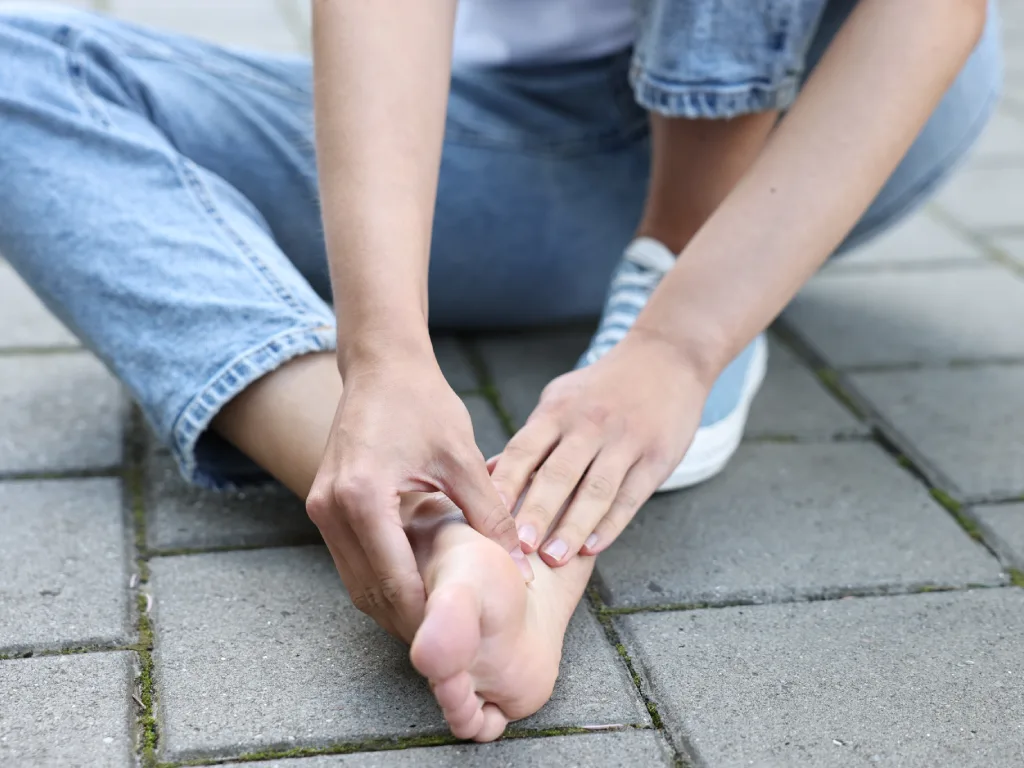
The holiday season is finally here. You’re out exploring, ticking off your itinerary, and walking a little more than usual. By mid-trip, it starts. A sharp sting in your heel each morning, a dull ache under your foot after a long walk. Gradually, every step feels more strained than the last.
This kind of pain is common, especially during travel. And for many, the cause is plantar fasciitis, a condition that often stays quiet until your feet are pushed past their usual routine.
While it’s rarely serious, it can be stubborn and frustrating. But with the right knowledge and support, it can be managed. Even on the go.
It’s More Than Sore Feet
Plantar fasciitis occurs when the band of tissue that supports the arch of your foot becomes irrita`ted or inflamed. It is one of the most common causes of heel pain, especially in adults who spend long hours on their feet.
It often shows up as:
- A stabbing pain at the bottom of your heel
- Discomfort under the arch or sole of the foot
- Pain that worsens after long walks or standing
- Tightness in the calf or ankle, especially in the morning
While symptoms may come and go, holidays often flare them up due to more walking, less supportive footwear, and unfamiliar surfaces.
Why Travel Brings It Out
Even if you feel fine during your daily routine, travel often disrupts the way your feet normally move. Some common triggers include:
- Extended walking throughout the day
- Hard or uneven surfaces
- Wearing sandals or flats without cushioning
- Carrying luggage that adds pressure
- Long periods of standing in queues or crowded areas
It is often not just one day of activity, but the repeated strain on your feet that builds up over time.
What You Can Do Right Now
If your heel pain flares up mid-trip or even once you're back, here are practical steps that can help.
1. Prioritise Supportive Footwear
Shoes that cushion and support your heel and arch can make a noticeable difference. Choose:
- A firm heel counter (the back part of the shoe that hugs your heel)
- Moderate arch support to take pressure off the plantar fascia
- A slightly elevated heel (e.g. running shoes or cushioned walking shoes)
- Shock-absorbing soles, especially if you're walking on hard surfaces
Avoid: flip-flops, ballet flats, flat sandals, or any shoes that bend too easily in the middle.
Insoles help too, especially if you're wearing neutral shoes. Look for over-the-counter orthotic insoles with:
- A deep heel cup
- Moderate arch support
- A soft but stable base
2. Stretch First, Walk Later
Heel pain is often worse after rest. Stretching your calves and plantar fascia before walking helps reduce tension.
- Calf wall stretch: Hold for 30 seconds per leg, repeat 2 to 3 times
- Towel stretch: Hold for 20 to 30 seconds, repeat 2 to 3 times a day
These simple movements reduce tension along the heel and arch and can be easily done at home or while travelling.
3. Ice, Especially After Long Days
Ice can help reduce inflammation and soothe irritation, especially after a long day on your feet.
How to do it:
- Freeze a water bottle
- Roll your arch over it for 10–15 minutes after activity
- Do this 1–2 times a day if your heel feels especially sore
It is a simple and effective way to ease discomfort.
4. Pace Yourself and Take Seated Breaks
Heel pain is not always about one long walk. Often, it is the short, repeated walks without enough rest that trigger symptoms. Sit down between sightseeing spots. Elevate your feet if you're resting back in the hotel. Even a short break every hour can make a difference.
5. Don’t Ignore Pain That Shifts or Sharpens
Mild aches are common. But it could signal something more if your pain becomes:
- Sharp or shooting
- Present even when you’re not on your feet
- Accompanied by foot and ankle swelling
- Affecting how you walk
Such signs could mean a tear in the fascia, tendon irritation, or even a stress fracture. These are best assessed with a proper review and imaging. The earlier it’s caught, the more options you have.
When You Need a Little More Support
For many people, plantar fasciitis improves with rest, better shoes, and consistent stretching. But when pain becomes a regular part of your day or it keeps coming back, it may be time to take a closer look.
Orthopaedic care doesn’t just manage the pain. It helps uncover why the pain is happening in the first place, and how to stop it from interfering with your life.
Here’s how that support can help:
Looking Beyond the Foot
Not all heel pain is caused by the plantar fascia alone. In some cases, it overlaps with:
- Tendon issues, like Achilles tendinitis
- Foot structure problems, like flatfoot or high arches
- Joint degeneration, early arthritis, or cartilage wear
- Nerve involvement, especially when pain is burning, shooting, or doesn’t respond to typical care
Orthopaedic specialists are trained to evaluate your whole lower limb, not just the foot, so you get a full picture of what’s contributing to your pain.
Support That’s Personal to Your Body
Plantar fasciitis isn’t the same for everyone. Your treatment may vary depending on your:
- Walking habits
- Foot posture
- Activity level
- Past injuries
- Type of shoes you wear
An orthopaedic review can help tailor your recovery plan to these specific needs. This might include personalised exercises, physiotherapy, orthotics, or load modification advice, not just for healing, but to prevent the next flare-up too.
Options That Go Beyond Rest and Ice
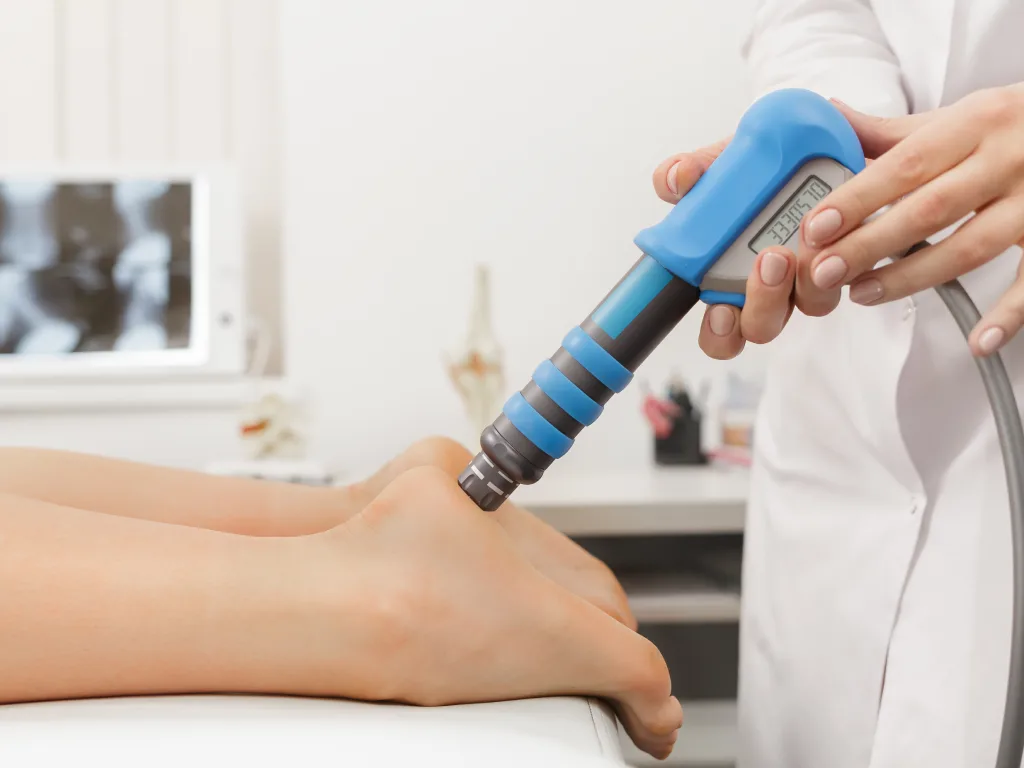
If your pain is stubborn, chronic, or limits your movement, more advanced treatment options may be explored:
- Shockwave therapy to stimulate healing in the fascia
- PRP injections (using your own blood platelets) to repair inflammation
- Custom orthotics for structural support and offloading
- Minimally invasive surgery, in rare cases where tissue damage is more advanced
You may not need all of these, but knowing what’s available can help you feel more prepared.
Guidance for the Road Ahead
One of the biggest frustrations for patients is not knowing what’s safe:
- When is it okay to start running again?
- What if I need to travel next month?
- Should I avoid stairs or certain shoes?
This is where orthopaedic care provides peace of mind. With proper follow-up, your recovery isn’t just about feeling better today, it’s about staying well long-term.
Take Steps Toward Relief Wherever You Are
Heel pain might seem like a small issue until it starts interfering with the things you love: walking your kids to school, enjoying travel, or even just a morning jog.
Whether your flare started during a trip or has been building up for a while, there’s always something you can do and support is available when you're ready.
If you’re unsure what’s causing your heel pain or whether it’s time for a closer look, you can speak to one of our orthopaedic specialists at Island Orthopaedics. A proper assessment can help clarify what’s going on and guide you through the next steps toward recovery.
Related Articles
Hepatitis: Types, Screening and Prevention in Singapore
July 28, 2026
How to Quit Smoking in Singapore
July 24, 2026