

While cancer has traditionally been associated with older adults, recent observations suggest that an increasing number of young adults are also being diagnosed with cancer. Even among younger people and those who stay active, there is growing recognition that cancer risk may not always be fully within one’s control.
Today, colorectal cancer remains one of the most commonly diagnosed cancers in Singapore. This makes colorectal cancer awareness, the importance of early detection and prevention, increasingly relevant for adults of all ages.
Key Takeaways
- Colorectal cancer is one of the most commonly diagnosed cancers in Singapore.
- Early stages may not cause obvious symptoms, making screening important even when you feel well.
- Risk increases with age, family history and certain health and lifestyle factors.
- Regular screening can detect bowel polyps or cancer early, improving treatment outcomes.
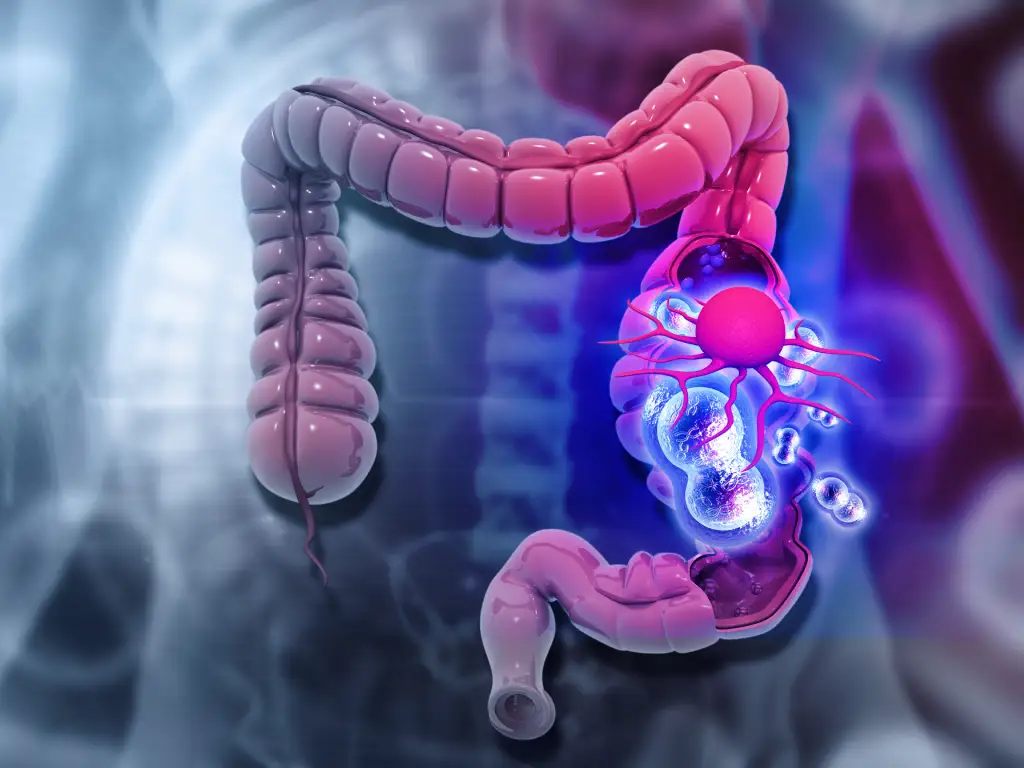
What Is Colorectal Cancer?
Colorectal cancer is cancer that develops in the colon or rectum, which together form the large intestine. It usually begins as small growths called polyps on the inner lining of the bowel. Most polyps are generally harmless at first but can gradually change over time and become cancerous if left undetected. These changes often happen slowly and without obvious symptoms.
Why Colorectal Cancer Matters in Singapore
In a fast paced, urban environment where many people balance multiple commitments, warning signs such as changes in bowel habits or mild abdominal discomfort may not always prompt immediate attention. As a result, colorectal cancer is sometimes diagnosed at a later stage.
Colorectal cancer matters in Singapore because it is common and, when detected later, can require more complex treatment. Regular screening and early assessment therefore play an important role, allowing potential issues to be identified and addressed before they progress.
Risk Factors and Common Symptoms of Colorectal Cancer
Colorectal cancer rarely occurs due to a single cause. Instead, risk tends to build over time, influenced by a combination of age, family history, certain health conditions and lifestyle factors. Understanding these factors can help identify who may benefit most from earlier or regular screening.
Who Is at Higher Risk of Colorectal Cancer?
While colorectal cancer can affect anyone, some people may have a higher likelihood of developing the condition. Key colorectal cancer risk factors include:
- Age
Risk increases with age, particularly from around 50 years onwards. However, colorectal cancer can still occur in younger adults. - Family history
Having a close relative who has had colorectal cancer or bowel polyps increases risk, especially if the diagnosis occurred at a younger age. - Personal history of bowel conditions
Conditions such as colorectal polyps, ulcerative colitis or Crohn’s disease are associated with a higher likelihood of developing colorectal cancer over time. - Dietary patterns
Diets low in fibre and high in processed or red meats have been linked to increased colorectal cancer risk. - Physical inactivity and excess weight
Lack of regular physical activity and being overweight or obese can raise the risk of colorectal cancer. - Smoking and alcohol consumption
Long term smoking and regular alcohol intake are associated with a higher risk of colorectal cancer, among other health conditions.
It is important to note that colorectal cancer can still develop in people without obvious risk factors. This is why awareness of symptoms and appropriate screening play an important role in early detection.
Common Symptoms of Colorectal Cancer

In its early stages, colorectal cancer may cause few or no noticeable symptoms. When symptoms do appear, they are often subtle and can be mistaken for common digestive issues. Paying attention to persistent or unusual changes is therefore important.
Here are some possible symptoms of colorectal cancer:
- Changes in bowel habits
This may include persistent diarrhoea, constipation, or a change in stool consistency or frequency that lasts for several weeks. - Blood in the stool
Blood may appear bright red or darker in colour and may be mixed with stool. In some cases, bleeding is not noticeable. - Abdominal discomfort
Ongoing bloating, cramps, pain or a feeling that the bowel does not empty completely may occur. - Unexplained fatigue or weakness
Slow blood loss from the bowel can lead to iron deficiency, which may cause tiredness, shortness of breath or reduced stamina. - Unintended weight loss
Losing weight without changes in diet or activity may be a warning sign that should be assessed.
It is important to note that these symptoms do not always mean cancer. Many benign conditions can cause similar changes. However, symptoms that persist, worsen or occur together should not be ignored. Seeking medical advice early allows appropriate assessment and, where necessary, timely investigation.
Colorectal Cancer Screening and Early Detection

Screening is not only for people who feel unwell. Many people diagnosed with colorectal cancer feel generally well before screening uncovers an issue. Colorectal cancer screening helps detect bowel polyps or cancer before symptoms appear, particularly for those within certain age groups or with additional risk factors.
Early detection can:
- identify polyps before they become cancerous
- detect cancer at an earlier stage
- reduce the need for more complex treatment
- improve long term outcomes
Common Colorectal Screening Methods in Singapore
Several screening options are available, and the most appropriate method depends on individual risk and medical advice. Discussing colorectal cancer screening options with a doctor allows recommendations to be tailored to individual circumstances, helping ensure that screening is done at the right time and in the most appropriate way.
Common colorectal cancer screening approaches include:
- Stool based tests
Stool based tests are commonly used as an initial screening tool. They check for small amounts of blood in the stool that may not be visible to the naked eye. A positive result does not mean cancer is present, but it indicates that further assessment may be needed to determine the cause of bleeding. - Colonoscopy
Colonoscopy is a screening method that allows doctors to examine the inside of the colon using a flexible camera. It provides a direct view of the bowel lining and allows polyps to be detected. Colonoscopy is often recommended for individuals at higher risk or following an abnormal stool test result.
The choice of screening method depends on factors such as age, personal and family history, and overall health. Discussing screening with a doctor helps ensure that screening is carried out at the right time and in the most appropriate way.
Taking Steps Towards Colorectal Cancer Prevention
Colorectal cancer prevention starts with awareness and timely action. Understanding your risk, recognising changes that persist, and knowing when to consider screening can all play an important role in protecting long term health.
If you have concerns about symptoms, family history or screening, speaking with a doctor can help clarify the next steps that are right for you. Early conversations and appropriate assessment support better outcomes at any stage of adulthood.
Frequently Asked Question
Is colorectal cancer common in Singapore?
Colorectal cancer is common in Singapore due to a combination of population ageing, lifestyle and dietary factors, and improved detection through screening. As Singapore’s population lives longer, age related cancer risk naturally increases. At the same time, factors such as diets lower in fibre and higher in processed or red meats, physical inactivity, obesity, smoking and alcohol consumption are recognised contributors to colorectal cancer risk.
Can colorectal cancer occur without symptoms?
Yes. Colorectal cancer can develop without noticeable symptoms, particularly in its earlier stages. This is why some people feel generally well until screening or medical tests uncover an issue. Regular screening plays an important role in detecting changes before symptoms appear.
What are the early warning signs of colorectal cancer?
Early warning signs may include persistent changes in bowel habits, blood in the stool, ongoing abdominal discomfort, unexplained fatigue, or unintended weight loss. These symptoms can also be caused by other, less serious conditions. However, if they persist or worsen, it is important to seek medical advice.
At what age should colorectal cancer screening start in Singapore?
In Singapore, colorectal cancer screening is generally recommended from around 50 years of age for individuals without symptoms. Those with a family history of colorectal cancer or other risk factors may be advised to start earlier. A doctor can help determine the most appropriate timing based on individual risk.
Who should consider screening earlier than the recommended age?
People with a family history of colorectal cancer, a personal history of bowel polyps, or certain bowel conditions such as ulcerative colitis or Crohn’s disease may be advised to begin screening earlier. A doctor can assess individual risk and recommend a suitable screening plan.
Does having a healthy lifestyle eliminate the risk of colorectal cancer?
No. While a healthy lifestyle may help reduce risk, it does not eliminate it entirely. Colorectal cancer can still develop in people who stay active and eat well. This is why screening and paying attention to persistent symptoms remain important, regardless of lifestyle.
Related Articles

Adult Vaccination Costs in Singapore: Subsidies and MediSave Explained
October 06, 2026
CHAS, Healthier SG and MediSave: What’s the Difference?
September 28, 2026