

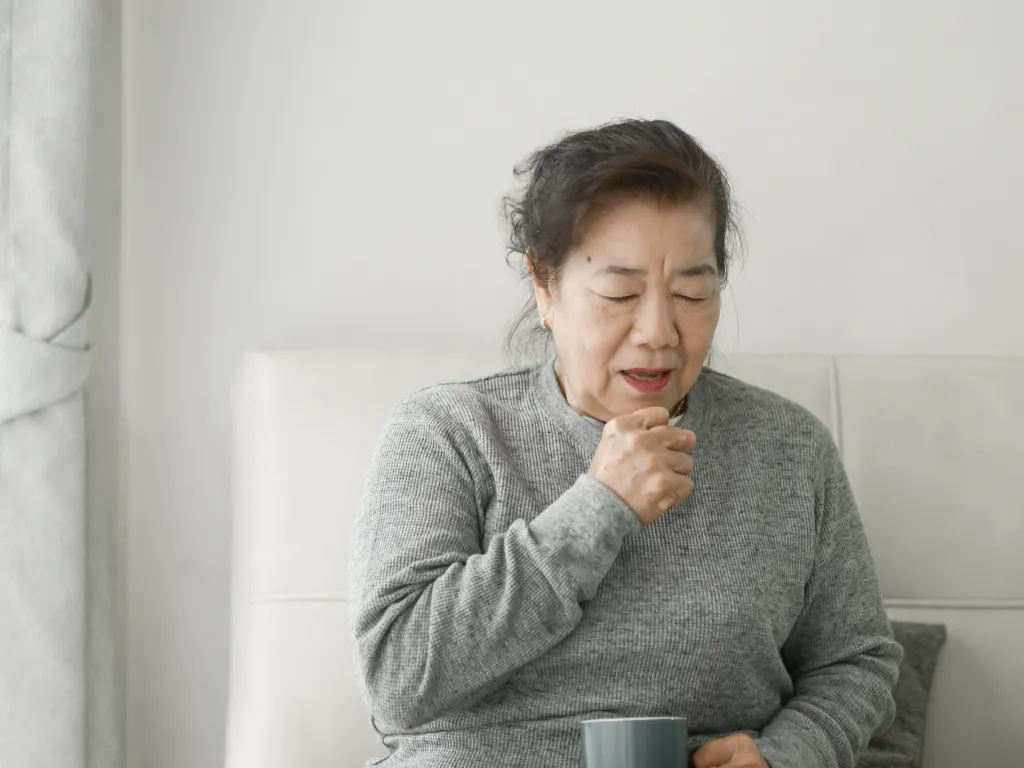
A cough that used to clear in a few days now lingers for weeks. A chest infection leaves you feeling breathless long after the fever is gone. Even a “minor” respiratory infection seems to knock you out more than it used to. Respiratory infections can behave differently as we get older. What once felt like a brief interruption can now leave lingering effects that influence energy levels, breathing, and day-to-day function, long after the acute illness has passed.
To understand why this happens, it helps to examine the gradual changes that occur in the body with age and how they influence recovery from respiratory infections.
Key Takeaways
- As we age, the immune system becomes less efficient at clearing respiratory infections, which is why coughs and chest infections often take longer to fully resolve.
- RSV is a common but often overlooked respiratory virus in adults, and a cause of lingering chest infections rather than short-lived cold symptoms.
- Taking a preventive approach, including RSV vaccination, can help reduce the severity of illness and the risk of prolonged recovery and complications.
When recovery from respiratory symptoms slows with age
Many adults assume a lingering cough is simply part of getting older. However, persistent symptoms are often linked to deeper changes in how the immune system functions with age.
Why are persistent coughs more common with age
As we age, the ageing immune system becomes less efficient, making it harder for the body to clear respiratory viruses effectively, leading to longer recovery times and more persistent symptoms. The infection itself may pass, but inflammation in the airways can linger, leading to weeks of coughing, chest tightness, or ongoing fatigue. This means longer chest infection recovery time, disrupted sleep, and reduced stamina that can linger well beyond the initial illness.
However, slower immune recovery is only part of the picture. Continued exposure to circulating respiratory viruses can further prolong recovery.
Repeated exposure makes recovery harder
Exposure to respiratory viruses does not pause. Work, public transport, family gatherings, and travel all increase contact with circulating viruses. Without enough time for full recovery between infections, each respiratory infection can feel heavier than the last, placing cumulative strain on the lungs.
Among these viruses, RSV has become an increasingly recognised cause of prolonged respiratory illness in older adults.
Understanding RSV in Adults
Age-related changes are also why viruses such as RSV become a more relevant concern for adults in Singapore. RSV commonly affects the airways and is a cause of lingering coughs and chest infections. In older adults, it is more likely to trigger prolonged inflammation and slower recovery, rather than presenting as a short-lived cold.
What the RSV virus does
Respiratory syncytial virus, commonly known as RSV, is a respiratory virus that affects people of all ages. RSV virus in adults can cause lower respiratory tract infections, including bronchitis and pneumonia, rather than just mild cold symptoms.
Why RSV symptoms in adults are often underestimated
RSV symptoms in adults may include persistent cough, wheezing, shortness of breath, chest tightness, and fatigue. Because these symptoms overlap with other respiratory infections, RSV is often overlooked as a cause of prolonged illness.
Why RSV can lead to more severe or prolonged illness
In older adults and those with chronic conditions, RSV places additional strain on the lungs at a time when recovery is already slower. This increases the likelihood of complications, prolonged recovery, and hospital admission, particularly when RSV presents as a chest or lung infection rather than a mild illness.
For many adults, the concern is not just about catching RSV, but how hard it can be to recover from it. This is where prevention becomes increasingly important, especially for older adults who may struggle with prolonged recovery.
If you are concerned about a cough that is not clearing or find that respiratory infections are taking longer to recover from, a conversation with a Healthway Medical GP can help you understand what may be contributing to your symptoms.
What RSV Vaccination Does
RSV vaccination is designed to help protect adults from RSV-related respiratory illness. It does not prevent all infections, but it helps reduce the severity of illness and the risk of complications.
Who should consider RSV vaccination?
RSV vaccination may be considered for
- Adults aged 60 and above
- Adults with chronic heart, lung, or immune-related conditions
- Individuals who experience prolonged recovery from respiratory infections
- Adults who wish to reduce their risk of severe chest or lung infections
How RSV vaccination helps reduce severity and complications
By strengthening the body’s immune response, RSV vaccination helps lower the risk of severe illness and reduces the chance of RSV progressing into a more serious chest or lung infection that may require hospital care.

Taking a preventive approach to respiratory health can help reduce the impact of infections over time. RSV vaccination is available at Healthway Medical clinics, offering an option to help protect against more severe or prolonged respiratory illness.
Frequently Asked Questions
Below are some common questions adults have about RSV and RSV vaccination in Singapore.
Is RSV only a concern for children?
No. RSV affects both children and adults. While it is commonly associated with infants, the RSV virus in adults can cause significant respiratory illness, especially in older adults. In this group, RSV is more likely to lead to chest infections, prolonged recovery, and complications.
What are the symptoms of RSV in adults?
RSV symptoms in adults commonly resemble a typical respiratory infection. Symptoms can include a persistent cough, wheezing, chest tightness, shortness of breath, fatigue, and general weakness. Fever may be mild or absent. In some cases, symptoms can progress to a chest or lung infection.
How is RSV different from flu or pneumonia?
RSV, influenza, and pneumococcal disease are caused by different viruses or bacteria. RSV commonly affects the lower airways and is a recognised cause of chest infection in adults. Influenza is caused by the flu virus, while pneumonia may result from bacterial or viral infections. Protection against one does not replace protection against the others.
Do I need the RSV vaccine in Singapore?
RSV vaccination may be worth considering for older adults or those with chronic conditions, particularly as respiratory infections circulate throughout the year in Singapore, and recovery may become slower with age.
Can RSV vaccination be taken with other adult vaccines
RSV vaccination can usually be planned alongside other adult vaccines, such as influenza or pneumococcal vaccines. However, the timing may vary depending on your overall health and vaccination history. It is best to consult a doctor for personalised advice.
Who should consider taking the RSV Vaccine?
Because RSV can lead to more severe respiratory illness in certain groups, vaccination is particularly relevant for:
- are aged 60 and above
- have chronic heart, lung, or immune-related conditions
- want to reduce the risk of severe or prolonged respiratory illness
- prefer a preventive approach to protecting respiratory health as they age
If respiratory infections are hitting harder or taking longer to recover from, RSV vaccination may form part of your preventive care plan. RSV vaccination is available at Healthway Medical clinics in Singapore.
Related Articles

Adult Vaccination Costs in Singapore: Subsidies and MediSave Explained
October 06, 2026
CHAS, Healthier SG and MediSave: What’s the Difference?
September 28, 2026