
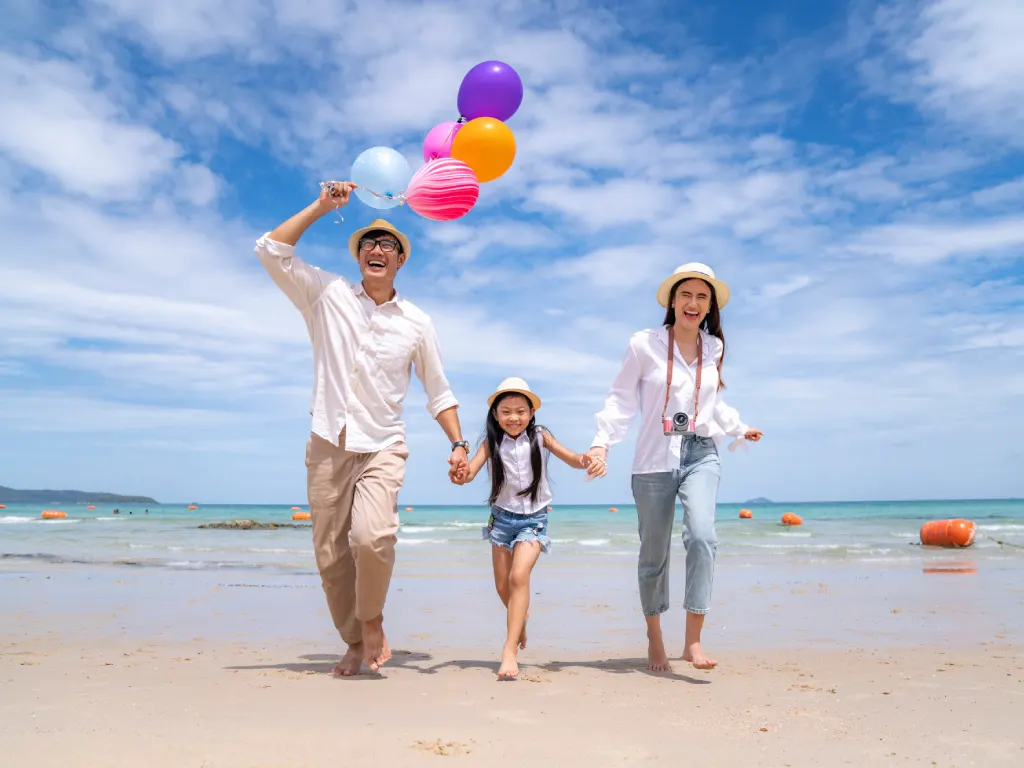
From short getaways to nearby countries or brief overseas visits to see family, many Singaporeans take advantage of school holidays to travel. While flights and accommodation are often planned carefully, travel health preparation is sometimes given less priority, especially for shorter trips.
Travel exposes you to infections that are uncommon in Singapore. Travel vaccination remains one of the most effective ways to reduce preventable health risks while abroad, helping you enjoy your holiday and return home well.
Do travel vaccines matter for short holidays?
Travel vaccination is about destination and exposure, not trip length.
Short school holidays are a popular time for Singaporeans to travel, often for brief, activity filled trips planned around convenience. Because these getaways are short, travel health preparation is often pushed aside.
In reality, infection risk does not depend on trip length. Exposure can begin from the first day, and short trips can be physically demanding, placing additional strain on the immune system.
Common exposure risks on short holidays:
- Crowded flights and ferries
- Public transport and tourist hotspots
- Unfamiliar food and water
- Busy itineraries with little rest
- Mosquito exposure in outdoor, beach, or urban settings, especially in tropical destinations
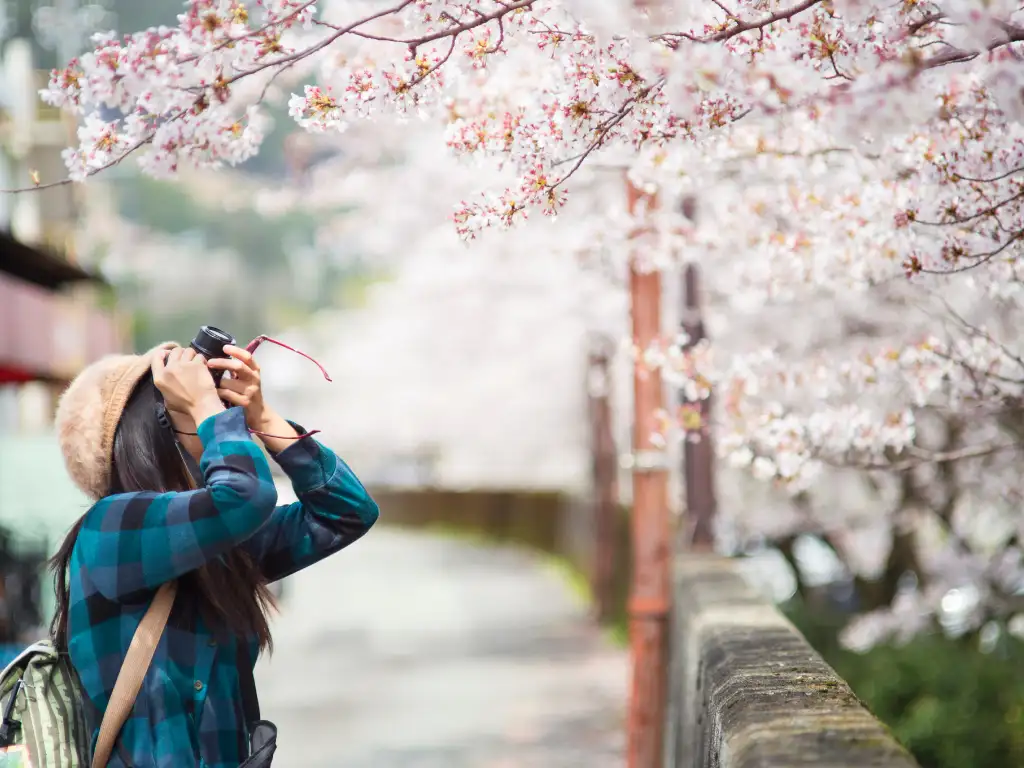
Seasonal and environmental changes can also affect how the body responds to travel. This includes early spring trips such as cherry blossom season in Japan or Korea, beach holidays in Indonesia or Thailand, or short city breaks in destinations like Hanoi or Bangkok. While vaccines do not prevent allergies or environmental reactions, they help reduce the risk of preventable infections as the body adapts to new climates and exposure settings.
Common travel vaccines Singaporeans should consider
The vaccines you need depend on where you are going, how long you are staying, and what activities you plan to do. Healthway Medical GPs can help tailor recommendations, but some commonly considered travel vaccines include:
Influenza
- Travel increases exposure to respiratory viruses through crowded flights, airports, and public transport
- Vaccination helps reduce the risk of illness that can disrupt travel plans or recovery after returning home
Hepatitis A and B
- Hepatitis A spreads through contaminated food and water
- Hepatitis B spreads through blood and bodily fluids
- Risks can exist even on short trips
Typhoid
- Risk is linked to food and water hygiene standards in certain destinations
- May be recommended for travel within parts of South and Southeast Asia
Tdap booster
- Tetanus protection is not lifelong, and many adults are unsure when their last booster was
- A booster may be recommended if the last dose was over 10 years ago, especially for outdoor activities, rural travel, or active itineraries
Meningococcal or Yellow Fever
- Required for entry into certain countries or travel routes, depending on destination
- Proof of vaccination may be needed for immigration clearance or onward travel
- Risk and requirements vary by country, making pre-travel checks important
To see a fuller list of recommendations, refer to our guide on what vaccinations you may need before travelling. Because vaccine needs vary by destination, activities, and vaccination history, planning ahead helps avoid missed protection and last-minute complications.
Planning ahead for a smoother holiday
Travel health planning works best when done early. Travel vaccines take time to become effective, and some require multiple doses or documentation for entry. Seeing a GP four to six weeks before travel allows recommendations to be matched to your destination and activities, without last minute decisions.
A travel health consultation helps to:
- Review your vaccination history
- Identify gaps that may need updating
- Provide destination specific advice
- Arrange required documentation where needed
A short holiday should be spent enjoying the trip, not managing avoidable illness or recovery after returning home. If you are travelling soon, consider scheduling a travel health consultation with a Healthway Medical GP to review your itinerary and vaccination status, so you can travel with greater peace of mind.
Frequently Asked Question
Do I really need travel vaccines for a short holiday?
Yes. Infection risk depends on destination, activities, and exposure, not how long you travel. Even short trips can involve crowded transport, unfamiliar food and water, and close contact in busy tourist areas.
When should I take the flu vaccine before travel?
Ideally, four to six weeks before departure. This allows time for vaccines to take effect, complete any multi dose schedules, and prepare required documentation for entry if needed.
What if I am only travelling to a nearby country?
Nearby destinations and beach holidays can still carry risks, especially through food, water, and environmental exposure. Vaccine recommendations are based on risk factors, not distance from Singapore.
I feel healthy and travel often. Do I still need a travel health review?
Yes. Many adults are unsure when their last boosters were given, and requirements or risks can change over time. A travel health consultation helps identify gaps and ensures your protection remains up to date.
Can travel vaccines be taken close together or alongside routine vaccinations?
In most cases, yes. A Healthway Medical GP can advise on timing, spacing, and suitability based on your medical history, itinerary, and previous vaccinations.
Related Articles
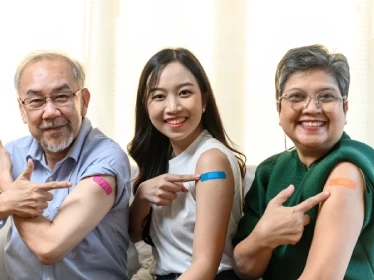
Adult Vaccination Costs in Singapore: Subsidies and MediSave Explained
October 06, 2026
CHAS, Healthier SG and MediSave: What’s the Difference?
September 28, 2026