
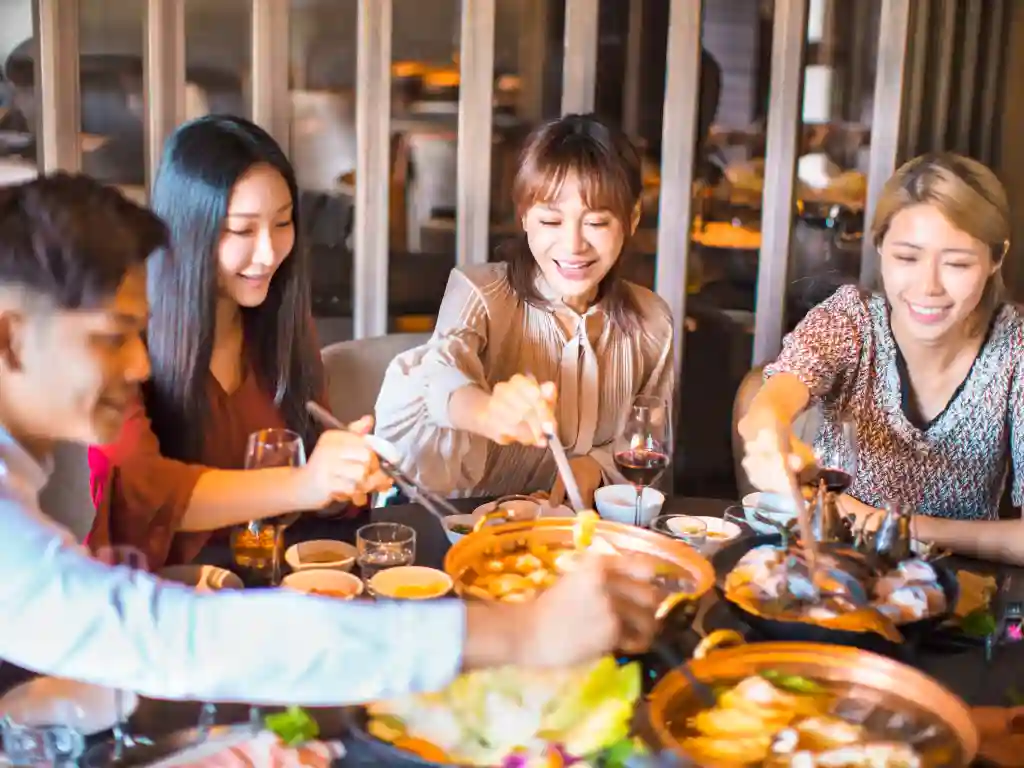
Chinese New Year is one of the most anticipated festive seasons in Singapore. From reunion dinners to house visits, food plays a central role in every celebration. With an abundance of snacks, festive dishes and steamboat meals, it’s natural to wonder which Chinese New Year food choices are healthier and which are best enjoyed in moderation.
There are many myths and facts surrounding festive food choices. While some advice is helpful, other beliefs may be outdated or misunderstood. Understanding what’s really healthy, without overthinking it, allows you to enjoy the festive season with greater ease and confidence.
Common Chinese New Year Food Myths and Facts
During Chinese New Year, many food beliefs are passed around at family gatherings and festive meals. Some are based on experience, while others are more myth than fact. Knowing a few simple myths and facts can help you make better choices without taking away the joy of the Chinese New Year feast.
| Myth | Fact |
|---|---|
| All Chinese New Year food is unhealthy | Not all Chinese New Year food is unhealthy. Many traditional dishes such as steamed fish, vegetable dishes, soups, tofu and home-cooked meals can still be part of a balanced diet when enjoyed in moderation. |
| Small festive snacks do not affect your health | Festive snacks may be small, but many are high in sugar, salt or fat. Eating them repeatedly throughout the day can add up more than expected, even if each portion seems harmless on its own. |
| Foods that give energy are always good for you | Some festive foods are filling and satisfying, but they may also be richer in salt, sugar, or fat than everyday meals. Enjoying these foods occasionally, rather than frequently, helps maintain balance during the festive period. |
| Steamboat is always a healthy option | Steamboat can be a lighter choice, but its healthiness depends on what you add to the pot. Fresh vegetables, seafood, tofu and lean meats support a balanced meal, while processed items and salty dipping sauces can increase sodium. Choosing a clear broth and moderating sauces helps keep steamboat enjoyable and lighter. |
Are Chinese New Year Foods all unhealthy?
A common misconception is that Chinese New Year food is unhealthy by default. In reality, many traditional dishes served during Chinese New Year can still fit into a balanced lifestyle. Steamed fish, vegetables, soups and simple home-cooked dishes are often part of reunion dinners and provide a variety of nutrients.
What usually makes festive eating feel “unhealthy” is not the food itself, but how much and how often it is consumed. Multiple gatherings, frequent snacking and large portions can lead to overindulgence without realising it. Paying attention to portion sizes and balancing richer dishes with lighter options can make festive meals more comfortable and enjoyable.
Do Festive Snacks Contain More Sugar and Fat Than We Think?
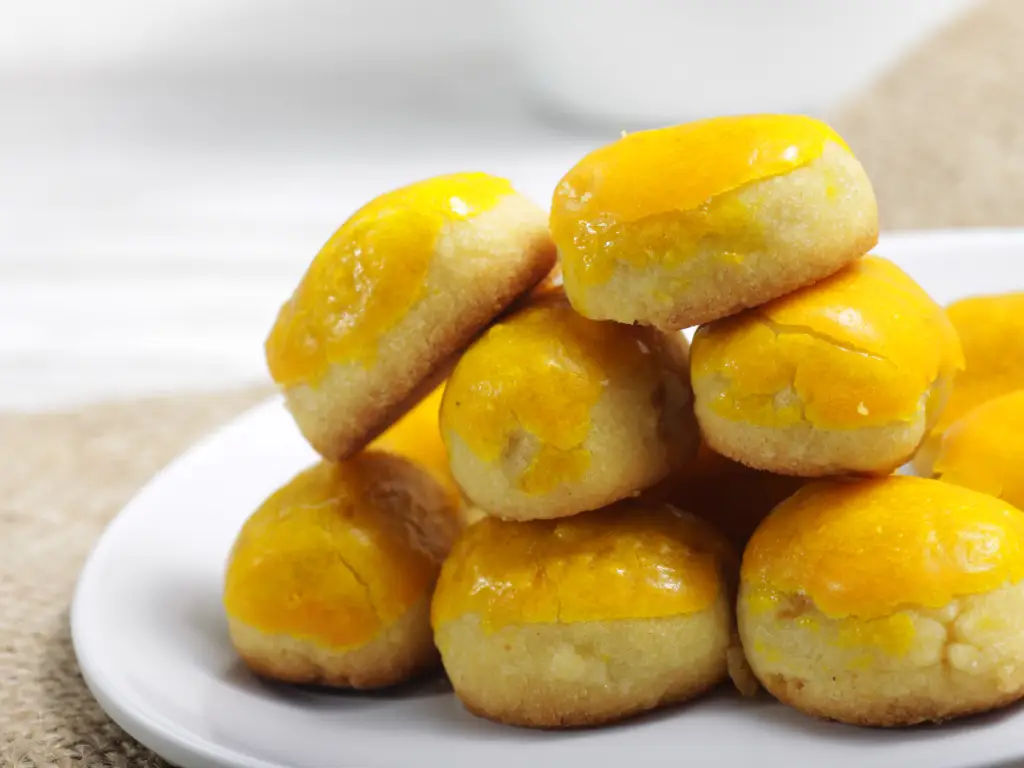
Festive snacks are an important part of Chinese New Year hospitality. While they add to the celebratory atmosphere, many popular treats, such as bak kwa, nian gao, or sweet biscuits, are higher in sugar and fat than they appear. Because they are easy to snack on and often shared throughout the day, it’s common to eat more than intended.
Enjoying snacks in smaller portions, spacing them out, and drinking enough water can help reduce feelings of bloating or sluggishness. Where possible, choosing snacks with the Healthier Choice Symbol may help limit excess sugar and fat intake during Chinese New Year.
Enjoying Cured and Preserved Meats in Moderation
Cured and preserved meats, such as waxed meats and other rich, seasoned cuts, are commonly enjoyed during Chinese New Year. They add flavour and richness to festive dishes and are often served alongside vegetables, soups, or rice.
While these meats are part of tradition, they are usually higher in salt and seasoning. Having them occasionally is part of the celebration, but eating them too frequently may leave you feeling thirsty or uncomfortable. Balancing them with vegetables, soups and lighter dishes helps keep festive meals enjoyable and well-rounded.
What the Healthier Choice Symbol Means for You
The Healthier Choice Symbol, introduced by Singapore’s Health Promotion Board, helps consumers identify products with lower sugar, salt or fat compared to similar items. Many Chinese New Year food products, including snacks and sauces, carry this symbol.
While the symbol is a useful guide, it does not mean the product can be eaten without limits. Portion size still matters, especially during festive periods. Using the Healthier Choice Symbol as a reference supports more mindful food choices during Chinese New Year.
Simple ways to enjoy a balanced Chinese New Year feast
A balanced Chinese New Year feast does not mean avoiding festive favourites. Small, practical habits can make a meaningful difference:
- Eat slowly and stop when you feel comfortably full
- Include vegetables in meals where possible
- Drink enough water throughout the day
- Space out festive snacks instead of continuous grazing
These simple adjustments allow you to enjoy Chinese New Year food while still feeling your best throughout the celebrations.
Enjoy Chinese New Year with Confidence
Chinese New Year is a time for togetherness, tradition and celebration. Understanding Chinese New Year food myths and facts helps you enjoy the festivities without unnecessary worry.
With balanced choices and support from Healthway Medical, you can enjoy your Chinese New Year feast with confidence and peace of mind. If you feel unwell during the festive period or need general health advice, support is available at Healthway Medical’s GP clinics and via our telemedicine app when guidance is needed.
Related Articles

Adult Vaccination Costs in Singapore: Subsidies and MediSave Explained
October 06, 2026
CHAS, Healthier SG and MediSave: What’s the Difference?
September 28, 2026