
When we think about keeping children healthy, we often focus on avoiding illness. However, a child’s immune system is influenced by their daily routines such as how well they sleep, what they eat, and how much time they spend on screens.
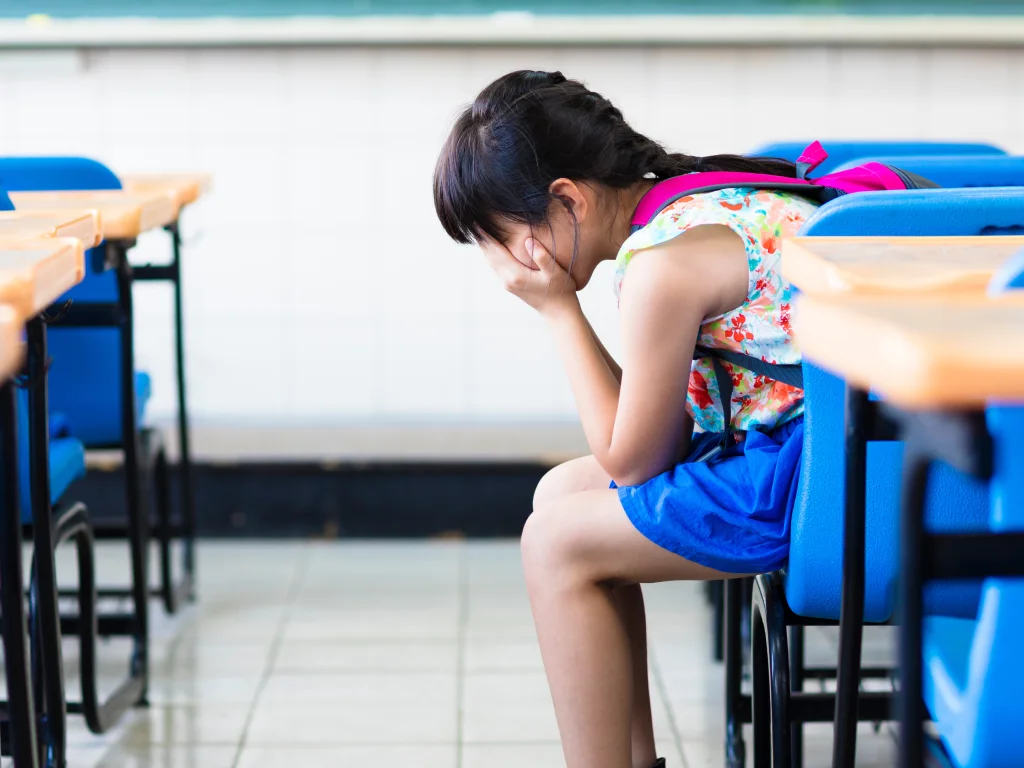
During exam periods, these routines often shift. Later bedtimes, increased screen exposure and rising academic pressure in Singapore can disrupt sleep and elevate stress hormones. For some children, this pressure may also present as exam stress or exam anxiety, which can affect both emotional wellbeing and physical health.
Recognising these patterns gives parents reassurance that small, steady habits can make a real difference.
How Daily Habits Affect Child’s Immunity
A child's immune system depends on consistent sleep, balanced nutrition and regulated stress levels. When these foundations are disrupted, immune cell production, recovery processes and inflammatory balance can be affected. Repeated disruption over time can gradually reduce immune efficiency.
Understanding how build a child’s immune system through daily helps parents support their child’s health in a calm and practical way.
Sleep & Immune Recovery
Sleep is when the body repairs itself and strengthens immune defences. During deep sleep, the body produces immune cells that help fight viruses and bacteria.
When sleep becomes consistently shorter or more disrupted the immune system does not function efficiently. Children may fall sick more easily and may also take longer to recover. Even when total sleep hours seem adequate, poor sleep quality can still weaken immune protection, especially during periods of mental strain like exams.
Protecting sleep consistency is one of the most effective ways to support immune function.
Nutrition & Immune Support
A healthy immune system depends on regular, balanced nutrition. Regular meals provide the vitamins, minerals and protein the immune system relies on. During busy school periods, skipped meals and sugary snacks can slowly reduce this support.
While there is no single “superfood”, consistent intake of nutrient rich meals plays an important role in supporting immunity.
Simple meals that included vegetables, fruits, whole grains and protein are usually sufficient. Foods rich in vitamin C, zinc and iron, such as leafy greens, citrus fruits, eggs, beans and lead meats, help support normal immune function. Consistency matters more than perfection.
Screen Time & Sleep Disruption
Screens big part of studying and relaxation, especially during exam periods. However, too much screen use can affect immunity indirectly.
Evening screen exposure can delay sleep and make it harder for children to wind down. Excessive screen time for children, particularly before bedtime, may suppress melatonin release and delay restorative sleep.
When screen use interferes with sleep and stress regulation, the immune system may become less resilient. Managing screen time for children in the evenings, especially before bedtime, helps protect sleep quality and hormonal balance.
Exam periods are often when mounting academic pressure begins to take a toll on children’s health. This is why many parents begin to notice their children falling sick more often.
Why Children Fall Sick During Exams
Exam periods in Singapore often involve longer study hours, later nights and increased screen exposure. This pattern is common during intense academic periods. As exam stress builds, children may not always verbalise how they feel, and early physical or behavioural changes may appear instead.
- Increased fatigue
- Reduced appetite
- More frequent headaches
- Irritability or difficulty concentrating
When these disruptions accumulate over several weeks, the body has less opportunity to recover, and common infections such as coughs and colds may occur more easily.
How Exam Stress Affects the Immune System
Stress is a normal part of life. In small amounts, it helps children stay focused and motivated.
When a child experiences pressure, the body releases stress hormones such as cortisol. Cortisol helps the body respond to challenges, but when levels stay high for too long, it can interface with immune signalling. This reduces the body’s efficiency in recognising and responding to infections.
Stress also affects systems that support immunity. Sleep quality may decline, appetite may fluctuate and recovery processes slow down. Over time, this combination weakens immune resilience.
Supporting Your Child’s Health During Exam

Supporting a child's immune health during stressful exam periods does not require drastic changes. Small, realistic adjustments can make a meaningful difference.
- Parents can focus on protecting sleep consistency as much as possible, even during revision weeks. A regular bedtime supports both immune recovery and mental focus.
- Maintain regular meals with simple, balanced choices. Home cooked meals do not need to be elaborate to be nourishing.
- Encourage basic hygiene habits such as regular handwashing, especially during school hours.
- Remind children to take short breaks and drink water during study time to reduce fatigue.
- Ensure vaccinations are up to date for age-appropriate protection, especially during periods when immunity may be lower.
- Know when rest is needed and when medical advice should be sought, particularly if illnesses become frequent or recovery seems slower than usual.
Helping children learn how to cope with exam anxiety is equally important. Encouraging realistic expectations, open conversations about fears and regular breaks during revision can reduce prolonged stress responses that affect immunity.
Exam periods place demands on a child’s body as well as their mind. Supporting your child during this time does not mean adding more rules or pressure. Instead, it involves paying attention to rest, nutrition, emotional wellbeing and daily routines.
If your child has been falling sick more frequently during exam periods, or if you are unsure whether their vaccinations are up to date, a visit to a Healthway Medical GP clinic can help assess overall wellbeing. A child health check allows parents to review growth, immunity and preventive care needs in a structured way.
Questions and Answers Session
Are more students in Singapore seeking help for exam stress?
Media reports indicate an increase in students seeking professional support for exam stress and academic pressure in Singapore in recent years.
What is driving the increase in exam stress help seeking among students?
Experts report that much of the stress is now self-driven by students themselves rather than mainly due to parental pressure, indicating greater awareness among young people of their own stress levels.
Is exam stress only about academic performance?
Exam stress in Singapore often overlaps with broader academic pressure in Singapore, including expectations about future school placements, grades and personal goals. This pressure can affect wellbeing beyond the exam period itself.
What can parents do if their child shows signs of exam stress?
Parents can foster open discussion about feelings, encourage healthy routines, support a balanced lifestyle and seek professional help if stress affects daily functioning or wellbeing.
Related Articles

Adult Vaccination Costs in Singapore: Subsidies and MediSave Explained
October 06, 2026
CHAS, Healthier SG and MediSave: What’s the Difference?
September 28, 2026