
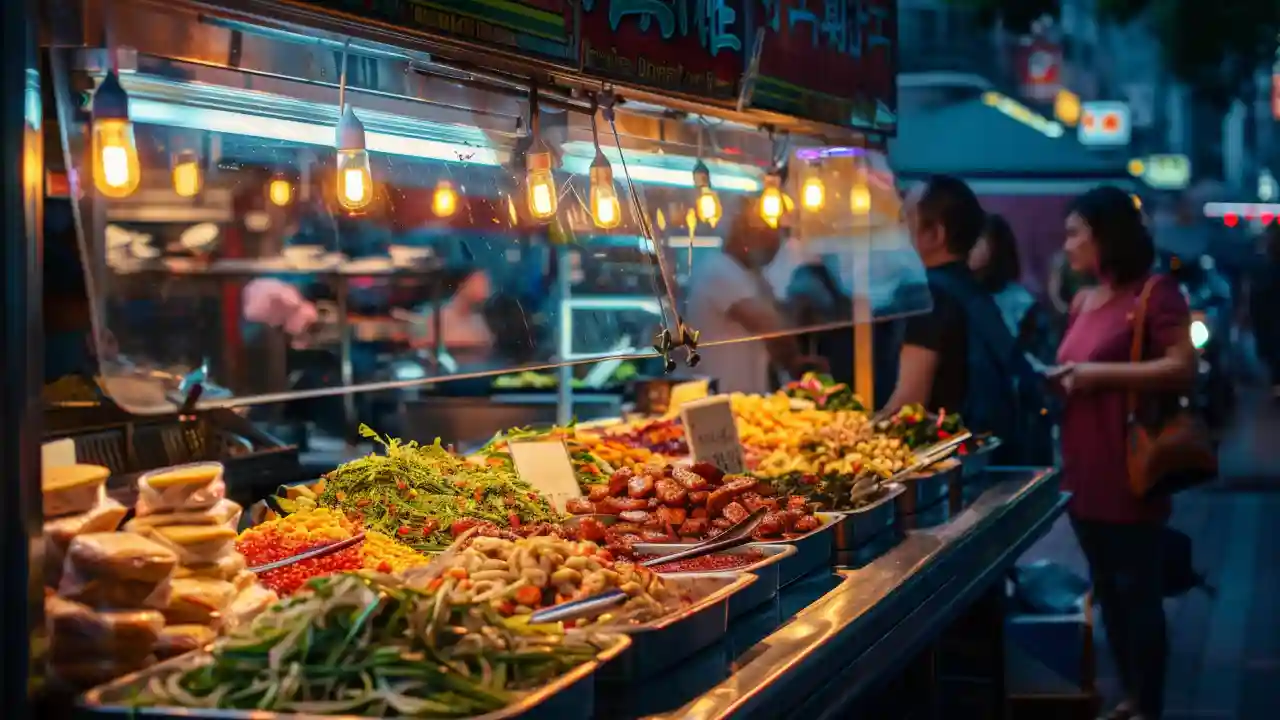
For many people in Singapore, eating at hawker centres and food courts is part of daily life. They offer convenient, affordable meal options that suit busy schedules, and dishes like chicken rice and noodle soup are regular staples for many.
The challenge is that hawker meals can be filling without always being well balanced. Some dishes are heavier on white rice or noodles, lighter on vegetables, and served with sauces or gravies that add more sodium, sugar, or calories than people realise. Over time, this can make it harder to maintain a healthy diet, particularly for those managing weight, cholesterol, or blood sugar levels.
Healthy eating does not mean avoiding hawker food. With a few simple choices, it is still possible to build a more balanced meal when eating out.
What Is a Balanced Meal?
A balanced meal provides the right mix of nutrients your body needs for energy, growth, and overall health.
In Singapore, the Health Promotion Board recommends using the My Health Plate model as a simple way to visualise this. The plate is divided into three main sections.
- Half the plate: vegetables and fruits
- One quarter: protein sources such as fish, chicken, eggs, tofu or beans
- One quarter: whole grains or carbohydrates like rice, noodles, or bread
This balance helps ensure the body receives fibre, vitamins, protein, and energy in appropriate proportions. A balanced meal can also support better blood sugar control, sustained energy throughout the day, and long-term health.
When applied to hawker food, the idea is not to make every meal perfect. It is to make small, realistic choices that bring your usual meals closer to this balance.
Why Hawker Meals Often Feel Filling but Not Balanced
Many hawker meals can feel satisfying and filling, but that does not always mean they are well balanced. These dishes are built around rice or noodles, with vegetables and protein playing a smaller role.
For example:
- Chicken rice often comes with a large portion of rice but only a few slices of cucumber
- Fried noodle dishes may be high in oil and refined carbohydrates
- Noodle soups can contain high sodium content in broth and many processed ingredients
As a result, these meals may become heavily carbohydrate based while providing fewer vegetables and fibre. That does not mean hawker food is unhealthy. It simply means balance often depends on how the meal is put together.
How to Build a Balanced Hawker Meal
Eating healthier at hawker centres often comes down to small decisions you make when ordering. Here are some practical healthy eating tips to help you build a more balanced hawker meal, covering protein, vegetables, carbohydrate portions, and what you drink.
Start with Protein
Protein helps keep you full for longer and supports muscle health. It also helps stabilise blood sugar levels after meals. When eating hawker food in Singapore, look for dishes that include lean protein such as:
- Sliced fish or fish soup
- Poached or roasted chicken
- Tofu or bean-based dishes
- Eggs
- Yong tau foo ingredients
Clear soup dishes with fish or tofu can be a good option as they often contain protein while using less oil compared to deep fried foods.
Add more vegetables
Vegetables provide fibre, vitamins, and minerals that help support digestion and overall health. Fibre also helps you feel full and balances meals that may otherwise be heavy in carbohydrates.
When ordering hawker food, try to:
- Choose dishes that already include vegetables
- Ask for additional vegetables, if available
- Select economy rice dishes with at least two vegetable options
- Add leafy green options like chye sim, kailan or spinach
Increasing vegetable intake is one of the simplest ways to make a hawker meal more balanced.
Manage Carbohydrate portions
Carbohydrates provide energy, but large portions of refined carbohydrates can contribute to excess calorie intake.
Simple ways to practice portion control include:
- Requesting less rice
- Choosing half portions of noodles
- Balancing noodles with more vegetables or protein
- Selecting wholegrain options like brown rice, when available
Many hawker stalls now participate in th Healthier Dining Programme, which promotes wholegrain staples, healthier cooking oils and lower sodium ingredients.
Be Mindful of Sauces and Drinks
Sauces and drinks are often where extra calories and sugar quietly accumulate. Many packaged drinks commonly sold at hawker centres are graded Nutri-Grade C or D, reflecting their higher sugar content. Being mindful of both sauces and drinks is as important as what you put on your plate.
Consider these small adjustments:
- Ask for less gravy or sauce
- Use condiments sparingly
- Choose water, plain tea, or kopi o kosong instead of sweet drinks
These changes may seem small, but they can make a noticeable difference when eating hawker food regularly.
Examples of Balanced Hawker Meals
Healthy hawker food options do not always mean giving up your local favourites. Often, a balanced meal can be created by adjusting portions or adding vegetables.
Here are a few practical balanced meal examples commonly found in Singapore hawker centres.
- Fish soup with vegetables and half portion rice
Fish provides lean protein while vegetables add fibre and nutrients. Reducing the rice portion helps maintain better balance. - Yong tau foo with tofu, vegetables and fewer fried items
Choosing more tofu and vegetables instead of fried ingredients increases protein and fibre while reducing excess oil. - Chicken rice with extra cucumber and less rice
Opt for poached chicken without skin and request a smaller portion of rice. Adding extra cucumbers or vegetables improves the balance of the plate. - Thunder tea rice with more vegetables and less rice
Thunder tea rice naturally contains a variety of vegetables, tofu and nuts, making it one of the more balanced hawker meals when rice portions are moderated.
These small adjustments help bring hawker meals closer to the balanced plate model recommended for healthy eating.
What Your Diet Could Be Doing to Your Health

Over time, eating patterns that are consistently high in sodium, sugar and unhealthy fats may increase the risk of several health conditions, including:
- High blood pressure
- High cholesterol
- Type 2 diabetes
- Weight gain
Many hawker dishes are not inherently unhealthy, but regular large portions, sugary drinks and heavy sauces can gradually affect overall health. Developing awareness of portion sizes, vegetable intake and cooking methods can help people enjoy hawker food while maintaining a healthier diet in Singapore.
Healthy eating does not mean avoiding hawker centres or giving up local food culture. Instead, making small adjustments like adding more vegetables, choosing lean protein, and practising portion control can help create more balanced meals when you are eating out often.
Getting Personalised Advice for Your Health
If you have concerns about your weight, cholesterol levels, blood pressure, or blood sugar, speaking with a GP doctor can help you better understand how your diet may be affecting your health.
A GP can provide personalised guidance on nutrition, lifestyle habits and preventive health screenings to support your long-term wellbeing.
Related Articles

Adult Vaccination Costs in Singapore: Subsidies and MediSave Explained
October 06, 2026
CHAS, Healthier SG and MediSave: What’s the Difference?
September 28, 2026