

Gout affects an estimated 4.1% of adults in Singapore1. It is a common cause of sudden joint pain, especially when uric acid levels build up in the body. For many people, the first sign is sudden, intense pain in the big toe, often developing overnight and severe enough to wake them up.
Gout is treatable, and with the right management, it does not need to define how you live, eat, or move. Recognising the symptoms early and understanding what brings on an attack are the first steps to keeping it under control.
What Is Gout?
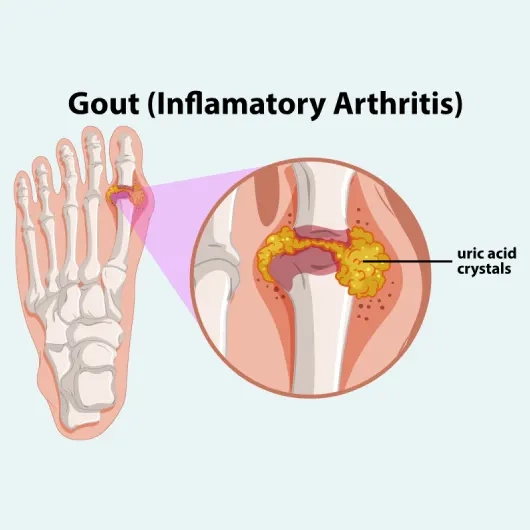
Gout is a form of inflammatory arthritis, which means it causes episodes of joint inflammation, pain and swelling. It happens when uric acid builds up in the blood. When uric acid levels are too high, small crystals can form in and around the joints, causing sudden pain, swelling, and warmth. These episodes are called gout flares or gout attacks.
Between flares, the joint may feel completely normal. However, this does not always mean the gout is gone. Uric acid levels may still remain high, which can lead to future attacks if left untreated. Without treatment, flares can become more frequent, last longer and may lead to joint damage, kidney stones, or uric acid deposits known as tophi.
Symptoms of Gout
Gout symptoms often appear suddenly and can be severe.
Common features include:
- Intense joint pain that comes on quickly, often at night or in the early hours of the morning
- Swelling, redness and warmth around the affected joint
- Tenderness to even light touch, where even a bedsheet brushing against the joint can hurt
- Limited movement in the affected joint
- Pain that peaks within 4 to 12 hours, then gradually eases over the following days
Gout most commonly affects the big toe, but it can also appear in the ankle, knee, foot, wrist, or fingers. The first flare often involves a single joint, and most resolve within a week or two. However, without treatment, attacks tend to return.
Who Is More Likely to Develop Gout?
Gout can affect anyone, but some factors increase the likelihood of developing it:
- Men are more likely to develop gout, partly because they tend to have higher uric acid levels than women before menopause. First attacks often occur between the ages of 30 and 50.
- A family history of gout
- Post-menopause in women, as oestrogen helps the body remove uric acid and gout is less common before menopause
- Excess weight
- A diet high in purine-rich foods or sugary drinks
- Regular consumption of alcohol, especially beer
- Related conditions such as hypertension, diabetes, high cholesterol, or chronic kidney disease
- Certain medications, including some diuretics, sometimes known as water pills
If gout runs in your family or you have other chronic conditions, it is worth speaking to a GP early, particularly if you have had sudden joint pain that is unexplained.
Talk to a Healthway Medical GPHow Gout Is Diagnosed
If you have had one or more episodes of sudden joint pain, your GP will usually start by understanding your symptoms and examining the affected joint. Your doctor will discuss your symptom pattern, dietary habits, family history, and any other chronic conditions you are managing.
Your GP will also examine the affected joint, looking for redness, swelling, warmth and tenderness. If needed, your GP may recommend one or both of the following:
- Blood test for uric acid, which measures how much uric acid is in your blood. Levels are often elevated in people with gout, though they can be normal or even temporarily lower during an acute flare. A single result is rarely diagnostic on its own, but when tracked over time, it helps guide management1.
- Joint fluid analysis, where fluid from the affected joint is examined under a microscope for uric acid crystals. This is the most definitive test for gout but is usually only done where the diagnosis is unclear and may require referral.
For most patients, gout can be managed with GP support, regular reviews, lifestyle guidance and medication adjustments. A referral to a rheumatologist may be considered if the diagnosis is uncertain, flares remain frequent despite treatment, or there are complications such as kidney stones or joint damage.
Managing Gout
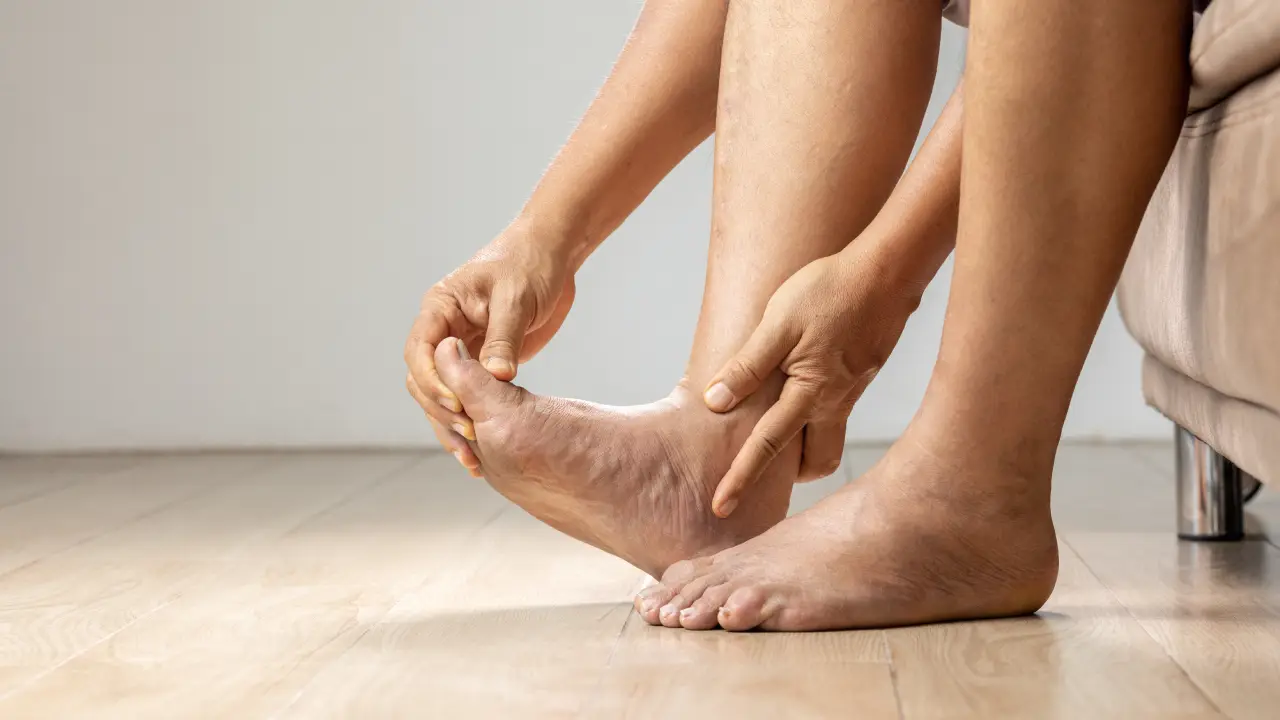
Gout management has two main goals: relieving pain during a flare and lowering uric acid levels over time to reduce the risk of future attacks. Your GP may recommend a combination of medication, lifestyle guidance and regular monitoring, depending on your symptoms and overall health.
For people on long-term treatment, the aim is to keep uric acid levels within the target range advised by your GP. This helps reduce the risk of future flares and long-term complications1.
How Gout Is Managed
Depending on your symptoms and overall health, your care plan may include:
- Medication to manage the pain and inflammation of an acute flare
- Long-term medication to lower uric acid levels, where appropriate
- Guidance on diet, hydration, and alcohol intake
- Regular monitoring of uric acid levels through blood tests
- Reviewing other medications that may contribute to gout, such as certain blood pressure medicines
- Follow-up visits to track how well your gout is controlled1
With suitable treatment and regular review, many people with gout experience fewer and milder flares, and some go years between attacks.
Common Gout Triggers in Singapore
Gout flares can be set off by anything that causes a sudden change in uric acid levels. Common triggers in Singapore include:
- Purine-rich foods, especially red meat, organ meats, certain seafood, anchovy-based broths and rich meat stocks
- Local dishes that may be higher in purines or eaten in larger portions, such as bak kut teh, satay, seafood dishes and ikan bilis-based soups
- Alcohol, particularly beer and spirits
- Sugary drinks and foods high in fructose, such as soft drinks and sweetened bubble tea
- Dehydration, particularly in Singapore’s hot and humid climate
- Crash diets or rapid weight loss, which can cause uric acid levels to change suddenly
- Stress, illness, or recent surgery
- Certain medications, including some diuretics. Speak to your GP if you are unsure whether any of your medications could be contributing.
You do not need to avoid every purine-containing food. The aim is moderation and balance, not strict restriction. Your GP can help you work out what is reasonable for your situation.
When to Seek Medical Attention
Most gout flares can be managed at home with medication prescribed by your GP. However, see a doctor promptly if:
- The pain is severe and not improving after starting your usual treatment
- The joint is hot, swollen, and accompanied by fever or chills, as this can suggest joint infection, which needs urgent attention
- You have symptoms suggesting kidney stones, such as severe pain in your back or side, or blood in your urine
- Flares are happening more frequently than two or three times a year
If you are unsure whether your symptoms are due to gout or another joint condition, a GP can assess your symptoms and advise on the next steps.
Gout Care at Your GP

A GP is a suitable first point of care for gout, whether you are experiencing your first flare, managing recurring attacks, or working to bring your uric acid levels under control.
Your GP can support you by:
- Confirming whether your symptoms are likely gout or something else
- Treating acute flares
- Starting or reviewing long-term urate-lowering medication, where appropriate
- Advising on diet, hydration, and lifestyle adjustments
- Coordinating care if you also have hypertension, diabetes, or high cholesterol, as these conditions often go hand in hand with gout
- Referring you for further assessment if symptoms are difficult to control or if complications develop
Even if your gout feels well-controlled, regular reviews still matter. Uric acid levels can drift up over time, and the goal is not just fewer flares. Regular reviews also give your GP a chance to look at your wider health, especially if you are also managing high blood pressure, diabetes, high cholesterol or kidney disease.
Using MediSave for Gout Care
Gout is one of the conditions covered under Singapore's Chronic Disease Management Programme (CDMP), having been added to the programme in July 2022. Eligible Singapore Citizens and Permanent Residents may use MediSave to offset eligible outpatient gout treatment costs at accredited GP clinics.
From 1 February 2024, patients enrolled in Healthier SG with a CDMP condition may use MediSave to fully pay for treatment at their enrolled clinic, up to prevailing withdrawal limits, with no 15% cash co-payment required2.
All Healthway Medical GP clinics are accredited CDMP providers. If you have gout and are not yet enrolled in Healthier SG, speak to your Healthway GP at your next visit.
Find a Healthway Medical Clinic Near YouFrequently Asked Questions About Gout
There is no permanent cure for gout, but it is very manageable. With consistent treatment to lower uric acid levels and sensible lifestyle adjustments, most people can reduce the frequency and severity of attacks significantly. Many go long stretches without a flare at all.
A flare is usually set off by something that causes a sudden change in uric acid levels, such as a heavy meal of seafood or red meat, alcohol, especially beer, dehydration, illness, or sometimes the start of a new medication. Triggers vary from person to person, and keeping a simple record can help you identify yours.
Yes, though it is much less common in women before menopause. Oestrogen helps the body remove uric acid, so the risk in women rises significantly after menopause. If you are a woman experiencing recurring joint pain, speak to a GP, as gout can still be the cause.
Alcohol, particularly beer and spirits, raises uric acid levels and is a well-known trigger for gout flares. You do not necessarily need to give it up entirely, but cutting back significantly, especially during periods when flares are more frequent, usually makes a real difference. Your GP can help you set sensible limits based on how often you experience flares and your overall health.
Some hawker dishes can be higher in purines, especially those with red meat, organ meats, seafood, anchovy-based broths or rich meat stocks. Rather than avoiding all local foods, it may help to reduce portion sizes, eat these dishes less often, stay hydrated, and notice which meals tend to trigger your flares.
Gout typically comes on suddenly and intensely, often affecting just one joint, with marked redness, warmth and swelling. Other forms of arthritis may develop more gradually or affect multiple joints. If you are unsure, a GP can assess the pattern of pain, examine the joint and arrange blood tests where needed. In unclear cases, further tests such as joint fluid analysis or referral may be needed.
Yes. Long-term elevated uric acid levels can increase the risk of uric acid kidney stones. Gout is also commonly associated with chronic kidney disease, which is why kidney function and uric acid levels may need regular monitoring. Managing gout well protects more than just your joints.
References
- Primary Care Pages SG. Gout Care Protocol. Healthier SG Care Protocols, Agency for Integrated Care, Singapore. Available at: https://www.primarycarepages.sg/healthier-sg/care-protocols/chronic-care-protocols/gout
- Ministry of Health Singapore. Healthier SG Chronic Tier Subsidy Framework to Start from 1 February 2024. Available at: https://www.moh.gov.sg/newsroom/healthier-sg-chronic-tier-subsidy-framework-to-start-from-1-february-2024/