
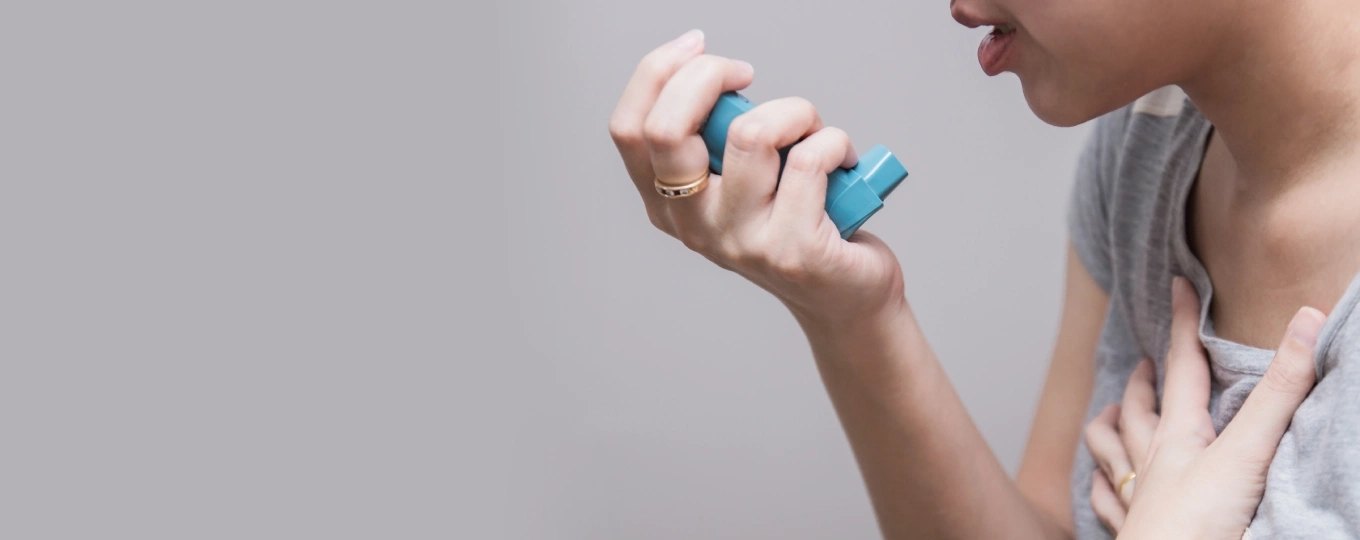
Asthma affects about one in five children and one in 20 adults in Singapore1. For some people, symptoms only appear during exercise, a respiratory infection or exposure to triggers such as dust or haze. For others, asthma may affect sleep, daily activities and quality of life. No matter how asthma shows up for you, recognising the symptoms and knowing when to seek care are important first steps in managing it well.
What Is Asthma?
Asthma is a long-term condition that causes the airways in the lungs to become inflamed and more sensitive than usual. When triggered by factors such as dust, haze, cold air, or viral infections, the airways can tighten, swell, and produce more mucus, making it harder to breathe.
Symptoms may come and go, ranging from occasional discomfort to more severe asthma attacks. Even when symptoms are not present, regular management can help reduce flare ups and support better long-term control.
Symptoms of Asthma
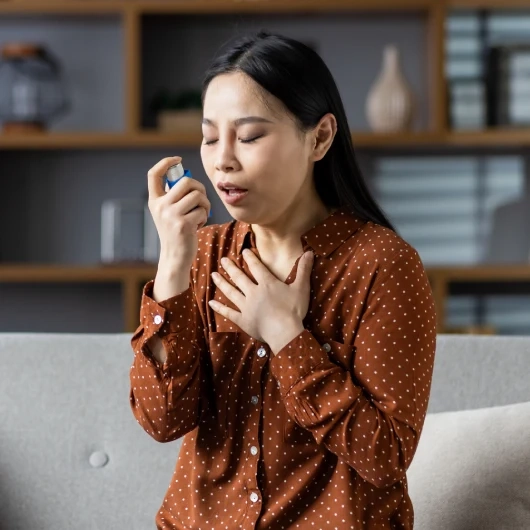
Asthma symptoms can range from mild and occasional to persistent and disruptive. Common symptoms include:
- Wheezing: a whistling or squeaky sound when breathing, particularly on exhalation
- Shortness of breath: especially during physical activity or at night
- Chest tightness: a sensation of pressure or squeezing across the chest
- Coughing: often worse at night or in the early morning; in some people, this may be the only symptom
Some people only notice symptoms in specific situations, such as during exercise, cold weather, a respiratory infection, or after exposure to a known allergen, while others experience them more regularly throughout the day or night.
Who is More Likely to Develop Asthma?
Asthma can affect people of any age, but some people may be more likely to develop it. Factors that may increase susceptibility include:
- A family history of asthma
- A personal or family history of allergic conditions, such as eczema or allergic rhinitis
- Exposure to cigarette smoke, particularly during childhood
- Respiratory infections during childhood
Having one or more risk factors does not mean you will develop asthma. If you or your child notice any of the symptoms above on a recurring basis, it is worth speaking to a GP.
Talk to a Healthway Medical GPHow Asthma Is Diagnosed
A GP visit is a good starting point if you or your child has persistent or recurring symptoms. Your doctor will discuss your symptom pattern, known triggers, and family history of atopic conditions to determine whether asthma is likely. Where needed, they may use one or both of the following:
- Spirometry: you breathe forcefully into a device that measures how much air you can exhale and how quickly, assessing airflow obstruction2. If lung function testing is needed to support your diagnosis, your GP can advise on the appropriate next steps or referral options.
- Peak flow monitoring: a simple handheld device that measures how fast you can exhale air, useful for both diagnosis and ongoing monitoring at home2.
Many people with asthma can be supported by their GP through regular review and treatment adjustments. A referral to a respiratory physician or paediatrician may be considered if the diagnosis is uncertain, symptoms remain difficult to control, or asthma attacks are severe or frequent.
Managing Asthma
Asthma management focuses on keeping symptoms under control, reducing flare-ups and helping you continue with everyday activities comfortably. Because asthma can change over time, your treatment plan may need to be reviewed as your symptoms or lifestyle changes.
How Asthma Is Managed
Depending on your symptoms and medical assessment, your care plan may include:
- Medication to help control airway inflammation and relieve symptoms
- Guidance on how and when to use prescribed inhalers, where appropriate
- A review of your inhaler technique, so the medication reaches your lungs properly
- A written asthma action plan, so you know what to do if symptoms worsen
- Follow-up visits to review whether your asthma is well-controlled2
With suitable treatment and regular review, many people with asthma can continue working, studying, exercising and taking part in their usual activities.
Common Asthma Triggers in Singapore
Asthma symptoms may be brought on or worsened by different triggers. In Singapore, common triggers may include:
- House dust mites, which thrive in warm and humid environments
- Haze and air pollution - learn how haze affects your health in Singapore
- Respiratory infections, such as colds and flu
- Tobacco smoke and second-hand smoke
- Exercise or exposure to cool, dry air in some people
Paying attention to when symptoms happen can help your GP advise on practical adjustments alongside your asthma treatment plan.
When to Seek Urgent Medical Attention
Seek emergency care immediately if you or your child:
- Has severe difficulty breathing
- Cannot speak in full sentences because of breathlessness
- Develops bluish lips or fingertips
- Becomes unusually drowsy or exhausted
- Does not improve after using prescribed reliever medication according to the asthma action plan
- Has symptoms that are worsening quickly
In an emergency, call 995 for an ambulance.
Asthma Care at Your GP

A GP is a suitable first point of care if you or your child has recurring asthma symptoms, needs help managing existing asthma, or is unsure whether treatment is working well enough.
Your GP can support you with:
- Assessing recurring symptoms and possible triggers
- Reviewing your current asthma control and medication needs
- Checking inhaler technique
- Helping you understand what to do during a flare up
- Advising on preventive care, including recommended vaccinations where appropriate
- Referring you for further assessment if symptoms are difficult to control or the diagnosis is unclear
Asthma may need review even when symptoms seem mild. Speak to your GP if you are relying on your reliever inhaler more often, waking at night because of symptoms, avoiding exercise, or experiencing repeated asthma attacks.
Using MediSave for Asthma Care
Asthma is covered under Singapore's Chronic Disease Management Programme, also known as CDMP. Eligible Singapore Citizens and Permanent Residents may use MediSave to offset eligible outpatient asthma treatment costs.
From 1 February 2024, Singapore Citizens and Permanent Residents receiving treatment for a CDMP condition from their enrolled Healthier SG primary care physician may use MediSave to fully pay their bill, up to prevailing withdrawal limits, without the 15% cash copayment3.
All Healthway Medical GP clinics are accredited CDMP providers.
Find a Healthway Medical Clinic Near YouFrequently Asked Questions About Asthma
There is currently no cure for asthma. However, with suitable treatment and regular review, many people can achieve good symptom control and continue with their usual activities2.
Yes. This is sometimes called adult-onset asthma, triggered by new occupational exposures, hormonal changes, respiratory infections, or stress. If recurring asthma symptoms appear in adulthood, speak to a GP for an assessment.
According to HealthHub, up to half of children with asthma may be attack free during their teenage years, while only around 5% continue to have asthma in adulthood4. However, symptoms can return later in life, so it is still important to understand your child's triggers and follow their doctor's advice.
Foods such as cold drinks, ice cream, and chocolates are generally not asthma triggers4. True food-triggered asthma is uncommon and is usually linked to food allergies rather than temperature. If certain foods repeatedly seem to bring on symptoms, speak to your GP.
Yes. With well controlled asthma, most people can continue exercising and staying active4. If exercise regularly causes symptoms, speak to your GP about reviewing your management plan.
Asthma and bronchitis can both cause coughing, wheezing, and breathlessness, which is why they are sometimes confused. Asthma is a long-term condition where the airways are persistently inflamed and react to triggers. Acute bronchitis is usually a short-term infection that causes the airway lining to swell, while chronic bronchitis is a long-term condition more common in smokers. If you are unsure which is causing your symptoms, a GP assessment is the right next step.
References
- Lim LHM, Chen W, Amegadzie JE, Lim HF. The increasing burden of asthma acute care in Singapore: an update on 15 year population level evidence. BMC Pulmonary Medicine. 2023;23:502. https://link.springer.com/article/10.1186/s12890-023-02797-7
- Primary Care Pages. Asthma. Healthier SG Care Protocols. Agency for Integrated Care, Singapore. https://www.primarycarepages.sg/healthier-sg/care-protocols/chronic-care-protocols/asthma
- Ministry of Health Singapore. Outpatient Care. MediSave. https://www.moh.gov.sg/managing-expenses/schemes-and-subsidies/medisave/outpatient-care/
- HealthHub Singapore. Asthma (Common Childhood Illnesses). Last reviewed 22 April 2024. https://www.healthhub.sg/health-conditions/common-childhood-illnesses-asthma