
Last updated: 12 October 2026
Haze episodes in Singapore are often linked to regional forest and peatland fires.
This year, satellite-detected hotspots of activity in parts of Sumatra and Kalimantan have seen air quality levels across Singapore hit unhealthy levels (24-Hour PSI of between 101 – 200) in September and threaten to worsen. GP clinics have also noted a growing number of consultations for respiratory conditions.
While haze may seem like a seasonal inconvenience, the fine particles in haze can affect eyes, lungs, and overall well-being, particularly for children, older adults, and individuals with existing health conditions.
Knowing what to look out for and when to act can make a real difference in protecting yourself and your family.
Key Takeaways
- Haze contains fine particles called PM2.5 that can penetrate deep into the lungs and enter the bloodstream, even at moderate PSI levels.
- Haze can affect more than just the lungs; eyes and skin can also be irritated during haze episodes.
- Children, the elderly, pregnant women and those with asthma or heart disease are most vulnerable.
- Symptoms like persistent coughing, chest tightness and wheezing may indicate the need to see a doctor.
- Monitor PSI levels daily via the NEA website or myENV app and adjust your activities accordingly.
What is Haze?
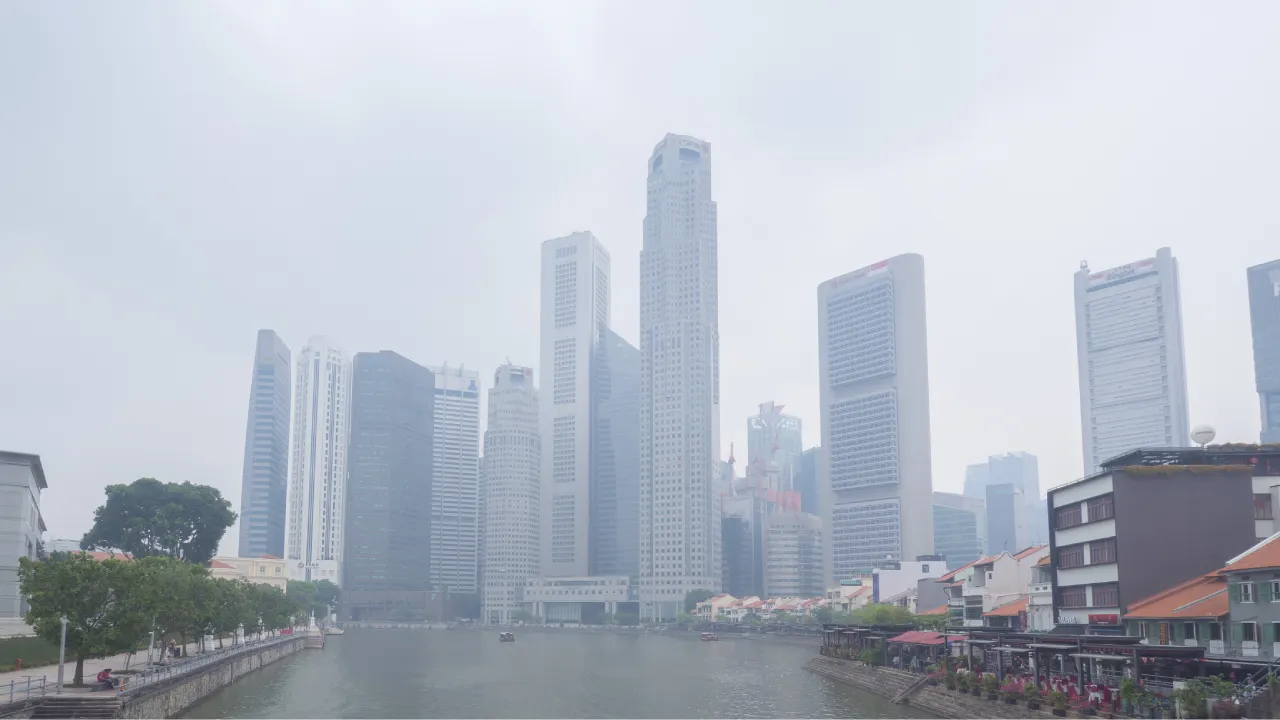
Haze refers to air pollution caused by tiny airborne particles that reduce visibility and affect air quality. In Southeast Asia, haze is commonly associated with transboundary smoke from regional forest and peatland fires.
Depending on wind patterns, these particles can travel across borders and affect air quality in neighbouring countries. When concentrations increase, people may notice reduced visibility, a smoky smell, or irritation in the eyes and throat.
While haze episodes can vary in severity, the main concern is exposure to very small particles that can affect the respiratory system.
Understanding air quality levels in Singapore
Air quality in Singapore is measured using the Pollutant Standards Index (PSI). The PSI reflects the concentration of pollutants in the air, including fine particles, and helps you understand current air quality conditions.
What is PM2.5?
PM2.5 refers to extremely fine particles measuring 2.5 micrometres or smaller. During haze episodes, PM2.5 levels may increase because smoke particles from fires contribute to increased air pollution in the region.
Because these particles are extremely small, they can be inhaled deep into the lungs, where they may trigger irritation and inflammation of the airway lining.
What do PSI levels mean in Singapore?
PSI levels provide a general guide to air quality and potential health impact.
| PSI Level | Air Quality | What this means for daily activities |
|---|---|---|
| 0 to 50 | Good | Outdoor activities are generally safe for most people. |
| 51 to 100 | Moderate | Most people can continue normal activities. Sensitive individuals should monitor symptoms. |
| 101 to 200 | Unhealthy | Reduce prolonged or strenuous outdoor activity. Vulnerable groups may wish to limit outdoor exposure. |
| 201 to 300 | Very Unhealthy | Avoid prolonged or strenuous outdoor activity. Vulnerable groups may wish to minimise or avoid all outdoor exposure. Consider wearing an N95 mask if outdoors. |
| Above 300 | Hazardous | Minimise or avoid outdoor activity and stay indoors where possible. |
The table above reflects the 24-hour PSI, which is commonly used to guide daily activities. For more immediate decisions about outdoor exposure, the 1-hour PM2.5 reading may better reflect current air quality conditions.
Source: National Environment Agency
In general, most people can continue normal activities when PSI levels are moderate. However, individuals with asthma, young children, older adults and pregnant women may wish to reduce prolonged outdoor exposure as PSI levels rise. Monitoring PSI levels in Singapore through the NEA website or the myENV mobile app can help you make informed decisions about daily activities during haze periods.
Common Health Effects of Haze
How haze affects you depends on several factors, including your level of exposure, how long you spend outdoors, and whether you have an existing health condition.
Common Haze-Related Symptoms
Haze may cause mild irritation for some, while others experience more noticeable symptoms. Most symptoms improve once air quality returns to normal. However, prolonged exposure to polluted air may place additional strain on the respiratory system.
| Exposure Type | Common Symptoms |
|---|---|
| Short-term exposure |
|
| Prolonged or repeated exposure |
|
| Sensitive individuals |
|
Respiratory Effects During Haze
During haze periods, the air contains higher levels of very fine particles such as PM2.5. Fine particles can irritate and inflame the airway lining, making the airways more sensitive and affecting how easily air flows in and out of the lungs. For some, this may lead to breathing discomfort or reduced tolerance for physical activity.
Individuals with asthma or chronic lung disease may be more affected during haze episodes, as airway irritation can trigger worsening symptoms or flare-ups.
Eyes & Skin Irritation Due to Haze
Fine particles in haze can also irritate the delicate surfaces of the eyes and skin. When these particles mix with moisture on the eyes or natural oils on the skin, they can disrupt the protective barrier that normally helps keep these tissues comfortable.
During haze periods, this disruption can make the eyes and skin more sensitive to environmental exposure, particularly after spending extended time outdoors.
Common symptoms include:
- Red, itchy or watery eyes
- A gritty sensation in the eyes
- Dryness or tightness of the skin
- Flare-ups of eczema or existing skin conditions
- Increased skin sensitivity after time outdoors
Lubricating eye drops can help relieve eye discomfort. Those with eczema or sensitive skin should keep prescribed topical treatments on hand during haze season.
Who is most vulnerable during haze episodes?
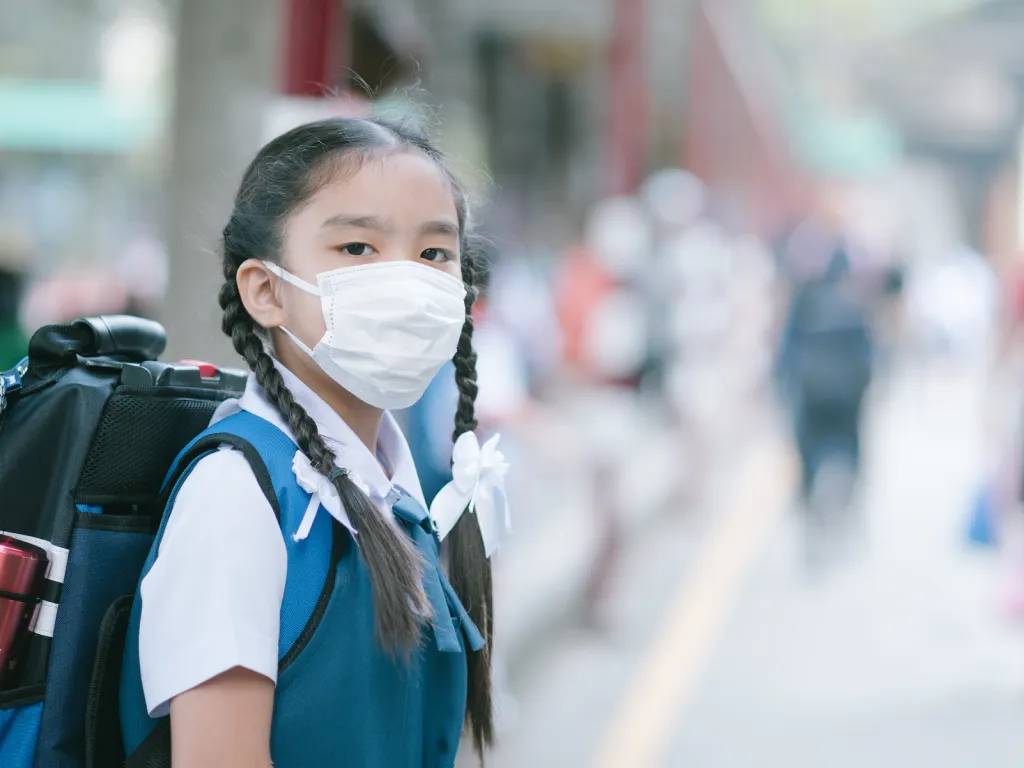
While haze can affect anyone, some individuals may be more sensitive to air pollution and haze particles.
Young children
Children’s lungs are still developing. They also tend to breathe faster than adults, which means they may inhale more polluted air relative to their body size. During haze episodes, children may be more likely to develop symptoms such as coughing, throat irritation or breathing discomfort.
Older adults
Older adults are more likely to have underlying conditions such as heart disease or chronic lung disease. As lung capacity and immune function naturally decline with age, they are less able to compensate when airways become irritated by haze particles.
Individuals with asthma or chronic lung disease
People with asthma, chronic obstructive pulmonary disease (COPD) or other respiratory conditions already have inflamed or sensitive airways. During haze episodes, additional irritation from PM2.5 can more easily trigger flare-ups, wheezing or shortness of breath.
Pregnant women
During pregnancy, the body's respiratory system works harder to supply oxygen to both mother and baby. Prolonged exposure to haze particles may place additional strain on this process, which is why limiting outdoor activity during poor air quality periods is advisable.
If you or someone in your family falls into one of these groups, taking early precautions during haze season can help reduce your risk of symptoms.
Protecting Yourself During Haze
“I know haze season can feel unsettling, especially for patients who are already managing respiratory conditions. What I remind them is that, with the right precautions, most people get through haze periods without significant problems. Simple steps to reduce exposure can make a meaningful difference.”
— Dr Weng Chao, Family Physician, Healthway Medical
In a deteriorating haze situation, this Ministry of Health Advisory details the level of precaution to take during daily routines.
| 24-Hour PSI Descriptor | Healthy Individuals | Seniors, Pregnant Women, Children | Persons with chronic lung disease, heart disease |
|---|---|---|---|
| 0 - 50 Good | Normal Activities | Normal Activities | Normal Activities |
| 51 - 100 Moderate | Normal Activities | Normal Activities | Normal Activities |
| 101 - 200 Unhealthy | Reduce prolonged or strenuous outdoor physical exertion | Minimise prolonged or strenuous outdoor physical exertion | Avoid prolonged or strenuous outdoor physical exertion |
| 201 - 300 Very Unhealthy | Avoid prolonged or strenuous outdoor physical exertion | Minimise outdoor activity | Avoid outdoor activity |
| > 300 Hazardous | Minimise outdoor activity | Avoid outdoor activity | Avoid outdoor activity |
Note: Prolonged - continuous exposure for several hours; Strenuous - involving a lot of energy or effort; Reduce - do less;
Minimise - do as little as possible; Avoid - do not do
During haze episodes, a few practical adjustments to your daily routine can help reduce exposure to fine particles and protect your respiratory health.
Outdoor precautions during haze
During haze, simple outdoor precautions can help reduce your exposure to fine particles:
- Limiting prolonged outdoor activities when haze levels increase
- Avoiding strenuous outdoor exercise when PSI reaches unhealthy levels
- Wearing a properly fitted N95 mask if you need to be outdoors for extended periods
- Monitoring PSI updates through the NEA website or myENV mobile app
Indoor air protection
When you are back indoors, keeping your indoor air clean is just as important. Here are some simple steps to help maintain better indoor air quality during a haze period:
- Keep windows and doors closed when PSI levels rise, particularly during afternoon hours when outdoor air quality tends to worsen
- Run an air purifier with a HEPA filter in bedrooms and living areas — HEPA filters are effective at capturing PM2.5 particles
- Avoid indoor cooking methods that generate smoke, such as frying or grilling, during haze periods, as these compound indoor air pollution
- Do not dry laundry outdoors. Haze particles can settle on clothing and fabrics
- Check and replace aircon filters more frequently during haze season, as filters accumulate particles faster
Managing asthma or chronic conditions during haze
Individuals with asthma or other respiratory conditions should monitor their symptoms more closely during haze periods. Air pollution can irritate the airways and trigger flare-ups or worsen existing respiratory symptoms.
Helpful precautions include:
- Continue prescribed medications as directed
- Keeping reliever inhalers easily accessible
- Monitoring symptoms more closely when haze levels rise
- Reducing strenuous outdoor activity when air quality worsens
- Seeking medical advice if symptoms become more frequent or severe
Taking preventive steps early can help avoid worsening respiratory symptoms.
Haze-Related Symptoms You Should Not Ignore
Mild irritation can occur during haze, but persistent or worsening symptoms should not be ignored. You should consider seeing a doctor if you experience:
- Persistent coughing that does not improve
- Wheezing or difficulty breathing
- Chest tightness or discomfort
- Worsening asthma symptoms despite medication
- Unusual fatigue or breathlessness during normal activities
Children, older adults and individuals with asthma or chronic lung disease should seek medical review earlier if symptoms appear, as they may be more sensitive to changes in air quality.
Haze Subsidy Scheme
As of 12 October 2026, the Ministry of Health has activated both the Public Health Preparedness Clinic (PHPC) Scheme and the Haze Subsidy Scheme (HSS) to care for Singaporeans with haze-related medical needs.
As all Healthway Medical GP clinics are PHPC clinics, eligible patients will only pay a capped flat rate of either $0, $5, or $10 when they see a doctor for haze-related concerns. The conditions covered under the HSS include allergic rhinitis, asthma, bronchitis, conjunctivitis, chronic obstructive pulmonary disease, upper respiratory-tract infection, and their complications.
The groups of Singapore Citizens eligible for HSS at PHPCs include:
- Children (aged 18 and below), and elderly (aged 65 and above); or
- Individuals who are supported on any of the following schemes:
- Public Assistance (PA);
- Pioneer Generation (PG);
- Merdeka Generation (MG);
- Community Health Assist Scheme
(CHAS Blue and Orange cardholders only) - Medical Fee Exemption Card (MFEC)
Haze affects everyone differently. If you or your child feels unwell during a period of haze, it is worth speaking with our GP at Healthway Medical.
Frequently Asked Question
Do I need to wear an N95 mask during haze?
N95 masks are generally recommended when PSI levels exceed 300 and prolonged outdoor exposure is unavoidable. For short periods outdoors when PSI levels are moderate, most healthy individuals may not need a mask. However, people with chronic lung or heart diseases, elderly, and pregnant women may consider wearing one even at lower PSI levels (e.g. 200) if they are outdoors for longer periods.
Is it safe to exercise indoors during haze?
Indoor exercise is generally safe during haze and is preferable to outdoor exercise when PSI levels are elevated. However, the effectiveness depends on indoor air quality. Exercising in well-ventilated spaces or environments with air filtration, such as a HEPA air purifier, can further reduce exposure to haze particles.
My child has asthma. When should I bring them to see a doctor?
Children with asthma should see a doctor promptly if symptoms are not settling with their usual reliever inhaler. Seek medical advice if your child develops persistent coughing, wheezing, shortness of breath, or difficulty speaking in full sentences. Early medical review can help manage symptoms and prevent worsening asthma attacks.
Can haze affect the skin and eyes, not just the lungs?
Yes, haze can affect the eyes and skin, not just the lungs. Fine particles in haze can irritate sensitive tissues, causing eye discomfort, dryness, redness or a gritty sensation. Some individuals may also experience skin dryness or eczema flare-ups, particularly after prolonged outdoor exposure during haze periods.
How long does haze season usually last in Singapore?
Haze episodes in Singapore can occur at various times throughout the year, though they are more common between May and October during the dry season. Early onset episodes, as seen in early 2026, can also occur when regional burning activity begins ahead of schedule. The duration of individual haze episodes can vary depending on rainfall patterns, wind direction and fire activity in the region.
Is haze dangerous if PSI is below 100?
PSI levels below 100 are generally considered moderate and safe for most healthy individuals. However, children, older adults, pregnant women, and those with asthma, chronic lung disease or other respiratory conditions may still experience mild irritation and should monitor their symptoms even at moderate PSI levels.
What PSI level is considered unhealthy in Singapore?
A PSI reading of 101 and above is considered unhealthy in Singapore. At this level, the public is advised to reduce prolonged outdoor activities, and vulnerable groups such as children, older adults and individuals with respiratory conditions should limit outdoor exposure where possible.
What is the Haze Subsidy Scheme?
The Public Health Preparedness Clinic (PHPC) Scheme and the Haze Subsidy Scheme (HSS) is a Ministry of Health initiative to care for Singaporens with haze-related medical needs.
As all Healthway Medical GP clinics are PHPC clinics, eligible patients will only pay a capped flat rate of either $0, $5, or $10 when they see a doctor for haze-related concerns.
The conditions covered under the HSS include allergic rhinitis, asthma, bronchitis, conjunctivitis, chronic obstructive pulmonary disease, upper respiratory-tract infection, and their complications.
Are Healthway Medical GP Clinics part of PHPC?
Yes, all Healthway Medical clinics are part of the Public Health Preparedness Clinic (PHPC) Scheme. Patients will be able to access the Haze Subsidy Scheme for haze-related medical needs at Healthway Medical clinics in Singapore.
Related Doctor

Dr Weng Chao
General Practitioner BSc Biochemistry (University of Wisconsin–Madison), MSc Molecular and Cellular Pharmacology (University of Wisconsin–Madison), MD (Duke-NUS, Singapore)Related Clinic

Healthway Medical (Ang Mo Kio Ave 10)

Related Articles

Adult Vaccination Costs in Singapore: Subsidies and MediSave Explained
October 06, 2026
CHAS, Healthier SG and MediSave: What’s the Difference?
September 28, 2026