
Burning when you urinate, needing to go more often, or feeling like you cannot fully empty your bladder?
These are common urinary tract infection (UTI) symptoms. UTIs are a frequent reason people seek care in Singapore, and while most are straightforward to treat, recognising the signs early and knowing when to see a GP can help prevent complications. This guide explains what causes UTIs, how they are tested, and what to expect from UTI treatment in Singapore.
Key Takeaways
- A UTI is a bacterial infection that can affect the bladder, urethra or kidneys.
- Common symptoms include a burning sensation when urinating, needing to go frequently and cloudy or strong-smelling urine.
- Women are significantly more likely to develop a UTI than men, though anyone can be affected.
- Staying well hydrated and not holding in urine are among the most effective ways to reduce your risk.
- Fever, back pain or symptoms that do not improve within 48 hours are signs you need to see a doctor promptly.
What Is a Urinary Tract Infection (UTI)?
Your urinary system includes your kidneys, ureters, bladder and urethra — the tube that carries urine out of your body. A UTI occurs when bacteria enter and multiply in any part of this system. Most infections start in the lower urinary tract, affecting the bladder (cystitis) or urethra (urethritis). If the infection travels upwards to the kidneys, it becomes a more serious condition called pyelonephritis, or a kidney infection.
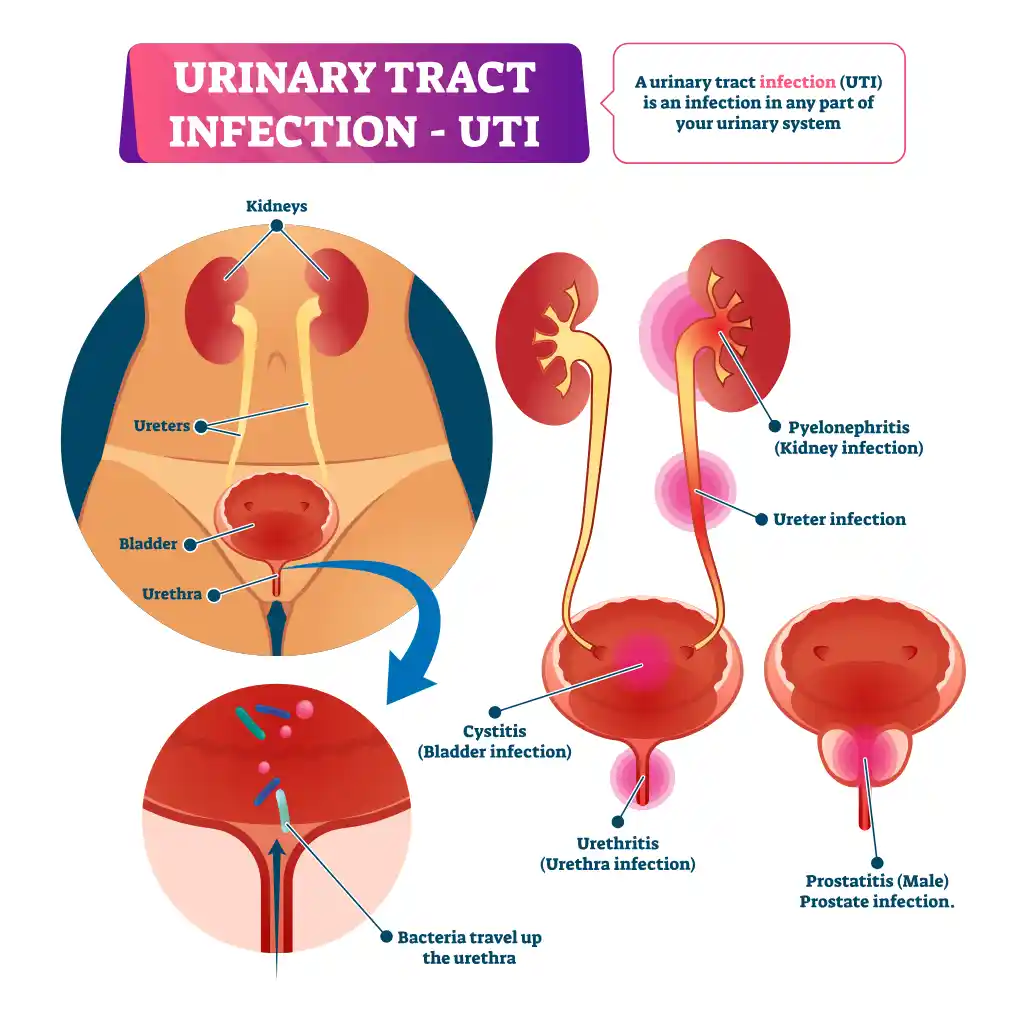
UTIs are particularly common in women. Approximately 1 in 2 women will experience a UTI at some point in their lifetime. That said, UTIs can and do affect men, older adults and children as well.
What Are the Symptoms of a UTI
Symptoms of a UTI can come on quickly and vary in intensity. The most common ones include:
- A burning or stinging sensation when urinating (dysuria)
- Needing to urinate more often than usual, including at night
- A sudden, urgent need to go, even when very little comes out
- Urine that looks cloudy, dark or has a strong, unpleasant smell
- Discomfort or pressure in the lower abdomen or pelvic area
- Blood in the urine, which may make it appear pink or red
It is worth noting that some people, particularly older adults, may not experience typical UTI symptoms. They may instead feel unusually tired, weak, confused, have a reduced appetite, or seem generally unwell. However, confusion alone should not automatically be assumed to be a UTI, as there may be other possible causes.
Who is at higher risk?
Certain groups are more vulnerable to UTIs and may need closer monitoring.
- People living with diabetes are at higher risk because elevated blood sugar can encourage bacterial growth in the urine.
- Older adults are also more susceptible due to changes in bladder function and immunity.
- During pregnancy, hormonal and physical changes to the urinary tract increase the risk of infection, and treatment is particularly important as untreated UTIs can affect the baby.
If you fall into any of these groups, speak to your GP about how best to protect yourself.
Could It Be Something Else?
Burning or discomfort when urinating is not always a UTI. Sexually transmitted infections (STIs) such as chlamydia, as well as conditions like an overactive bladder or vaginal infections, can produce similar symptoms. If you are unsure, it is always best to see a GP rather than assume. A simple urine test can usually confirm the diagnosis quickly.
What Causes a UTI — and Why Do Some People Keep Getting Them?
Most UTIs are caused by bacteria that normally live in the digestive tract, most commonly Escherichia coli (E. coli). These bacteria can enter the urethra and travel up into the bladder, where they multiply and cause infection.
Common Causes of UTI
Several everyday factors can make it easier for bacteria to enter the urinary tract:
- Not drinking enough water, which means bacteria are not flushed out regularly
- Holding in urine for long periods
- Sexual activity, which can introduce bacteria into the urethra
- Wiping from back to front after using the toilet
- Using certain hygiene products that cause irritation, making it easier for bacteria to enter the urethra
- A weakened immune system, which makes it harder for the body to fight off infection
Why Do UTIs Keep Coming Back?
If you have had repeated UTIs, you are not alone. Recurrent UTI is generally defined as three or more infections within 12 months. It is more common than many people realise.
Several factors can make someone more prone to repeat infections:
- Not fully emptying the bladder each time you urinate
- Kidney or bladder stones, which create a surface for bacteria to cling to
- Hormonal changes, including those that occur during pregnancy or after menopause
- Use of a urinary catheter
- Structural abnormalities in the urinary tract
- A history of frequent antibiotic use, which can disrupt the natural balance of bacteria in the body
If your UTIs keep returning, speak to a GP rather than simply treating each episode in isolation.
How to Reduce Your Risk of Getting a UTI
While UTIs cannot always be prevented, certain habits can significantly lower your chances of getting one:
- Drink at least 1.5 to 2 litres of water a day, or more if advised by your GP.
- Do not hold in urine; go when you need to
- Urinate as soon as possible after sexual intercourse
- Wipe from front to back after using the toilet
- Avoid using harsh soaps, douches or scented products around the genital area
- Wear breathable, cotton underwear and avoid tight-fitting clothing
- Change sanitary products or incontinence pads frequently when soiled
- If you have diabetes, keeping your blood sugar well-managed can help reduce your risk
When Does a UTI Need Urgent Attention?
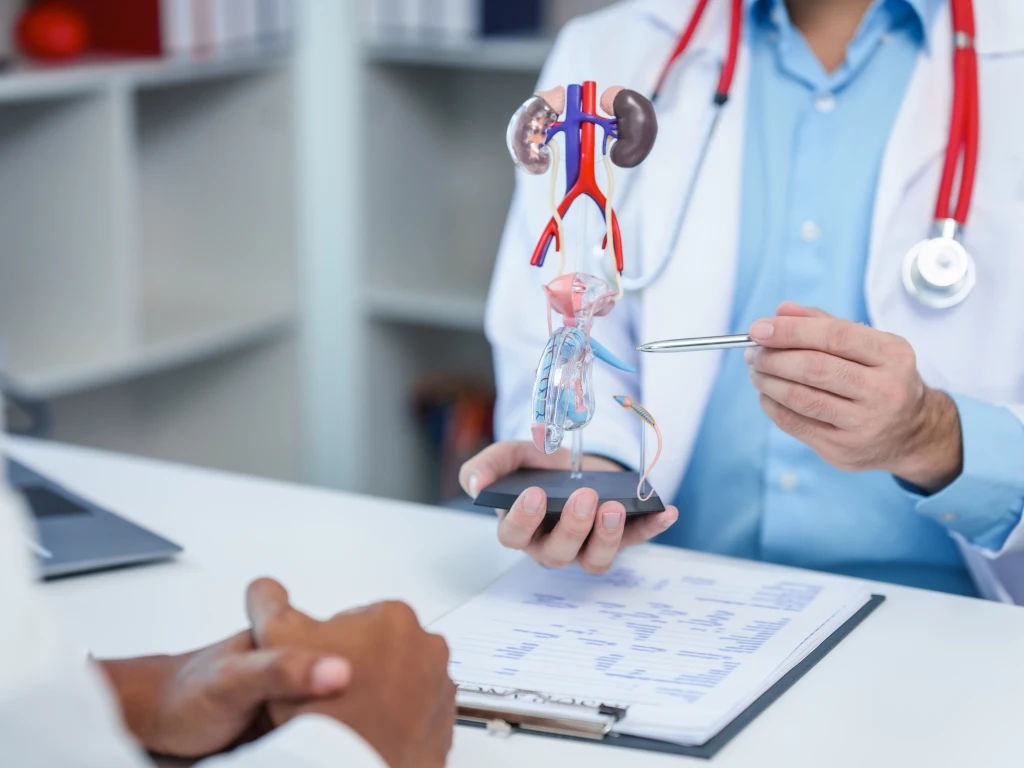
Most mild UTIs, caught early, can be managed with a short course of antibiotics from your GP. However, there are situations where the infection may be more serious and needs prompt medical attention.
See a doctor as soon as possible if you experience any of the following alongside your usual UTI symptoms:
- A fever or chills
- Pain in your back, sides or flanks (just below the ribs)
- Nausea or vomiting
- Visible blood in your urine
- Symptoms that have not improved after 48 hours of treatment
- Feeling generally very unwell or weak
These symptoms may suggest the infection has spread to the kidneys. A kidney infection requires more aggressive treatment and, in some cases, hospitalisation. Left untreated, it can lead to serious complications, including septicaemia, where infection enters the bloodstream.
How Is a UTI Tested and Diagnosed?
When you visit a GP with suspected UTI symptoms, the diagnosis is usually straightforward. Your doctor will take a brief history — asking about your symptoms, how long they have lasted and any relevant medical background — and may then carry out one or more of the following tests:
- Urine dipstick test: A quick in-clinic test that detects signs of infection such as white blood cells, nitrites and blood in the urine
- Urinalysis (microscopy): A more detailed look at the urine sample under a microscope
- Urine culture: A laboratory test that identifies the specific bacteria causing the infection, and which antibiotic will be most effective, particularly useful for recurrent UTIs
- Referral for imaging: If your GP suspects kidney involvement or a structural issue, you may be referred for an ultrasound scan at a radiology or specialist centre.
Treatment for a UTI
Treatment depends on the type and severity of the infection:
- Uncomplicated UTIs are typically treated with a short course of oral antibiotics. Symptoms usually begin to improve within 24 to 48 hours, but it is important to complete the full course even if you feel better sooner.
- A urine alkaliser may be recommended to help relieve stinging or discomfort while the antibiotic takes effect. However, it does not treat the infection itself.
- Recurrent UTIs may require a longer course of antibiotics or a low-dose preventive antibiotic taken over several months.
- Complicated or severe UTIs, particularly those involving the kidneys, may require intravenous antibiotics and admission to hospital.
Increasing your fluid intake throughout your treatment helps flush bacteria out of the urinary tract and supports recovery.
When Should You See a GP?
If you think you may have a UTI, do not wait and hope it resolves on its own. Untreated infections can worsen quickly, particularly if the kidneys become involved. A GP consultation is the fastest way to get an accurate diagnosis and the right treatment.
Frequently Asked Questions
Can a UTI go away on its own?
While very mild cases may improve on their own, symptomatic UTIs rarely resolve without treatment. Because of the risk of the infection spreading to the kidneys, antibiotics are usually recommended. If your symptoms persist beyond a day or two, or worsen at any point, see a GP.
Can men get a UTI?
Yes, though it is less common. Male UTIs are potentially more complicated and may indicate underlying obstruction or bladder conditions such as an enlarged prostate or urinary stones. Men who experience UTI symptoms should not dismiss them and should seek medical attention promptly.
How long does a UTI last?
With treatment, most uncomplicated UTIs begin to improve within 24 to 48 hours. Symptoms typically resolve fully within a week. Without treatment, the infection can persist and worsen. It is important to complete the full course of antibiotics even if you start feeling better sooner.
Can I have sex when I have a UTI?
It is advisable to wait until your UTI has fully cleared before resuming sexual activity. Intercourse during an active infection can introduce more bacteria into the urinary tract, potentially worsening symptoms or prolonging recovery. Once treated, urinating after sex is one of the most effective ways to reduce your risk of another infection.
Is UTI contagious?
No, UTI is not contagious and cannot be passed from person to person through casual contact. It is caused by bacteria, most commonly E. coli, entering the urinary tract and multiplying within the urinary tract.
Are UTIs more common during pregnancy?
Yes. Hormonal and physical changes during pregnancy affect the urinary tract, making infections more likely. Treatment is particularly important during pregnancy, as untreated UTIs can lead to complications for both mother and baby. Pregnant women who suspect a UTI should see a doctor promptly.
Related Doctor

Dr Amelia Zhao Shuhao
General Practitioner MBBS (S’pore), GDFMRelated Clinic

Healthway Medical (Lor Ah Soo)


Related Articles

Adult Vaccination Costs in Singapore: Subsidies and MediSave Explained
October 06, 2026
CHAS, Healthier SG and MediSave: What’s the Difference?
September 28, 2026