It’s easy to assume joint pains come with aging. Something to worry about later.
But for many people today, it may show up much earlier.
Maybe it’s a knee that feels sore after a long day, a shoulder that tightens after hours at your desk, or fingers that feel stiff in the morning. It comes and goes, so it’s easy to brush it off.
Until it starts happening more often.
Pain is there for a reason. It’s often your body’s way of telling you something is off long before it becomes a bigger issue.
Why Joint Pain Is Showing Up Earlier
Joint pain isn’t always about ageing. In many cases, it’s shaped by what we do daily.
It may not even be the joint that is injured, but the muscles around the joint or even pain referred from a pinched nerve.
Long hours of sitting can limit joint movement and gradually weaken the muscles that support them. At the same time, repetitive actions like typing, scrolling on your phone, or even certain gym routines can place ongoing strain on the wrists, shoulders, and neck.
Sports like golf, padel, and tennis have become increasingly popular, but they involve repeated movements swinging, twisting, and quick directional changes that can place stress on specific joints over time. Without proper technique or recovery, this stress can build up gradually.
On top of that, excess weight can place additional pressure on weight-bearing joints like the knees and hips. In some cases, underlying conditions may also contribute to inflammation, leading to more persistent or chronic joint discomfort.
Rather than a single cause, early joint pain is often the result of small, repeated stresses adding up over time.
Not All Joint Pain Feels the Same
Not all joint pain is the same. Understanding the different types of joint pain can help you identify what your body might be experiencing.
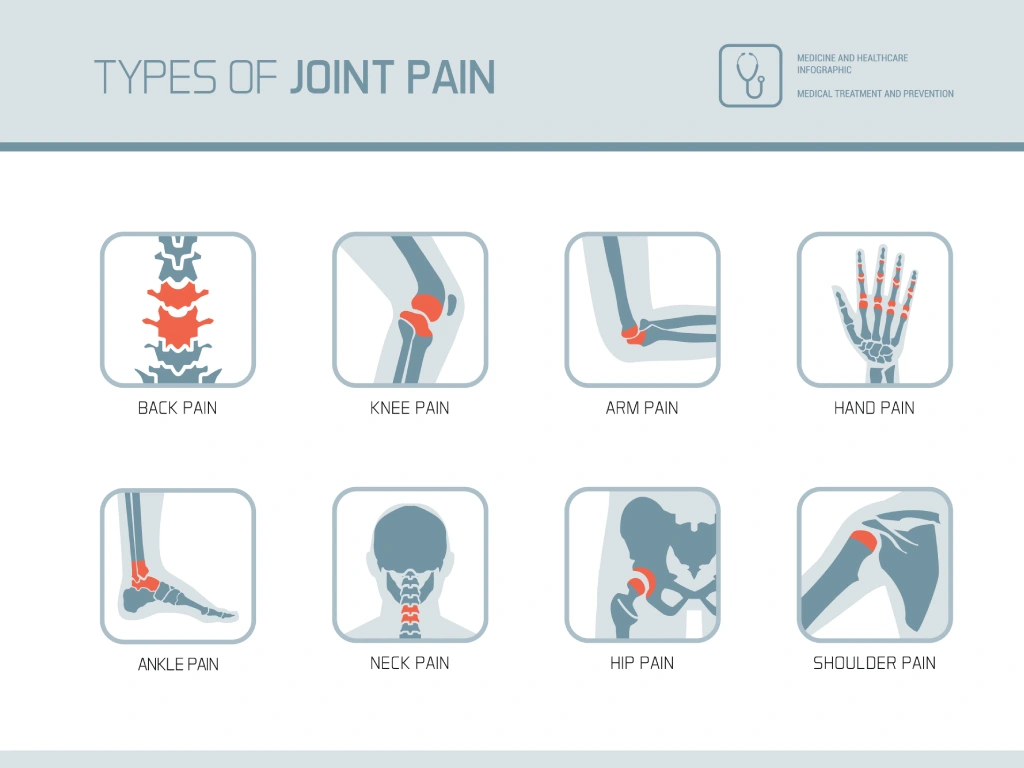
While joint pain can occur in various areas, the nature of the pain itself can differ. It is commonly classified into the following types:
Mechanical joint pain
Often related to overuse or strain, this type of pain typically worsens with activity and improves with rest. It is generally predictable and follows a consistent pattern.
Inflammatory joint pain
Usually comes with swelling, warmth, or stiffness especially in the morning, and may not improve easily with rest. There may also be multiple joint involvements and other symptoms like eye inflammation/redness/ a skin rash.
Non-Mechanical Pain
This is possibly something systemic instead, manifesting as pain or discomfort near/ in a joint. The symptoms are not related to activity or rest and may be bizarre. If associated with loss of weight / appetite/ night pains, further investigations are required.
How to Manage and Reduce Joint Pain Early
If you’re noticing early symptoms, small changes can make a real difference.
Stay active with the right exercise
Gentle, low impact activities such as walking, swimming, or stretching can help keep joints mobile.
Improve posture and ergonomics
Simple adjustments to how you sit, stand, and work can reduce unnecessary pressure on your joints.
Maintain a healthy weight
Reducing excess load on joints, especially the knees and hips, can make a noticeable difference in comfort.
Balance activity with recovery
Whether it’s exercise or sports like golf or padel, giving your body time to recover is just as important as staying active.
Pay Attention to persistent symptoms
If pain keeps coming back or doesn’t improve, it’s worth paying attention.
Ways to Treat Joint Pain
There isn’t a one-size-fits-all solution for joint pain. Treatment depends on the underlying cause and severity. Understanding the reason and avoiding the cause is an essential part of the recovery process.
Other options may include:
- Physiotherapy to improve strength and mobility
- Medication to manage pain and inflammation
- Lifestyle adjustments to reduce strain on joints
- In some cases, further evaluation or procedures if needed
The goal is not just to relieve pain, but to restore function and prevent further damage.
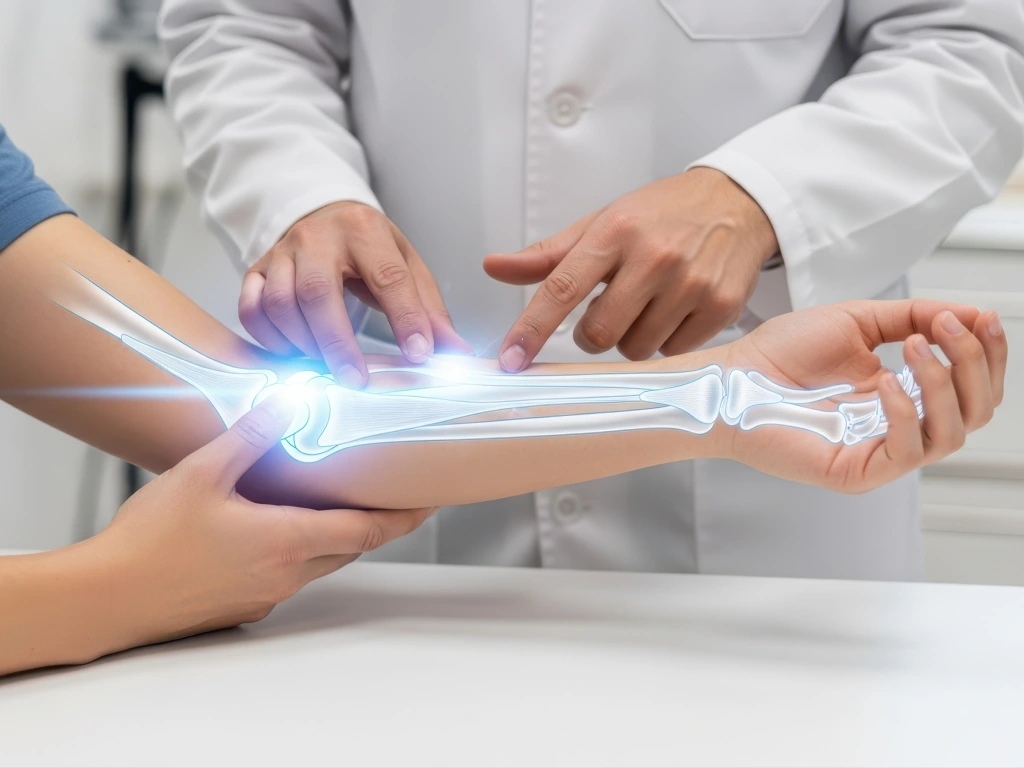
Act Early on Joint Pain Symptoms
Joint pain isn’t always a sign of ageing. In many cases, it’s an early signal that your body needs attention. Don't ignore it!
Recognising symptoms early and making simple adjustments—whether it’s improving posture, staying active, or allowing time to recover after sports or workouts—can go a long way in protecting your joints. In general, if you participate in a sport more than twice a week or are aiming to reach a higher level of performance, off-court conditioning becomes an important part of injury prevention and continued improvement
If discomfort starts to affect your daily routine or keeps returning, a proper assessment can help identify the cause and guide the next steps.
At Island Orthopaedics Singapore, our specialists take a broader view looking at how your movement, lifestyle, and activity levels come together, rather than focusing on symptoms alone. This allows care to be tailored to your needs, supporting long-term joint health and helping you stay active with confidence. We believe that everyone deserves to live pain free and for as long as possible.
Frequently Asked Questions
Why do I get joint pain even though I’m active?
Being active is good for your joints, but the type of activity matters. Repetitive movements, poor technique, or not allowing enough recovery time, especially in sports like golf, padel, or gym training, can place ongoing stress on certain joints. Over time, this can lead to discomfort even if you’re otherwise healthy. Rest and stretching after exercise can help support recovery.
Should I stop exercising if I have joint pain?
Not necessarily. In most cases, staying active helps. The key is to modify your activity, reduce high-impact movements, and switch to joint-friendly options such as swimming, cycling, or guided strengthening exercises. Any activity that causes pain should be stopped until it has been assessed by your doctor.
Which sports are most likely to cause joint pain?
Sports that involve repetitive motion or sudden changes in direction are more likely to stress the joints. These include golf, due to repetitive swinging; padel and tennis, due to quick pivots; running, due to impact on the knees; and high-intensity training. Proper technique and recovery can help reduce the risk.
Rather than choosing a sport simply because it is considered “safe”, focus on activities that interest you while being mindful of how to reduce the risk of injury.
How can I prevent joint pain while staying active?
Focus on proper warm-up, strength training, and recovery. Maintaining good posture, using correct techniques, and avoiding sudden increases in activity intensity can help protect your joints. Low-impact exercises can also reduce stress on the joints. Remember, warm-up is for today, stretching is for tomorrow. Proper coaching and equipment can also play an important role in preventing injury.

Medically Reviewed by Dr Derrick Oh
Consultant Orthopaedic Surgeon at Island Orthopaedics