

Hepatitis A, B, C, D and E. What are they, how do they differ, and could they affect you?
These are common questions, especially when the different viruses share the same name. It is easy to get them mixed up or to assume hepatitis is unlikely to be relevant to you. Yet, while some types cause short-term illness, others can remain in the body for years, quietly affecting the liver without causing any obvious symptoms.
Understanding the differences can help you recognise what to look out for, know when testing may be worth considering, and learn which types can be prevented through vaccination. Here, we take a closer look at the main types of viral hepatitis, how they spread, the signs to know, and the steps you can take to protect your liver health.
Key Takeaways
- “Viral hepatitis” covers several different viral infections that inflame the liver — the main viral types are A, B, C, D and E.
- Hepatitis A and E usually spread through contaminated food or water, while hepatitis B and C spread through infected blood and certain body fluids. Hepatitis D only occurs in people who have hepatitis B.
- Hepatitis B and C can cause no symptoms for years, so testing is the only reliable way to know whether you have the infection.
- Hepatitis A and B are vaccine-preventable, and hepatitis C is now curable.
- Chronic Hepatitis B is very manageable — with appropriate monitoring and treatment when needed.
What is Hepatitis?
Hepatitis simply means inflammation of the liver. It is often caused by a virus, though heavy alcohol use, fatty liver disease and certain medicines can also inflame the liver. Some types cause a short-lived illness that clears on its own, while others can quietly persist for years and lead to lasting liver damage. There are five main types of viral hepatitis, and knowing how they differ is the first step to protecting yourself.
The Different Types of Hepatitis
How hepatitis spreads depends on the type of virus. Here is how they compare.
| Type | What It Is | How Is the Virus Transmitted? | How to Protect Yourself |
|---|---|---|---|
| Hepatitis A | A short-term liver infection caused by the hepatitis A virus (HAV). It can leave you unwell for a few weeks, but most people recover completely without it becoming chronic. Recovery typically gives long-lasting immunity. | Through contaminated food or water. | Vaccination as a 2-dose course; may be recommended before travelling to places where Hepatitis A is more common. |
| Hepatitis B | A potentially serious liver infection caused by the hepatitis B virus (HBV). Most adults who acquire an acute infection recover, but in some it becomes chronic and can quietly damage the liver over many years. Treatments don't usually eliminate the virus completely, but chronic Hepatitis B can often be managed effectively. | Through infected blood and certain body fluids, including from mother to baby at birth. | Vaccination, typically a 3-dose course. If you're unsure whether you've been vaccinated, are immune, or have a current infection, your doctor can advise whether blood tests are needed. |
| Hepatitis C | A liver infection caused by the hepatitis C virus (HCV) that is often silent and frequently becomes long-term if untreated. Unlike Hepatitis B, it can now be cured in most people with a course of antiviral tablets. There is currently no vaccine. | Mainly through blood-to-blood contact, such as shared needles or exposure to contaminated equipment. | Since there's no vaccine, testing may be recommended if you have possible exposure risks. |
| Hepatitis D | An infection caused by the hepatitis D virus (HDV) that only affects people who already have Hepatitis B and can make that infection worse. | Through blood and body fluids, in people who are also infected with Hepatitis B. | Preventing Hepatitis B through vaccination also protects against Hepatitis D, as HDV can only infect people who have Hepatitis B. |
| Hepatitis E | A short-term liver infection caused by the hepatitis E virus (HEV) that usually resolves without becoming chronic. It is uncommon in Singapore. | Through contaminated food or water. | Good food and water hygiene; a vaccine exists but isn't widely available in Singapore. |
Of these, Hepatitis B deserves particular attention in Singapore because it can become chronic, remain symptom-free for years and lead to serious liver complications if left unmanaged.
Hepatitis B Symptoms and Why Early Detection Matters
Here's why Hepatitis B stands out. It's often completely silent. Around 70% of adults with an acute infection feel perfectly well.1 In some people, the infection becomes chronic without ever causing obvious symptoms, allowing it to affect the liver quietly over many years. Chronic Hepatitis B is a leading cause of liver cirrhosis (scarring) and liver cancer in Singapore.2 That is why waiting until you feel unwell is not a safe way to detect it.
The risk of chronic infection is particularly high when Hepatitis B is acquired at birth or in early childhood. Chronic Hepatitis B can often be managed effectively with regular monitoring and, when needed, treatment to reduce the risk of liver complications.
Learn more about Chronic Hepatitis B, including monitoring and treatment.
Hepatitis Prevention: Screening and Vaccination
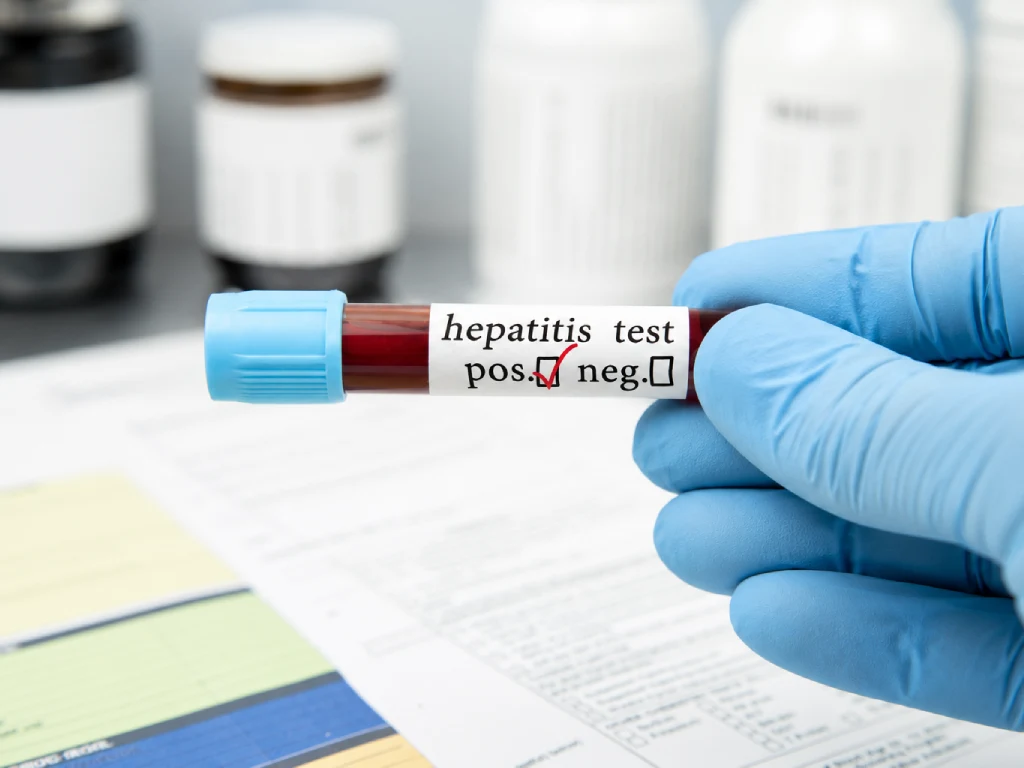
There are practical steps you can take to reduce your risk and protect your liver health: understanding how hepatitis spreads, knowing when to get tested, and staying up to date with recommended vaccinations.
Who Should Consider Hepatitis Screening?
Because Hepatitis B and C can stay hidden for so long, testing is the only reliable way to know whether you have the infection. Speak to your doctor about testing if any of these apply to you:
- You have never been tested or are unsure whether you have been vaccinated.
- Your work carries a higher risk of exposure.
- You live with, or have a partner who has, Hepatitis B or C.
- You are pregnant.
Depending on what your doctor is assessing, hepatitis screening blood tests may include:
- HBsAg — detects a current Hepatitis B infection.
- Anti-HBs — checks whether you are immune to Hepatitis B, for example after vaccination.
- Hepatitis A antibody — checks whether you are immune to Hepatitis A.
- Anti-HCV — is used as an initial test for Hepatitis C exposure, with further testing required if the result is positive.
Your doctor may also recommend liver function tests (LFT) to assess your liver. However, these tests alone cannot confirm or rule out a hepatitis infection. At Healthway Medical, hepatitis screening is available as part of selected clinic health screening packages, with a GP to go through the results with you.
Hepatitis Vaccination
Vaccination provides effective protection against Hepatitis A and B. After a complete course, protection is generally long-lasting, and routine boosters are not usually required for most healthy people. Your doctor will advise you based on the vaccine received and your individual risk.
- Hepatitis A vaccination is given in 2 doses, usually six months apart.
- Hepatitis B vaccination is given in 3 doses over about six months. A Hepatitis B vaccine also protects against Hepatitis D infection.
- A combined vaccine (Twinrix) protects against both Hepatitis A and B in a single 3-dose course — useful if you need cover for both.
There is currently no vaccine for Hepatitis C, so testing is particularly important for people with possible exposure risks.
Where to Get Hepatitis Screening or Vaccination in Singapore

Whether you are wondering if you need screening, cannot remember whether you have been vaccinated, or simply want to look after your liver, a GP can help you decide which tests or vaccinations may be appropriate. If you are pregnant, hepatitis screening is already part of routine antenatal care — we cover what that means for you and your baby in hepatitis during pregnancy.
Can MediSave or CHAS Be Used for Hepatitis Care?
Hepatitis B vaccination is nationally recommended for adults without evidence of immunity, past infection or previous vaccination. MediSave can be used for eligible vaccinations, and subsidies are available for eligible patients under Healthier SG and national vaccination schemes.3
Chronic Hepatitis B is also included under the Chronic Disease Management Programme, allowing eligible patients to use MediSave for approved outpatient care, subject to prevailing limits and conditions. Hepatitis A vaccination and general screening tests are usually paid out of pocket, so check pricing and your eligibility with the clinic.
Ready to get checked or vaccinated?
Find a Healthway clinic near you and book an appointment.
Frequently Asked Questions
Can I get Hepatitis A and B at the same time?
Yes, you can. They are caused by different viruses, so it is possible to have both. A combined vaccine is also available to protect against both infections.
How do I know if I am immune to Hepatitis B?
A blood test for Hepatitis B surface antibodies (anti-HBs) can help determine whether you have immunity. Depending on your medical and vaccination history, your doctor may recommend additional Hepatitis B blood tests to understand your overall status.
Is chronic Hepatitis B curable?
Current treatments do not usually eliminate the virus completely, but chronic Hepatitis B can often be managed effectively. Regular monitoring and, when needed, antiviral treatment can help reduce the risk of liver damage and complications. Learn more about Chronic Hepatitis B.
Is Hepatitis C curable?
Modern antiviral medicines can cure most Hepatitis C infections. As there is currently no vaccine, testing is important for people who may have been exposed to the virus.
References
- Communicable Diseases Agency (CDA). Hepatitis B. Available at: https://www.cda.gov.sg/professionals/diseases/hepatitis-b/
- Ang LW, et al. Status of hepatitis B virus and hepatitis C virus elimination in Singapore: a call for action. Singapore Medical Journal. 2025. Available at: https://pmc.ncbi.nlm.nih.gov/articles/PMC12364410/
- Ministry of Health, Singapore. National Adult Immunisation Schedule; Extension of MediSave for Vaccines. Available at: https://www.moh.gov.sg/newsroom/moh-establishes-national-adult-immunisation-schedule-extends-use-of-medisave-for-vaccines-under-the-schedule/
Related Articles

Adult Vaccination Costs in Singapore: Subsidies and MediSave Explained
October 06, 2026
CHAS, Healthier SG and MediSave: What’s the Difference?
September 28, 2026