
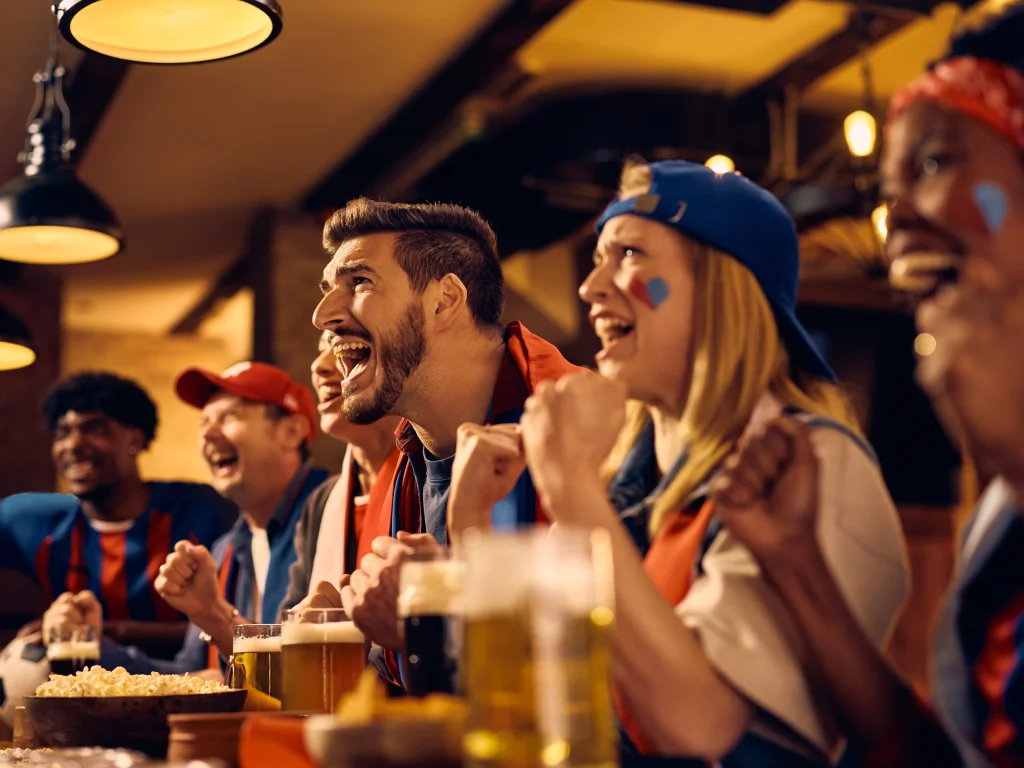
The FIFA World Cup is here and it’s the time that brings people together like nothing else, late-night matches, emotional highs, celebratory drinks, and endless snacks. But while you’re focused on the match, your body is quietly trying to keep up.
From heart-pounding moments during penalty shootouts to disrupted sleep, the health effects of watching football are real and often overlooked.
Here’s what doctors want you to know about staying healthy during the World Cup period.
Heart Health: When Excitement Becomes Physical
A last-minute goal is one of the most exciting moments in a game. One moment you’re on the edge of your seat, the next you’re on your feet, celebrating, shouting, and feeling your heart race with the crowd.
“High stakes games can trigger a surge in adrenaline, which raises heart rate and blood pressure. For most people, this is temporary. But for those with underlying heart conditions, intense emotional stress can pose real risks.”
— Dr. Koh Choong Hou, Senior Consultant Cardiologist at Nobel Heart Centre (Mount Elizabeth Novena)
While a faster heartbeat during an exciting match is usually harmless, major sporting events can place unexpected strain on the heart in other ways too.
For instance, excessive alcohol consumption over a short period — often seen during celebrations, can trigger an irregular heart rhythm known as atrial fibrillation. During tournament season, late nights, alcohol, and heightened emotions can all come together, increasing the likelihood of palpitations or an irregular heartbeat.
There’s also something less commonly talked about called “Happy Heart Syndrome”. While many people have heard of ‘broken heart syndrome’, extreme joy can have a similar effect on the heart, in rare cases, the emotional rush from a major victory or dramatic sporting moment can temporarily affect how the heart muscle functions.
“So, while enjoying the game, it’s worth paying attention to how you feel. Signs like racing or irregular heartbeat, chest discomfort, shortness of breath, or dizziness shouldn’t be ignored especially if they don’t settle with rest. Stay hydrated, limit alcohol intake, and avoid overexerting yourself emotionally during high pressure matches.”
— Dr. Koh Choong Hou, Senior Consultant Cardiologist at Nobel Heart Centre (Mount Elizabeth Novena)
The “world cup diet” your stomach didn’t sign up for
Game nights often mean gathering with friends, along with more beer, fast food, and late-night meals. While enjoyable, this combination can take a toll on your digestive system.
If you’ve ever woken up the next morning feeling bloated, heavy, or slightly uncomfortable, you’re not imagining it.
“Alcohol and heavy meals can irritate the stomach lining and worsen acid reflux.
Eating late at night also disrupts normal digestion, which is why many people feel bloated the next day. Ideally, you should allow 4–5 hours between your last meal and sleep.”
— Dr. Wang Yu Tien, Senior Consultant Gastroenterologist at Nobel Gastroenterology Centre (Gleneagles)
That post-match discomfort isn’t random; it’s simply your body reacting to a sudden shift in eating habits.
Dr. Wang Yu Tien adds, “You don’t have to avoid these moments entirely. Moderate your alcohol consumption and ensure adequate water intake, go for lighter options when you can, and avoid lying down straight after eating.”
It may not feel significant at first, but when late meals, drinks, and heavier foods become a daily pattern over a few weeks, your gut will start to notice.
Your eyes are working overtime too
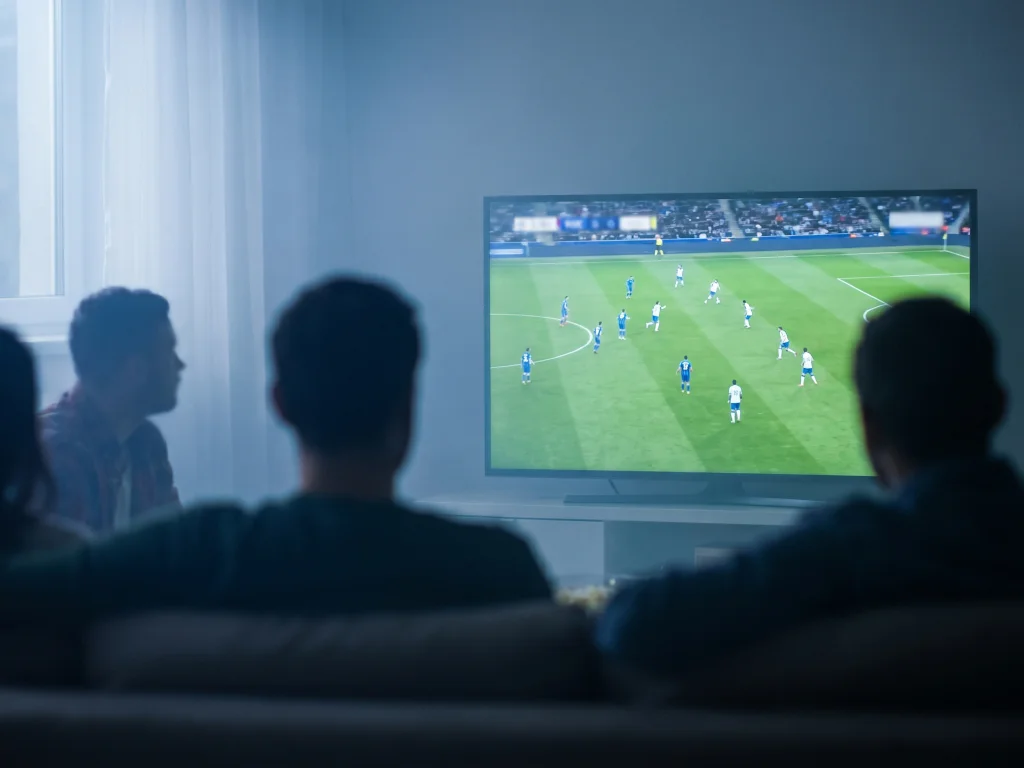
It’s easy to forget how much screen time increases during the FIFA World Cup.
Multiple matches, highlights, replays, often watched in dim lighting or on different devices can quietly strain your eyes.
“During periods like the World Cup, we see more cases of digital eye strain. People blink less when focusing on screens, which leads to dryness, irritation, and fatigue.”
— Dr. Livia Teo, Senior Consultant Ophthalmologist at Nobel Eye & Vision Centre (Gleneagles)
It doesn’t usually hit all at once. But after a few late nights in a row, you might notice headaches, blurred vision, or that heavy, tired feeling in your eyes.
Dr. Livia Teo offers simple, practical advice:
“Follow the 20-20-20 rule, every 20 minutes, look at something 20 feet away for 20 seconds. It helps reset your eyes.”
Enjoy the Game, Protect Your Health
The World Cup is meant to be enjoyed. It’s one of those rare moments where people come together, share experiences, and get caught up in something bigger than themselves.
But it helps to stay a little aware of how your body is responding along the way.
Drink some water between rounds. Get a decent night’s sleep when you can. Maybe skip that extra heavy meal once in a while. Small adjustments make a bigger difference than you think.
And if something doesn’t feel quite right, it’s worth checking in with a doctor.
At Nobel Medical Group, our doctors are here to support you beyond the game. Whether you’re looking for reassurance or personalised advice, getting checked early can make all the difference in keeping your health on track.
Dr. Koh Choong Hou (Senior Consultant Cardiologist at Nobel Heart Centre) sees patients with a range of heart concerns, from symptoms like chest pain or palpitations to those needing detailed heart checks. He also sees patients who need fitness assessments for flying or sports.
Dr. Wang Yu Tien (Senior Consultant Gastroenterologist at Nobel Gastroenterology Centre) manages patients with a wide range of digestive and liver conditions, including issues like heartburn, reflux, IBS, and infections such as Helicobacter pylori. He also manages more complex gastrointestinal and liver diseases, and performs specialised tests and endoscopic procedures for diagnosis and treatment.
Dr. Livia Teo (Senior Consultant Ophthalmologists at Nobel Eye Centre) provides care for a wide range of eye conditions, including cataracts, glaucoma, retinal diseases, myopia, and dry eye. She also manages eyelid and orbital conditions and performs both routine eye examinations and specialised oculoplastic and reconstructive procedures.
Together, these specialists offer a comprehensive, patient-focused approach ensuring you receive the care you need, so you can continue enjoying the moments that matter.
When Should you See a GP?
Major sporting events can disrupt normal routines, especially when matches are late at night. But not every post-match symptom means something is seriously wrong. Feeling tired after staying up, bloated after a heavy meal, or having mild eye strain after hours of screen time can happen when your usual habits shift.
However, if symptoms keep coming back, feel unusual for you, or start affecting your day, it may be worth checking in with a GP.
Consider seeing a GP if you experience:
- Chest discomfort, breathlessness, or palpitations that do not settle
- Gastric pain, frequent reflux, or bloating that keeps recurring
- Headaches, dizziness, or unusual fatigue after several late nights
- Poor sleep that affects your concentration, mood, or energy
- Eye discomfort, dryness, or blurred vision that persists even after resting
- A general sense that something feels “off” compared to your usual health
A GP can assess your symptoms, check key health markers such as blood pressure, blood sugar, and cholesterol, and advise whether further tests or specialist referral may be needed.
The goal is not to stop you from enjoying the game, but to help you understand what your body is telling you, especially when symptoms are more than just a one-off reaction to a late night.
Speak to our GP if something feels off. Find a clinic near you.
Related Articles

Adult Vaccination Costs in Singapore: Subsidies and MediSave Explained
October 06, 2026
CHAS, Healthier SG and MediSave: What’s the Difference?
September 28, 2026