
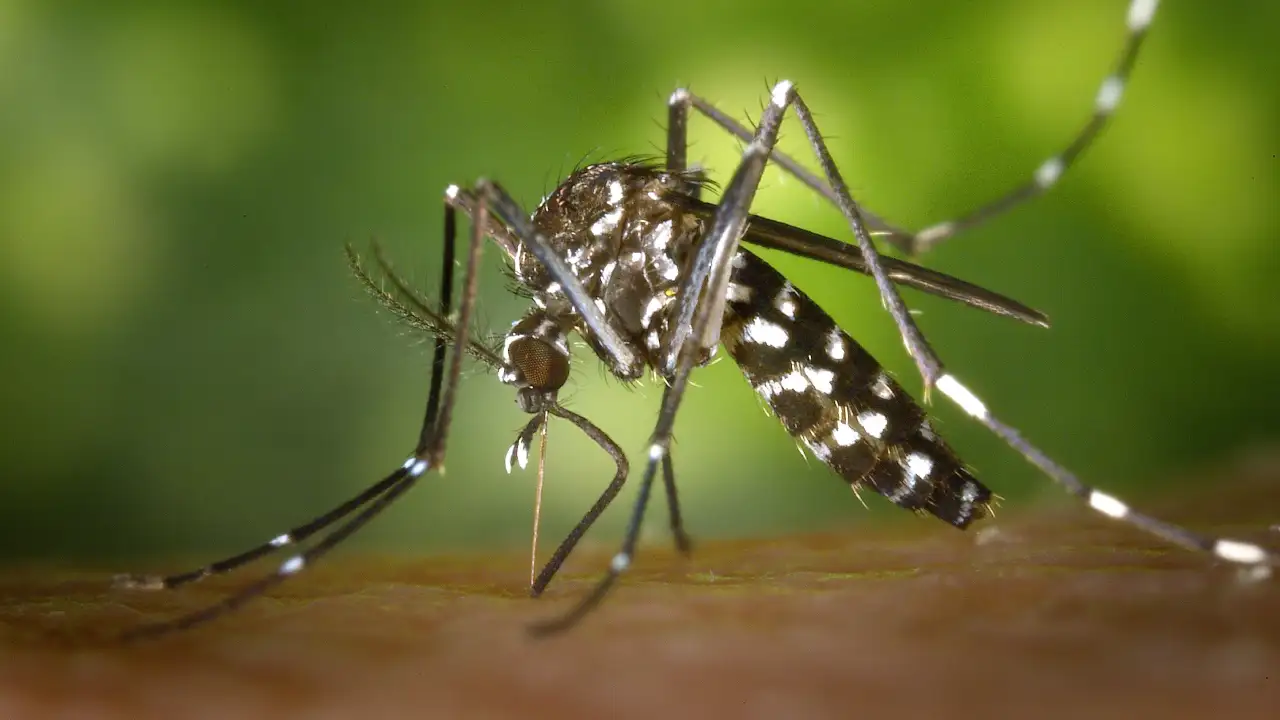
Dengue fever is one of the most common mosquito-borne diseases in Singapore, with cases reported every year. It is caused by the dengue virus, which is spread through the bite of an infected Aedes mosquito.
Because Singapore’s warm and humid climate allows mosquitoes to breed all year round, dengue remains a year-round risk. Knowing the symptoms, how dengue spreads, and when to seek medical help can make a difference, especially if symptoms worsen as the fever starts to settle.
Symptoms of Dengue Fever
Dengue fever usually develops about 4 to 7 days after being bitten by an infected mosquito, though symptoms may appear anytime between 3 and 14 days.
Common symptoms include:
- Sudden onset of fever for 2 to 7 days
- Severe headache with retro-orbital (behind the eye) pain
- Joint and muscle pain
- Skin rashes
- Nausea and vomiting
- Bleeding from the nose or gums or easy bruising of the skin
When to See a GP or Go to A&E
Most dengue cases can be assessed and managed by a GP, especially if symptoms are mild and you are able to drink fluids, rest and monitor your condition. However, dengue can sometimes progress to severe dengue. In rare cases, dengue fever may progress to dengue haemorrhagic fever or dengue shock syndrome. These are the most severe types of infection, and they can be fatal.
Seek urgent medical attention or go to A&E immediately if you experience any warning signs, especially as your fever starts to come down or shortly after.
These warning signs include:
- Severe abdominal pain
- Persistent vomiting
- Bleeding from the nose or gums, or blood in vomit or stools
- Red spots or patches on the skin
- Rapid breathing or difficulty breathing
- Cold or clammy skin
- Feeling faint, drowsy, restless or confused
How Dengue Spreads
Dengue fever is transmitted to humans through the bite of an infected Aedes mosquito, mainly Aedes aegypti and Aedes albopictus.
Dengue does not spread directly from person to person. However, when a mosquito bites a person who has dengue, the mosquito can become infected. After about a week, it may then transmit the virus to other people it bites.
Who Is at Higher Risk of Severe Dengue?
While anyone can get dengue, some people may have a higher risk of severe illness. This includes:
- Older adults
- People with pre-existing medical conditions such as diabetes, hypertension or heart disease
- People who have had dengue before, as a repeat infection, can increase the risk of severe dengue
- People living in densely populated areas or near known dengue clusters
What should you do if you think you have dengue fever?
If you suspect that you may have dengue, please see a doctor immediately. For severe cases, you may require hospitalisation and aggressive emergency treatment with fluid and electrolyte replacement or blood transfusions.
How to Protect Yourself from Dengue
The best way to reduce your risk of dengue is to prevent mosquito bites and remove mosquito breeding areas around your home.
You can protect yourself by:
- Applying mosquito repellent, and reapplying it every 4 to 6 hours, especially when outdoors
- Wearing long-sleeved clothing and long pants, especially during the day when Aedes mosquitoes are most active
- Keeping windows and doors closed where possible, or using mosquito screens
- Spraying insecticide in dark corners around the home where mosquitoes may rest
You should also remove stagnant water regularly. Check common mosquito breeding spots such as:
- Flower pot plates and trays
- Pails, containers and unused bowls
- Roof gutters and drains
- Bamboo pole holders
- Plant vases
- Water storage containers
- Any item that can collect rainwater
Home Care and What to Avoid
If you have been diagnosed with dengue and are recovering at home:
- Take paracetamol to manage fever and pain, if suitable for you
- Do not take NSAIDs such as ibuprofen or aspirin, unless advised by a doctor, as these may increase the risk of bleeding
- Stay well hydrated with water, oral rehydration fluids or isotonic drinks
- Rest as much as possible
- Monitor your symptoms closely, especially around day 4 to 5 or when your fever begins to come down
- Return to your doctor or go to A&E if your condition worsens
Check for Dengue Clusters Near You
You can check the NEA Dengue Cluster Map to see if there are active dengue cases in your area. If you live near a dengue cluster, increase your preventive measures and watch for symptoms early.
If you are feeling unwell or unsure whether your symptoms could be dengue, book an appointment at your nearest Healthway Medical clinic. Our GPs can assess your symptoms, arrange appropriate tests if needed, and advise you on the next steps for care.
Related Articles

Is Vaping or Social Smoking Really Harmless?
May 28, 2025
Prep for a Thriving School Year and Boost Your Child's Immunity
December 27, 2024