
Stroke is the fourth leading cause of death and one of the leading causes of adult disability in Singapore1. Each year, close to 9,000 people here have a stroke, and the number has been rising. The average age at which a stroke occurs is around 65, but strokes are becoming more common in younger adults too2.
A stroke can happen suddenly, which is why knowing the warning signs and acting F.A.S.T. is critical. What follows can look different for everyone, but timely treatment, rehabilitation and ongoing care can support recovery and lower the risk of another stroke. Your GP can support this longer-term journey by helping to manage your medication, monitor your risk factors and coordinate follow-up care.
What is a Stroke?
A stroke happens when blood flow to part of the brain is interrupted, depriving brain cells of oxygen. Depending on which part of the brain is affected, a stroke can change movement, speech, vision, balance or memory. Without oxygen, brain cells quickly become damaged. A stroke is therefore always a medical emergency.
Ischaemic and Haemorrhagic Stroke
There are two main types of stroke3:
- An ischaemic stroke, the most common kind (around 80% of strokes in Singapore), happens when a clot blocks a blood vessel supplying the brain.
- A haemorrhagic stroke happens when a blood vessel bursts and bleeds into or around the brain.
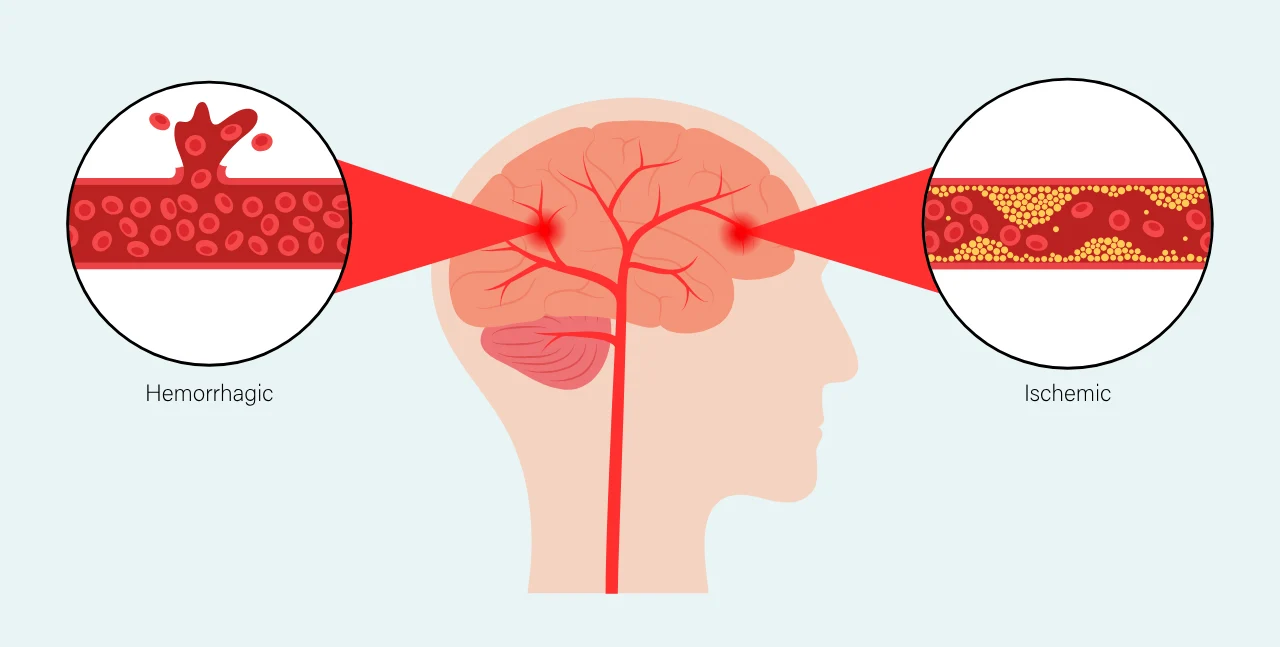
Both types interrupt the brain's blood supply, and both are serious emergencies. The signs are often the same from the outside, which is why it is so important to recognise them quickly.
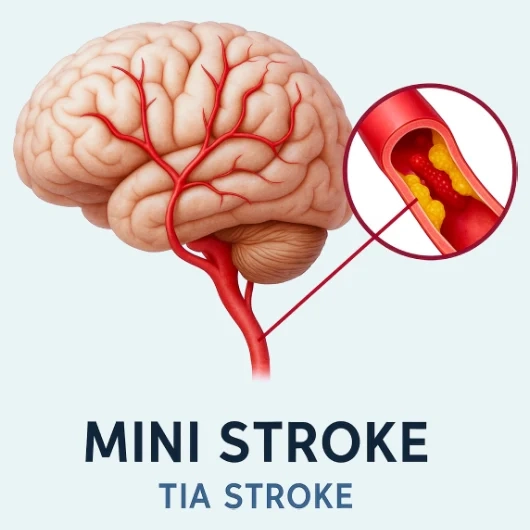
What Is a TIA (Mini-Stroke)?
A transient ischaemic attack (TIA), sometimes called a mini-stroke, causes temporary stroke-like symptoms that usually resolve within minutes or hours3.
Even if symptoms disappear, a TIA is a serious warning sign that a full stroke may follow, so it still requires urgent medical attention. Because TIA and stroke symptoms can look the same, it is important to recognise the warning signs and act immediately.
Recognising the Signs of a Stroke
The F.A.S.T. signs are among the most recognisable stroke symptoms, whether they appear in you or someone around you4.
| Face | Arms | Speech | Time |
|---|---|---|---|
| One side of the face may droop | One arm may be weak or numb | Speech may be slurred or hard to understand | If you see any of these, call 995 immediately |
A stroke can also cause other sudden symptoms, including3:
- Sudden numbness or weakness on one side of the body
- Sudden confusion or trouble understanding others
- Sudden trouble seeing in one or both eyes
- Sudden dizziness, loss of balance or difficulty walking
- A sudden, severe headache with no obvious cause
The key word is sudden. If any of these symptoms appear, do not wait for them to pass. Call 995 immediately.
Life After a Stroke: Recovery and Rehabilitation
Recovery from a stroke is different for everyone. Many people regain much of their independence, while others live with longer-term changes. Most recovery happens in the first three to six months, and for many people, it continues more gradually for years afterwards5.
Post-Stroke Rehabilitation
Rehabilitation is central to that recovery. It usually begins in hospital. As soon as you are well enough, rehabilitation may continue at a community hospital, a day rehabilitation centre, or at home6.
Working with your therapists
Your rehabilitation may involve several therapists working together:
- Physiotherapists support a patient in regaining movement, balance and strength.
- Occupational therapists help patients relearn activities of daily living and regain independence.
- Speech therapists support patients with speech, language and swallowing.
Looking after your emotional wellbeing
Recovery isn't only physical. Many people feel low, anxious or frustrated after a stroke. Post-stroke depression is common and treatable, so it is worth talking to a doctor rather than pushing through alone.
Preventing Another Stroke: Secondary Stroke Prevention
After a stroke or TIA, preventing another one becomes a key priority. Medication, regular monitoring and good control of your risk factors can substantially reduce the risk5.
Medications
Your medication will depend on the type and cause of your stroke. Treatment may include antiplatelets or anticoagulants to reduce clot formation, as well as medicines to control blood pressure and cholesterol5. Taking your medication as prescribed is an important part of lowering your risk. Your GP can review your treatment and monitor for side effects.
Managing Stroke Risk Factors
Keeping your blood pressure, cholesterol and blood sugar within a healthy range is at the heart of preventing another stroke.
The main risk factors to monitor are5 7:
- High blood pressure
- High cholesterol
- Diabetes
- Physical inactivity
- Being overweight / Obesity
- An irregular heart rhythm (atrial fibrillation)
High blood pressure, cholesterol and blood sugar may cause no obvious symptoms, making regular monitoring important. Your GP can monitor your blood pressure, cholesterol and blood sugar, review your treatment and identify changes early.
Healthy Habits After a Stroke
Alongside medical care, everyday habits can make a genuine difference5:
- Stop smoking, one of the most powerful single changes you can make
- Eat well, favouring vegetables, fruit and wholegrains, and cutting back on salt
- Stay as active as your recovery allows, guided by your care team
- Limit alcohol and ask your doctor what is appropriate for you
- Work towards a healthy bodyweight
Making several changes at once can feel overwhelming, but regular GP follow-up can help you set manageable goals and keep your prevention plan on track. Whatever your recovery looks like, you do not have to manage it alone.
Talk to a Healthway Medical GPPost-Stroke Care with Your GP

After hospital treatment and early rehabilitation, your GP can support your long-term recovery and help reduce the risk of another stroke.
Your GP can support you by:
- Managing medication: reviewing secondary-prevention medicines and monitoring for side effects
- Keeping vaccinations up to date: reviewing your vaccination status and arranging recommended vaccinations to help protect against preventable infections
- Controlling risk factors: monitoring and managing blood pressure, cholesterol and chronic conditions such as diabetes
- Coordinating rehabilitation: arranging referrals for physiotherapy, occupational therapy and speech therapy, and following up on rehabilitation needs
- Supporting emotional wellbeing: checking for depression, anxiety and other post-stroke concerns, and arranging further support where needed
- Looking after wider health: managing stroke alongside your other long-term conditions and providing guidance for your caregiver where needed
- Providing continuity: conducting regular follow-ups so changes are identified early
GP follow-up complements, rather than replaces, hospital and specialist care. Regular reviews allow changes in your health or treatment needs to be identified early.
Using MediSave for Stroke Care under the CDMP
Stroke is one of the conditions covered under Singapore's Chronic Disease Management Programme (CDMP)8. Eligible Singapore Citizens and Permanent Residents can use MediSave to offset the cost of eligible outpatient stroke follow-up at accredited GP clinics, subject to prevailing scheme limits and eligibility criteria.
If you are enrolled with a Healthier SG clinic, you can use MediSave to fully pay for eligible CDMP treatment at your enrolled clinic, up to the prevailing withdrawal limits, without the 15% cash co-payment9. Community Health Assist Scheme (CHAS), Pioneer Generation and Merdeka Generation cardholders may also receive further subsidies, where eligible.
All Healthway Medical GP clinics are accredited CDMP providers. If you or a family member is recovering from a stroke, speak to a Healthway Medical GP about ongoing follow-up and prevention.
Find a Healthway Medical Clinic Near YouFrequently Asked Questions About Stroke
Call 995 for an ambulance immediately. Use the F.A.S.T. check (face drooping, arm weakness, speech difficulty, time to call) and note when the symptoms began. Do not drive the person to hospital yourself; an ambulance can provide medical support on the way4.
A TIA, or mini-stroke, causes stroke-like symptoms that resolve, usually within minutes or hours. A stroke causes injury to the brain, and its effects may persist. A TIA is a serious warning that a full stroke may follow, so it still needs urgent medical attention. Treat it as an emergency and call 9953.
Recovery varies from person to person. Many people regain much of their function, especially in the first three to six months, and improvement can continue for much longer with rehabilitation and support5.
Take your prescribed medication consistently, keep your blood pressure, cholesterol and diabetes well controlled, stop smoking, stay active as your recovery allows, and attend regular reviews with your GP. Together, these substantially lower the risk of a second stroke5.
Yes. Stroke is one of the conditions under the Chronic Disease Management Programme, so eligible patients can use MediSave for outpatient stroke follow-up at accredited GP clinics, with CHAS, PG and MG subsidies where applicable8.
References
- HealthHub (MOH). About Stroke: fourth leading cause of death, leading cause of adult disability, ~80% ischaemic. https://www.healthhub.sg/health-conditions/stroke-about-stroke
- NRDO (2025) via HealthHub, and World Stroke Organization (Singapore spotlight). Rising incidence among younger adults; mean age of onset ~65. https://www.world-stroke.org/news-and-blog/news/sso-spotlight-singapore
- HealthHub (MOH). What a stroke is, types, TIA, symptoms. https://www.healthhub.sg/health-conditions/stroke-about-stroke
- Singapore Heart Foundation. F.A.S.T. warning signs and calling 995. https://www.myheart.org.sg/heart-news/early-signs-of-stroke-what-to-watch-for/
- SingHealth. Stroke risk factors, secondary prevention, medications and lifestyle. https://www.singhealth.com.sg/symptoms-treatments/stroke
- Singapore Ministry of Health. Singapore Stroke Rehabilitation Guideline (published 27 April 2026): rehabilitation settings, and secondary prevention through regular healthcare review. https://isomer-user-content.by.gov.sg/68/d36e6d11-9958-47ff-8de4-bab2051c34a9/Stroke%20Rehabilitation%20Guidelines%2015May_FINAL02.pdf
- HealthHub (MOH). Stroke risk factors. https://www.healthhub.sg/health-conditions/stroke-about-stroke
- Ministry of Health Singapore. Chronic Disease Management Programme (CDMP). https://www.moh.gov.sg/others/resources-and-statistics/chronic-disease-management-programme-cdmp/
- Ministry of Health Singapore. MediSave, Outpatient Care and the Healthier SG co-payment arrangement. https://www.moh.gov.sg/managing-expenses/schemes-and-subsidies/medisave/outpatient-care/