
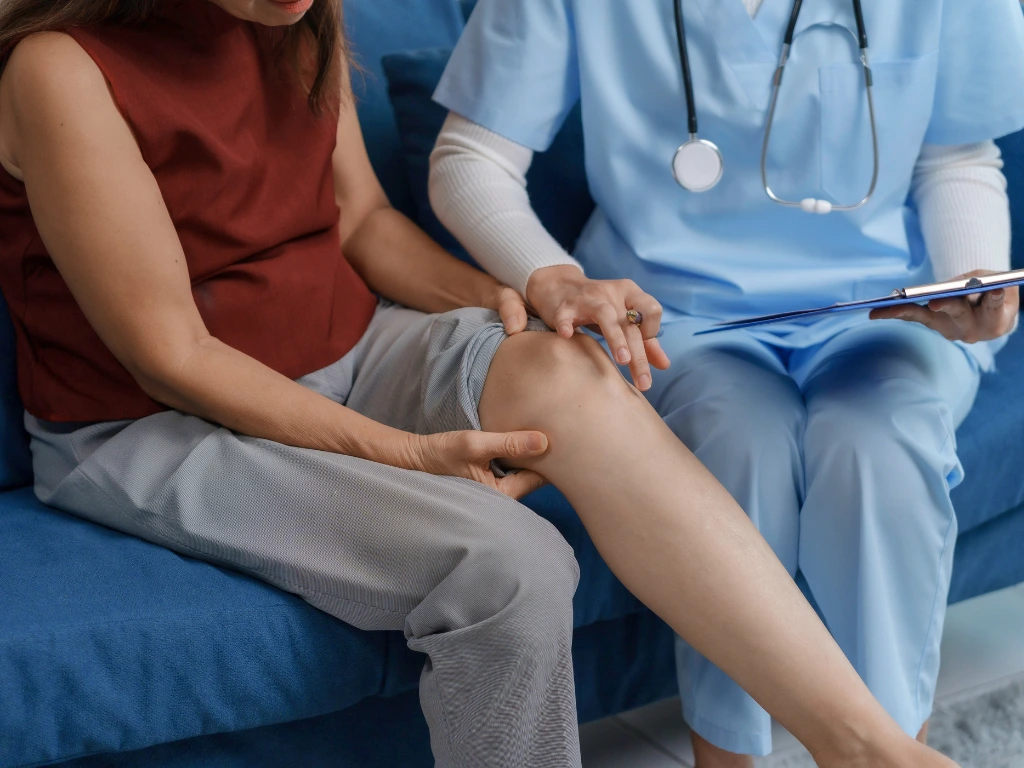
It might not feel like a big deal at first, just a twinge when climbing stairs, or stiffness after sitting for a while. But over time, it starts to linger. Movements that used to feel effortless begin to feel different.
If you’ve noticed this change, you’re not alone. Knee pain is one of the most common joint concerns among women after 40. Understanding why it happens can help you take the right steps before it begins to affect your daily life.
Why Knee Pain Becomes More Common After 40
As we age, our bodies naturally go through changes. For women, these changes are not just related to wear and tear. Hormonal shifts also play a significant role.
Hormonal changes and joint health
Oestrogen helps maintain joint health. As levels decline during perimenopause and menopause, joints may become more vulnerable to inflammation and degeneration.
As a result, movements that once felt effortless may start to feel uncomfortable.
Changes in muscle strength
Over time, muscle mass tends to decrease if it is not actively maintained. The muscles around the knees, especially the quadriceps and hamstrings, play an important role in supporting the joint.
When these muscles weaken, the knee absorbs more stress, which can lead to pain.
Understanding Your Knee Anatomy
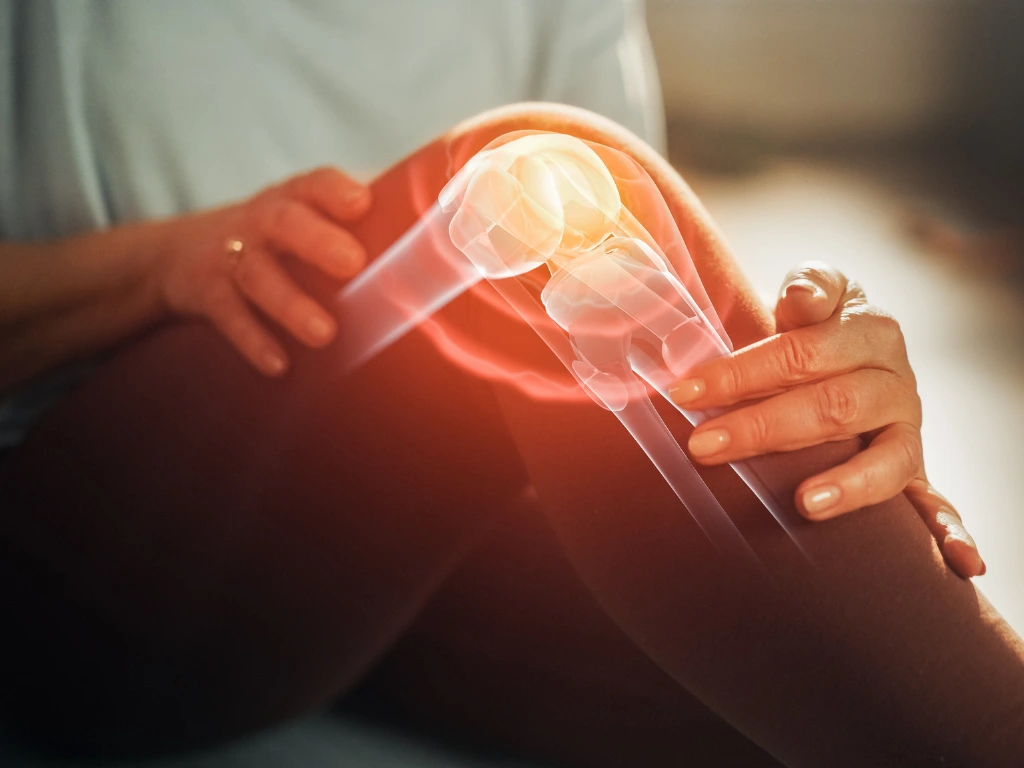
The knee is one of the largest and most heavily used joints in the body. It is made up of bones, cartilage, ligaments, and tendons that work together to support movement and stability.
The cartilage acts as a cushion between bones, allowing smooth movement. Ligaments and muscles provide stability and support.
Because it carries body weight and is involved in almost every movement, from walking to standing, it is especially prone to strain over time..
Common Causes of Knee Pain in Women
Knee pain is rarely caused by a single issue. In many cases, it results from a combination of factors:
Osteoarthritis
Osteoarthritis is one of the leading causes of knee pain, especially after 40. It occurs when cartilage in the knee gradually wears down, leading to pain, stiffness, and reduced mobility. You may notice symptoms such as morning stiffness or discomfort after physical activity.
Weight related stress
Even small increases in body weight can place additional pressure on the knees. Over time, this added load can accelerate joint wear.
Previous injuries
Old injuries, even those that seemed minor at the time, can affect how your knee functions years later. This may lead to uneven movement or ongoing strain.
Lifestyle factors
Prolonged sitting, lack of exercise, and repetitive movements can all contribute to knee discomfort. In addition, wearing unsupportive footwear can also affect how your knees absorb impact.
How Knee Pain Can Affect Daily Life
Knee pain is not just about physical discomfort. Over time, it can affect many parts of a woman’s daily life, often in ways that are easy to overlook at first:
Reduced mobility and independence
Simple activities such as climbing stairs, getting up from a chair, or walking longer distances can become more difficult. As a result, some women may start avoiding movement altogether, which can further weaken the muscles and worsen the problem.
Impact on work and daily responsibilities
For women balancing work, family, and household responsibilities, knee pain can make everyday tasks feel more tiring. Standing for long periods, commuting, or even carrying groceries may become increasingly uncomfortable.
Effects on physical activity and fitness
Knee pain often leads to reduced participation in exercise. While this may feel like a way to avoid discomfort, staying inactive can lead to weight gain and muscle loss, both of which place additional stress on the knees.
Emotional and mental well being
Chronic pain can be frustrating and, at times, discouraging. When movement becomes limited, it may also affect social activities, hobbies, and overall quality of life.
Long term joint health
If left unaddressed, ongoing knee pain may progress into more serious conditions such as osteoarthritis. Early attention and proper care can help slow this progression and preserve joint function.
How to Relieve Knee Pain
The good news is that there are practical and effective ways to manage knee pain.
1. Strengthening exercises
Building strength in the muscles around the knee helps provide better support and reduce strain. Simple exercises such as leg raises, squats, and gentle resistance training can help.
2. Maintaining a healthy weight
Reducing excess weight helps lower the load on your knees. Even small changes can ease pressure and improve comfort.
3. Improving daily habits
Avoid sitting for long periods without movement and be mindful of posture when standing or lifting.
4. Supportive footwear
Shoes with good cushioning and support can help reduce stress on the knees during daily activities.
5. Supplements
Protein supplements help build mass and regular Vitamin D supplements ensure a healthy calcium homeostasis. There is some evidence that magnesium and zinc supplements may also be useful for regenerative healing.
6. Seeking early medical advice
If pain persists, it is important to seek medical advice. Early assessment can help identify underlying conditions and prevent further progression.
How to Prevent Knee Pain as You Age
Looking after your knees early can make a difference later in life.
Focus on maintaining an active lifestyle, strengthening key muscle groups, and keeping your joints flexible. Regular low impact activities such as walking, swimming, or cycling are especially beneficial.
In addition, paying attention to early signs of discomfort allows you to action before the condition worsens.
When to See a Doctor for Knee Pain
While occasional discomfort is common, certain symptoms should not be ignored. You should consider seeing a doctor in Singapore if you experience persistent pain, swelling, instability, or difficulty performing everyday activities.
A proper assessment can help determine whether your symptoms are due to osteoarthritis, injury, or another condition, and guide you towards the right treatment plan.
Moving forward with the Right Support
Knee pain after 40 is common, but it is not something you have to live with. With the right approach, lifestyle adjustments, and timely care, many people are able to stay active and manage their symptoms effectively.
An orthopaedic specialist is trained to assess conditions affecting the joints, movement, and overall musculoskeletal health. In evaluating knee pain, factors such as joint alignment, muscle strength, previous injuries, and daily movement patterns are considered, rather than focusing on symptoms alone.
At Island Orthopaedics Singapore, our specialists take a broader view of your health. Considering how movement, lifestyle, and activity levels work together to provide care that supports long-term joint health and keeps you moving comfortably.

Medically Reviewed by Dr. Gowreeson Thevendran
Consultant Orthopaedic & Trauma Surgeon
Related Articles

When "It Runs in the Family" Deserves a Closer Look
August 14, 2026
Hepatitis: Types, Screening and Prevention in Singapore
July 28, 2026