
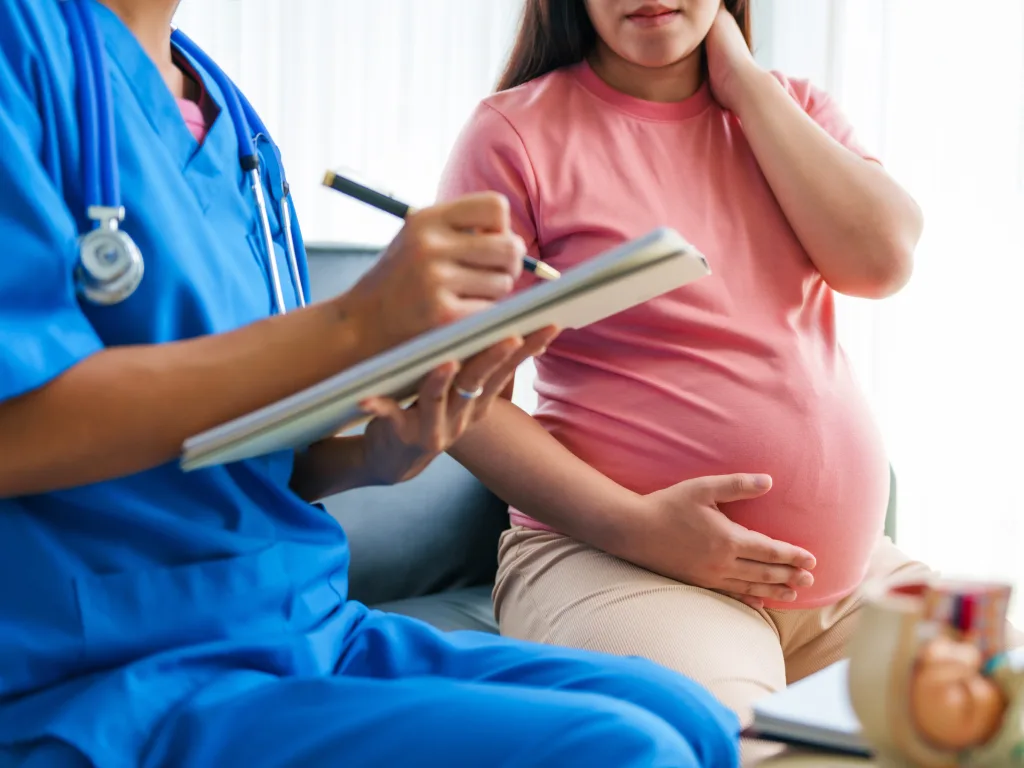
Pregnancy comes with many changes. Some are expected, such as changes in energy levels and food cravings, while others happen quietly behind the scenes.
One lesser-known change is that pregnancy can affect the urinary tract in ways that may make some women more prone to developing a urinary tract infection (UTI).
This does not mean that every pregnant woman will get a UTI. However, understanding why the risk may be higher can help you take simple steps to support your urinary health throughout pregnancy.
While many urinary tract infections are mild and can be treated effectively, they should not be ignored during pregnancy. Early assessment and treatment can help reduce the risk of complications and adverse pregnancy outcomes.
Pregnancy Changes More Than Just the Growing Bump
When most people think about pregnancy, they think about changes to the womb (uterus) and the growing baby.
What many do not realise is that pregnancy also affects the kidneys, bladder, and urinary tract.
As pregnancy progresses, hormones help relax muscles throughout the body. This is important for supporting a healthy pregnancy, but it can also affect how urine moves through the urinary system.
At the same time, the growing womb begins to take up more space in the abdomen, placing additional pressure on nearby organs, including the bladder.
Together, these changes can create conditions that make urinary infections more likely to develop.
5 Pregnancy Changes That May Increase the Risk of a UTI
1. Hormonal Changes Can Slow the Flow of Urine
During pregnancy, levels of progesterone rise significantly.
This hormone helps relax smooth muscles throughout the body, including those found in the urinary tract.
As a result, urine may move more slowly from the kidneys to the bladder. When urine remains in the urinary tract for longer periods, it creates an environment where bacteria can grow more easily.
2. The Growing Uterus Can Put Pressure on the Bladder
As your baby grows, the uterus expands and places increasing pressure on the bladder.
This is one reason many pregnant women find themselves making more trips to the toilet.
In some cases, pressure on the urinary tract may also make it more difficult to empty the bladder completely. Small amounts of urine left behind can create an environment where bacteria may multiply more easily.
3. Pregnancy Can Change the Composition of Urine
Pregnancy can influence the levels of certain substances found in urine.
Changes in glucose levels and urine acidity may create conditions that are more favourable for bacterial growth.
These changes are a normal part of pregnancy, but they can contribute to a higher susceptibility to urinary infections in some women.
4. Some Infections May Not Cause Obvious Symptoms
One of the reasons healthcare professionals pay close attention to urinary health during pregnancy is that some urinary infections do not always cause noticeable symptoms.
Some women may have bacteria present in their urine without experiencing pain, burning or discomfort when urinating. This is known as asymptomatic bacteriuria.
Asymptomatic bacteriuria in a pregnant woman requires antibiotic treatment even when there are no symptoms. If left untreated, it can progress to a kidney infection or contribute to serious complications such as preterm birth. Hence, urine tests are routinely performed during antenatal check-ups even when you feel perfectly well. It is one reason regular antenatal check-ups are important.
5. Frequent Urination Can Make It Harder to Spot a UTI
Needing to urinate more often is one of the most common experiences during pregnancy.
However, frequent urination can also overlap with symptoms commonly associated with UTIs.
This can sometimes make it difficult to tell whether a change is simply part of pregnancy or something worth discussing with a doctor.
Is Frequent Urination Always a Sign of a UTI?

Not necessarily.
Frequent urination is often a normal part of pregnancy, especially during the first and third trimesters.
In early pregnancy, hormonal changes can increase blood flow to the kidneys, leading to more urine production. Later in pregnancy, pressure from the growing uterus can reduce the amount of urine the bladder can comfortably hold.
However, if changes in your urinary habits are accompanied by discomfort, pain, fever, unusual urine appearance or simply do not feel normal for you, it may be worth seeking medical advice.
What Can You Do to Support Urinary Health During Pregnancy?
While not all UTIs can be prevented, a few simple habits may help support urinary tract health:
- Drink enough water throughout the day
- Avoid holding in urine for prolonged periods
- Empty your bladder fully when you visit the toilet
- Wipe from front to back after using the toilet
- Wear breathable cotton underwear
- Avoid heavily scented intimate hygiene products that may cause irritation
These small daily habits can help support overall urinary health during pregnancy.
When Should You Speak to a GP?
Pregnancy can make it difficult to know which changes are expected and which may require medical attention.
Speak to a doctor promptly if you experience burning or pain when passing urine, cloudy or foul-smelling urine, blood in the urine, or lower abdominal pain.
Seek urgent medical attention if you develop fever, chills, back or flank (side) pain, nausea or vomiting, as these may be signs that the infection has spread to the kidneys and requires prompt treatment.
Early assessment can help identify potential issues and provide peace of mind throughout your pregnancy journey.
The Bottom Line
While pregnancy can increase the likelihood of developing a UTI, most women will not experience serious complications. Understanding the changes that occur during pregnancy and adopting simple healthy habits can help support urinary health throughout your pregnancy journey.
If you have concerns about urinary symptoms during pregnancy, speak to a GP for appropriate assessment and guidance.
Related Doctor

Dr Weng Chao
General Practitioner BSc Biochemistry (University of Wisconsin–Madison), MSc Molecular and Cellular Pharmacology (University of Wisconsin–Madison), MD (Duke-NUS, Singapore)Related Clinic

Healthway Medical (Ang Mo Kio Ave 10)


Related Articles

Adult Vaccination Costs in Singapore: Subsidies and MediSave Explained
October 06, 2026
CHAS, Healthier SG and MediSave: What’s the Difference?
September 28, 2026