

Rheumatoid arthritis (RA) is a long-term autoimmune condition that causes inflammation in the joints. It commonly affects the hands, wrists and feet, and may cause pain, swelling and stiffness, especially in the morning.
Early assessment and treatment can help control inflammation and reduce the risk of lasting joint damage. If you have persistent joint swelling or stiffness, a GP can assess your symptoms and advise whether you should see a specialist.
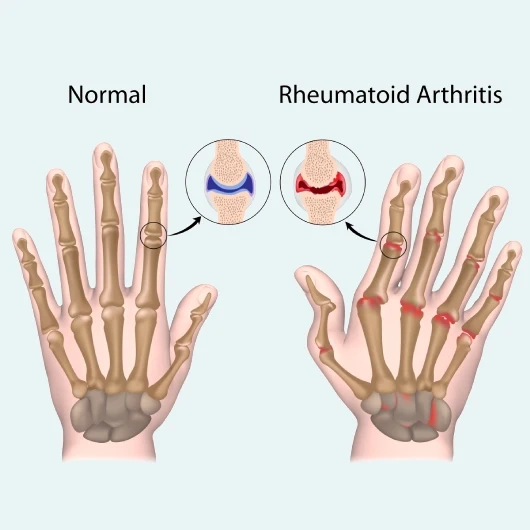
What Is Rheumatoid Arthritis?
Rheumatoid arthritis happens when the body's immune system mistakenly attacks the joints. This causes inflammation, which can lead to pain, swelling and stiffness. Over time, uncontrolled inflammation may damage the cartilage and bone around the joints.
RA often affects several joints, including the small joints of the hands and feet. It may affect joints on both sides of the body. It can also affect other parts of the body, such as the eyes, skin, lungs or heart.
Symptoms of Rheumatoid Arthritis
Symptoms vary from person to person and may come and go. Common symptoms include:
- Joint pain, tenderness or swelling, especially in the hands, wrists, feet or ankles
- Joint stiffness, particularly in the morning or after resting
- Similar joints affected on both sides of the body, such as both hands or both wrists
- Warmth around affected joints or difficulty moving them
- Fatigue or feeling generally unwell, sometimes with a reduced appetite
Symptoms may develop gradually or appear over a shorter period. Persistent joint swelling should be assessed, even if the pain is mild.
Who Is More Likely to Develop Rheumatoid Arthritis?
RA can affect people at any age. The exact cause is not known, but some factors are associated with a higher chance of developing it. These include being female, having a family history of RA and smoking. Having one or more of these factors does not mean that you will develop RA.
Talk to a Healthway Medical GPHow Is Rheumatoid Arthritis Diagnosed?
There is no single test that can confirm or rule out rheumatoid arthritis. Your doctor will ask about your symptoms and medical history, examine your joints and may recommend further tests if RA is suspected.
Blood Tests
Blood tests may check for inflammation and antibodies such as rheumatoid factor (RF) and anti-cyclic citrullinated peptide (anti-CCP). These results can support a diagnosis, but a positive result alone does not confirm RA, and some people with RA may not have these antibodies.
Imaging Tests
An X-ray, ultrasound or other imaging test may be used to look for inflammation or joint damage. Imaging can also help assess how the condition changes over time.
Other Tests
If a joint is very swollen, your doctor may recommend taking a sample of joint fluid to check for infection or other causes. The tests recommended will depend on your symptoms and examination.
Managing Rheumatoid Arthritis

Treatment aims to control inflammation, relieve symptoms, protect the joints and help you stay active. Your treatment plan depends on your symptoms, test results, overall health and response to treatment.
How Rheumatoid Arthritis May Be Managed
Medicines
Disease-modifying anti-rheumatic drugs (DMARDs) help control rheumatoid arthritis (RA), reduce inflammation and lower the risk of lasting joint damage. Common examples include methotrexate, hydroxychloroquine, sulfasalazine and leflunomide. Some people may need biologic or targeted medicines if their condition is not adequately controlled.
Other medicines, including painkillers, anti-inflammatory medicines or corticosteroids, may be used to relieve pain and inflammation in selected cases. However, these do not replace DMARD treatment when medicines to control the disease are needed. Take medicines only as prescribed and speak to your doctor before changing or stopping them. Some RA medicines require regular blood tests to monitor for side effects.
Exercise and Everyday Support
Suitable physical activity can help maintain joint movement, strength and overall health. A physiotherapist or occupational therapist can suggest ways to protect your joints and manage daily activities. Balance activity with rest, especially during a flare.
Not smoking, maintaining a healthy weight and eating a balanced diet can support overall health. Check with your doctor before taking supplements or trying complementary treatments, as these may interact with your medicines.
When to Seek Medical Attention
Arrange a medical review if you have persistent joint pain, swelling or morning stiffness, or if these symptoms keep returning or begin to affect your daily activities.
Seek urgent medical attention if a joint suddenly becomes very painful, hot and swollen, particularly if you also have a fever or feel unwell. These symptoms may indicate a joint infection or another condition that requires prompt assessment.
Rheumatoid Arthritis Care at Your GP

A GP can assess joint symptoms, consider other possible causes and advise whether further tests or specialist review may be needed.
Your GP can help by:
- Taking a history and examining your joints
- Arranging initial investigations where appropriate
- Referring you for specialist assessment if RA is suspected or further care is needed
- Supporting follow-up and helping coordinate your care
- Reviewing other health needs and your medicines with your care team
Early specialist assessment is important if RA is suspected, as timely treatment can help reduce the risk of joint damage. Ongoing care may involve a rheumatologist, GP and other healthcare professionals, depending on your needs.
Using MediSave for Rheumatoid Arthritis Care
Rheumatoid arthritis is covered under Singapore’s Chronic Disease Management Programme (CDMP). Eligible patients may use MediSave for approved outpatient rheumatoid arthritis care at MediSave-accredited clinics, subject to prevailing withdrawal limits and eligibility requirements1.
Singapore Citizens and Permanent Residents receiving CDMP treatment at their enrolled Healthier SG clinic can use MediSave to pay eligible bills up to the prevailing withdrawal limits without the usual 15% cash co-payment1. CHAS, Pioneer Generation and Merdeka Generation subsidies may also apply2.
From 1 January 2027, the annual MediSave limits will increase to $700 for patients with simple chronic care needs and $1,000 for those with complex chronic care needs. The higher limit applies to patients treated for two or more CDMP conditions, or for at least one CDMP condition with a recognised complication3.
All Healthway Medical GP clinics are accredited CDMP providers. Please check with the clinic team regarding your eligibility, available subsidies and payment options.
Find a Healthway Medical Clinic Near YouFrequently Asked Questions About Rheumatoid Arthritis
Early symptoms may include pain, swelling and stiffness in the hands, wrists or feet. Stiffness is often worse in the morning or after resting, and similar joints on both sides of the body may be affected. Fatigue can also occur.
Rheumatoid arthritis is an autoimmune condition that causes inflammation in the joints. Osteoarthritis involves changes to the joint and surrounding tissues over time. Both can cause joint pain and stiffness, so a medical assessment may be needed to identify the cause.
There is currently no cure for RA, but treatment can control inflammation, ease symptoms and reduce the risk of joint damage. Many people manage the condition with ongoing treatment and follow-up.
Yes. RA can affect areas beyond the joints, including the eyes, skin, lungs or heart. Tell your doctor about new or changing symptoms so they can advise whether further assessment is needed.
Blood tests can look for inflammation and antibodies associated with RA, but no single blood test confirms or excludes the condition. Diagnosis is based on your symptoms, examination and test results, and may involve a rheumatologist.
Suitable exercise can help maintain muscle strength, joint movement and general wellbeing. A doctor or physiotherapist can advise on activities that match your symptoms and abilities, including what to do during a flare.
You can start by speaking to a GP. If rheumatoid arthritis (RA) is suspected, you may be referred to a rheumatologist for further assessment and treatment. If you have joint problems related to RA, an orthopaedic specialist may also help assess joint damage and discuss suitable non-surgical or surgical treatment where appropriate.
If you’re looking for an orthopaedic specialist in Singapore, Island Orthopaedics provides specialist care for bone, joint, muscle and spine conditions. Its specialists can assess joint problems associated with RA and discuss appropriate treatment options where suitable.
References
- Ministry of Health Singapore. Outpatient Care. Available at: https://www.moh.gov.sg/managing-expenses/schemes-and-subsidies/medisave/outpatient-care/
- Ministry of Health Singapore. Community Health Assist Scheme (CHAS). Available at: https://www.moh.gov.sg/managing-expenses/schemes-and-subsidies/chas/
- Ministry of Health Singapore, Health Professionals Portal. MediSave for the Chronic Disease Management Programme (CDMP). Available at: https://hpp.moh.gov.sg/guidelines/medisave-for-chronic-disease-management-programme/