

Osteoporosis is a condition that gradually weakens bones, making them more fragile and more likely to break. As bone loss does not usually cause noticeable symptoms in its early stages, many people only discover that they have osteoporosis after suffering a fracture or when they take a bone density test.
Fractures related to osteoporosis are usually a consequence of a fall, and commonly affect the hip, spine and wrist. Apart from causing pain, these fractures can affect one’s mobility, independence and everyday activities.
Knowing your risk, maintaining good bone health and starting treatment when needed can help reduce the chance of future fractures.
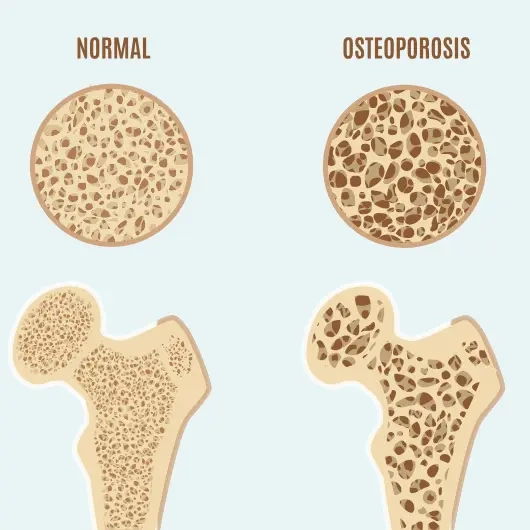
What Is Osteoporosis?
Bones are living tissue that are continually being renewed throughout one’s lifetime, when old bone cells and tissue are broken down and renewed.
Osteoporosis develops when bone loss becomes greater than the body's ability to replace it. Over time, bones become less dense and weaker, making them more likely to fracture.
A fragility fracture is a fracture that happens after minimal trauma, such as a fall from standing height or lower, or sometimes without an obvious injury. Fragility fractures commonly involve the hip, spine, wrist, pelvis or upper arm.
Osteoporosis is different from osteopenia. Osteopenia means that bone mineral density is lower than normal but has not reached the level used to diagnose osteoporosis. However, some people with osteopenia may still have a higher risk of fractures depending on their age and other risk factors.
Symptoms of Osteoporosis
Osteoporosis is sometimes called a silent disease because bone loss itself usually does not cause symptoms.
Many people feel well and do not know that their bones have weakened until a fracture happens.
When osteoporosis has caused a fracture, you may notice:
- Back pain, particularly if a bone in the spine has fractured
- A fracture after a minor fall or relatively small impact
Besides fractures, slow gradual changes to the body may happen too. Such as:
- Loss of height over time
- A more stooped or hunched posture
Not every episode of back pain or gradual loss of height is a result of osteoporosis. A doctor can do an assessment your symptoms and advise on an appropriate evaluation.
Who Is More Likely to Develop Osteoporosis?
The risk of osteoporosis generally increases with age. Women are particularly at risk after menopause because falling oestrogen levels can accelerate bone loss, although osteoporosis also affects men.
You may have a higher risk if you:
- Are a postmenopausal woman or a man aged 65 years or above
- Experienced early menopause, at age 45 or younger
- Have a family history of osteoporosis or fragility fractures
- Have had a fragility fracture, frequent falls or prolonged immobility
- Have a low body mass index or do not get enough calcium
- Smoke or drink alcohol excessively
- Take certain medications that may affect bone health, such as long-term corticosteroids
- Have medical conditions that may affect bone strength, such as hyperthyroidism, rheumatoid arthritis, chronic kidney disease or conditions affecting nutrient absorption
Having one or more risk factors does not necessarily mean that you have osteoporosis. Your doctor can assess your overall fracture risk and advise whether a bone density test is appropriate.
How Is Osteoporosis Diagnosed?
Depending on your risk, assessments may include:
A bone mineral density (BMD) test, usually performed using a DXA or DEXA scan, measures the density of your bones. The scan commonly measures the hip and spine and is the standard test used to help diagnose osteoporosis.
The result may include a T-score, which compares your bone density with that of a healthy young adult.
Generally:
- A T-score of -1.0 or above is considered within the normal range
- A T-score between -1.0 and -2.5 is described as low bone mass or osteopenia
- A T-score of -2.5 or lower may indicate osteoporosis
Osteoporosis may also be diagnosed if you have had a fragility fracture, even if your bone density result does not fall within the osteoporosis range.
Blood tests do not diagnose osteoporosis by themselves. However, your doctor may recommend tests to look for conditions that could contribute to bone loss, such as vitamin D deficiency, kidney problems, abnormal calcium levels or thyroid disorders.
Your doctor may also assess your likelihood of developing a fracture based on factors such as your age, weight, bone density, medical conditions and fracture history.
Tools such as the Fracture Risk Assessment Tool (FRAX) may be used to estimate the chance of a hip or major osteoporotic fracture over the next 10 years.
Who Should Consider Screening for Osteoporosis?
A bone density scan is not routinely recommended for everyone. In Singapore, whether you need one depends on your age and risk of osteoporosis.
For Asian women, osteoporosis risk assessment using the Osteoporosis Self-Assessment Tool for Asians (OSTA) should begin from age 50 or after menopause, whichever is earlier. OSTA uses age and weight to help determine whether a bone mineral density (BMD) scan should be considered.
For men, osteoporosis risk assessment should generally begin from age 65. Your doctor will consider factors such as your medical history, previous fractures, family history, medications and lifestyle when deciding whether a BMD scan is appropriate.
Osteoporosis risk may also need to be assessed earlier if you have significant risk factors for bone loss. Risk assessment should generally be considered every five years, although this does not necessarily mean that a BMD scan is required each time.
Managing Osteoporosis
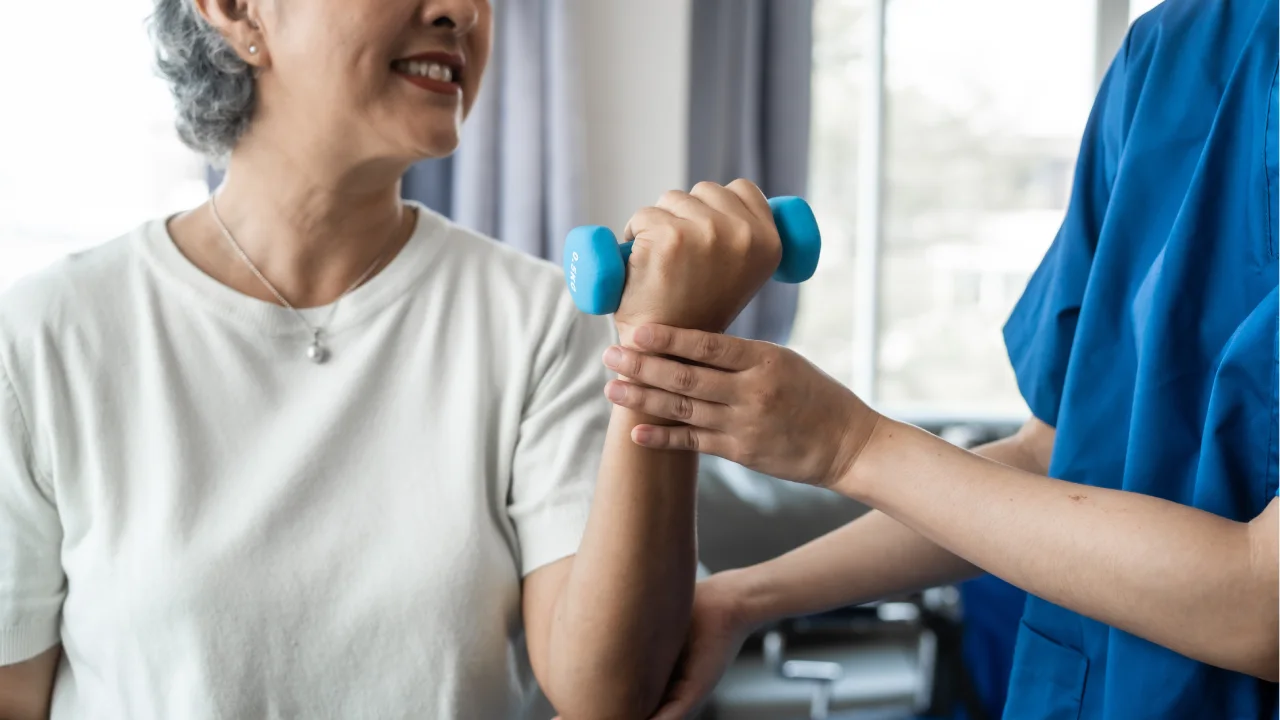
Managing osteoporosis aims to maintain bone strength and, most importantly, reduce the risk of fractures.
How Osteoporosis May Be Managed
Calcium and Vitamin D
Getting enough calcium and vitamin D is important for maintaining bone health.
Singapore's ACE guideline recommends an elemental calcium intake of approximately:
- 800 mg a day for adults aged 19 to 50
- 1,000 mg a day for adults aged 51 and above
Where possible, calcium should come from foods such as dairy products, calcium-fortified foods, tofu and green leafy vegetables. Your doctor may recommend calcium or vitamin D supplements if your dietary intake or vitamin D level is insufficient.
Physical Activity
Regular weight-bearing, muscle-strengthening and balance exercises can support bone strength, muscle function and balance.
Suitable activities may include walking, resistance exercises using bands or weights, bodyweight exercises and Tai Chi. If you have already been diagnosed with osteoporosis or have had a fracture, speak to your doctor or physiotherapist about exercises that are suitable for you.
Preventing Falls
Reducing the chance of falling is an important part of preventing fractures.
Simple steps include keeping walkways at home clear, wearing well-fitting non-slip footwear, having your eyesight checked, exercising regularly and reviewing medications that may contribute to dizziness or poor balance.
Medication
If your fracture risk is high, lifestyle changes alone may not be enough.
Your doctor may recommend osteoporosis medication that slows bone loss or helps strengthen bone. This may include medicines such as bisphosphonates, injectable treatments or, for selected patients at very high fracture risk, bone-building treatments.
Do not stop or change osteoporosis medication without speaking to your doctor. Some treatments require careful planning if they are delayed or discontinued.
When to Seek Medical Attention
- You have had a fracture after a minor fall or low-impact injury
- You notice yourself losing height
- You develop persistent or unexplained back pain
- You have several osteoporosis risk factors
- You take long-term medications that may affect bone strength
- You are concerned about frequent falls or poor balance
- You would like to know whether a bone density test is suitable for you
Seek urgent medical attention if you develop severe pain or are unable to stand or walk after a fall, or if severe back pain is accompanied by new weakness or numbness in the legs, or difficulty controlling your bladder or bowels.
Osteoporosis Care at Your GP

A GP can help identify osteoporosis risk early and provide long-term management support.
Your GP can help by:
- Assessing your osteoporosis and fracture risk and reviewing factors that may affect bone health
- Advising whether a bone density scan or other tests are appropriate
- Providing advice on calcium, vitamin D, exercise and fall prevention
- Starting or monitoring osteoporosis treatment where appropriate
- Referring you to a specialist if further assessment or treatment is needed
Regular follow-up remains important even if you feel well. Osteoporosis often does not cause symptoms, and your fracture risk or treatment needs may change over time.
Using MediSave for Osteoporosis Care
Osteoporosis is covered under Singapore's Chronic Disease Management Programme (CDMP). Eligible patients may use MediSave for approved outpatient osteoporosis care at MediSave-accredited clinics, subject to prevailing withdrawal limits and eligibility requirements1.
Singapore Citizens and Permanent Residents receiving CDMP treatment at their enrolled Healthier SG clinic can use MediSave to pay eligible bills up to prevailing limits without the usual 15% cash co-payment1. CHAS, Pioneer Generation and Merdeka Generation subsidies may also apply2.
From 1 January 2027, the MediSave annual withdrawal limits for chronic and preventive care will increase from $500 to $700 for patients with simple chronic care needs, and from $700 to $1,000 for those with complex chronic care needs3.
All Healthway Medical GP clinics are accredited CDMP providers. Please check with the clinic team regarding your eligibility, available subsidies and payment options.
Find a Healthway Medical Clinic Near YouFrequently Asked Questions About Osteoporosis
Osteopenia means your bone density is lower than normal but has not reached the level used to diagnose osteoporosis.
People with osteopenia can still have an increased fracture risk, particularly when other risk factors are present. Your doctor will consider your bone density together with your age, medical history and overall fracture risk when recommending treatment.
A DXA scan, sometimes written as DEXA, is a low-dose X-ray test used to measure bone mineral density, usually at the hip and spine. It is the standard test used to help diagnose osteoporosis and assess fracture risk.
Osteoporosis is generally managed as a long-term condition rather than considered permanently cured. Treatment can slow bone loss, improve bone strength in some people and significantly reduce the risk of fractures. Continuing treatment and follow-up as advised by your doctor is important even when you feel well.
Yes. Physical activity is generally an important part of osteoporosis management. Weight-bearing, muscle-strengthening and balance exercises can help maintain bone and muscle strength and reduce risk of falls.
If you have severe osteoporosis, a previous fracture or problems with balance, ask your doctor or physiotherapist which exercises are appropriate before starting a new programme.
Getting enough calcium and vitamin D, staying physically active, not smoking and limiting alcohol can help maintain bone health and reduce the risk of osteoporosis and fractures.
Milk and dairy products are good sources of calcium, but milk alone cannot prevent osteoporosis. Other sources include tofu, green leafy vegetables and calcium-fortified foods. Weight-bearing, muscle-strengthening and balance exercises are also important.
Speak to your doctor before taking calcium or vitamin D supplements, as they may not be necessary or suitable for everyone.
If you have osteoporosis, a history of fractures or risk factors that require a closer look, an endocrinologist can help assess your bone health. They can review possible causes of bone loss, arrange appropriate tests and recommend treatment based on your condition.
If you’re looking for an endocrinologist in Singapore, Nobel Diabetes, Thyroid & Endocrine Centre provides specialist care for hormonal and metabolic conditions, including osteoporosis. The specialist can assess your bone health, review contributing medical conditions and recommend appropriate treatment and follow-up where needed.
References
- Ministry of Health Singapore, Health Professionals Portal. MediSave for the Chronic Disease Management Programme. Available at: https://hpp.moh.gov.sg/guidelines/medisave-for-chronic-disease-management-programme/
- Ministry of Health Singapore. Community Health Assist Scheme. Available at: https://www.moh.gov.sg/managing-expenses/schemes-and-subsidies/chas/
- Ministry of Health Singapore. Ensuring Sustainable Support for Seniors’ Healthcare Needs. 17 August 2026. Available at: https://www.moh.gov.sg/newsroom/ensuring-sustainable-support-for-seniors--healthcare-needs/