

Chest discomfort that appears during physical activity and improves with rest should not be ignored.
Stable ischaemic heart disease is a form of ischaemic heart disease (IHD). It develops when the heart does not always receive enough oxygen-rich blood. It may cause a recurring pattern of chest discomfort, known as angina, particularly during physical activity or emotional stress.
IHD is a broader term used to describe different forms of heart disease caused by reduced blood flow to the heart, including stable and unstable angina and previous myocardial infarction.
Although the condition is described as “stable”, it still requires long-term care. Treatment can help relieve symptoms, support daily activities and reduce the risk of a heart attack and other cardiovascular complications.
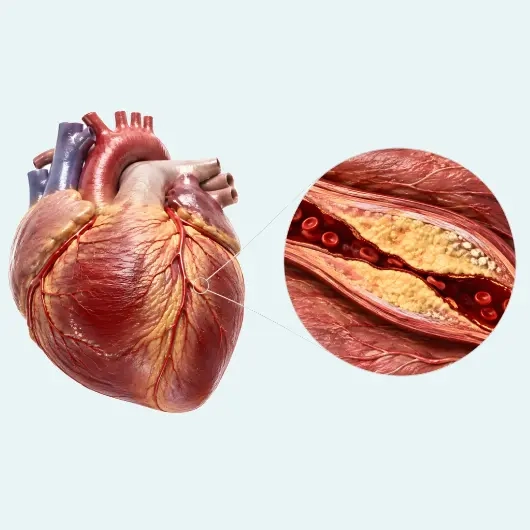
What Is Stable Ischaemic Heart Disease?
Stable ischaemic heart disease is a long-term condition affecting blood supply to the heart. It is also known as chronic coronary syndrome or stable coronary artery disease.
The coronary arteries are responsible for supplying oxygen-rich blood to the heart. Stable ischaemic heart disease commonly develops when fatty deposits called plaque builds up inside these arteries. This causes the arteries to narrow, reducing blood flow to the heart1.
“Ischaemia” means that part of the body is not receiving enough blood and oxygen. When the heart needs more oxygen during physical activity or stress, the reduced blood flow may cause chest discomfort known as angina.
The word “stable” generally means that symptoms follow a recognisable pattern. For example, they may occur during brisk walking or climbing stairs and improve after resting. It does not mean that the condition is harmless or cannot change.
Symptoms of Stable Ischaemic Heart Disease
The most common symptom is angina.
Angina may feel like:
- Pressure, tightness, heaviness or squeezing in the chest
- Discomfort spreading to the arm, shoulder, neck, jaw or back
- Shortness of breath
- Reduced ability to exercise or carry out usual activities
- Unusual tiredness
- Nausea, sweating or light-headedness
Stable angina is commonly triggered by physical exertion or emotional stress. It usually improves within a few minutes of resting or using glyceryl trinitrate medication as prescribed.
Some people may have mild or less typical symptoms, while others may not notice any symptoms even when blood flow to the heart is reduced.
Who Is More Likely to Develop Stable Ischaemic Heart Disease?
Stable ischaemic heart disease usually develops gradually. Your lifestyle, age, family history and existing health conditions can all affect your risk.
Lifestyle factors that may increase your risk include:
- Smoking
- Insufficient physical activity
- Eating a diet high in saturated or trans fats
- Being overweight
- Drinking too much alcohol
You may also be more likely to develop the condition if you:
- Are getting older
- Have a family history of early heart disease
- Have high blood pressure
- Have high cholesterol
- Have diabetes
- Have chronic kidney disease
Having one or more risk factors does not mean that you have stable ischaemic heart disease. Your doctor can assess your symptoms and advise whether further tests are needed.
How Is Stable Ischaemic Heart Disease Diagnosed?
Your doctor will ask about your symptoms and medical history, examine you and assess cardiovascular risk factors such as high blood pressure, high cholesterol, diabetes and smoking.
Depending on your symptoms and overall risk, tests may include:
Blood tests may be used to check your cholesterol, blood sugar, kidney function and other conditions that could affect your heart health.
An electrocardiogram, or ECG, records the electrical activity of your heart. A resting ECG may identify certain heart problems, although a normal result does not always rule out stable ischaemic heart disease.
An echocardiogram uses sound waves to examine the structure of your heart and how well it pumps.
A stress test assesses how your heart responds when it works harder. This may involve exercising on a treadmill or using medication to increase the workload on your heart. Imaging may sometimes be performed at the same time.
Coronary CT angiography is a non-invasive scan that helps doctors examine the coronary arteries for plaque or narrowing.
Coronary angiography uses contrast dye and X-rays to examine blood flow through the coronary arteries. It is an invasive test and may be recommended when more detailed information is needed or when treatment with angioplasty may be considered.
Not everyone requires every test. Your doctor or cardiologist will recommend investigations based on your symptoms, medical history and likelihood of coronary artery disease.
Managing Stable Ischaemic Heart Disease

Managing stable ischaemic heart disease aims to relieve symptoms, help you remain active and reduce the risk of a heart attack and other cardiovascular complications.
How Stable Ischaemic Heart Disease May Be Managed
Treatment may include lifestyle changes, medication and, for some people, a procedure to improve blood flow to the heart.
Lifestyle Changes
A heart-healthy diet, stopping smoking and maintaining a healthy weight can help reduce cardiovascular risk. It is also important to manage related conditions such as high blood pressure, high cholesterol and diabetes.
If your doctor considers exercise suitable, start gradually and work towards at least 150 minutes of moderate-intensity physical activity each week. Do not exercise when experiencing any chest discomfort2.
Medication
Your doctor may prescribe medication to:
- Prevent or relieve angina symptoms
- Lower cholesterol and reduce cardiovascular risk
- Reduce the risk of harmful blood clots
Take your medication as prescribed. Do not start aspirin or stop any heart medication without medical advice, particularly if you have previously had a coronary stent.
Procedures to Improve Blood Flow
If symptoms continue despite medication, or tests show significant narrowing of the coronary arteries, a cardiologist may recommend:
Coronary angioplasty and stenting to widen a narrowed artery | Coronary artery bypass surgery to redirect blood around narrowed or blocked arteries |
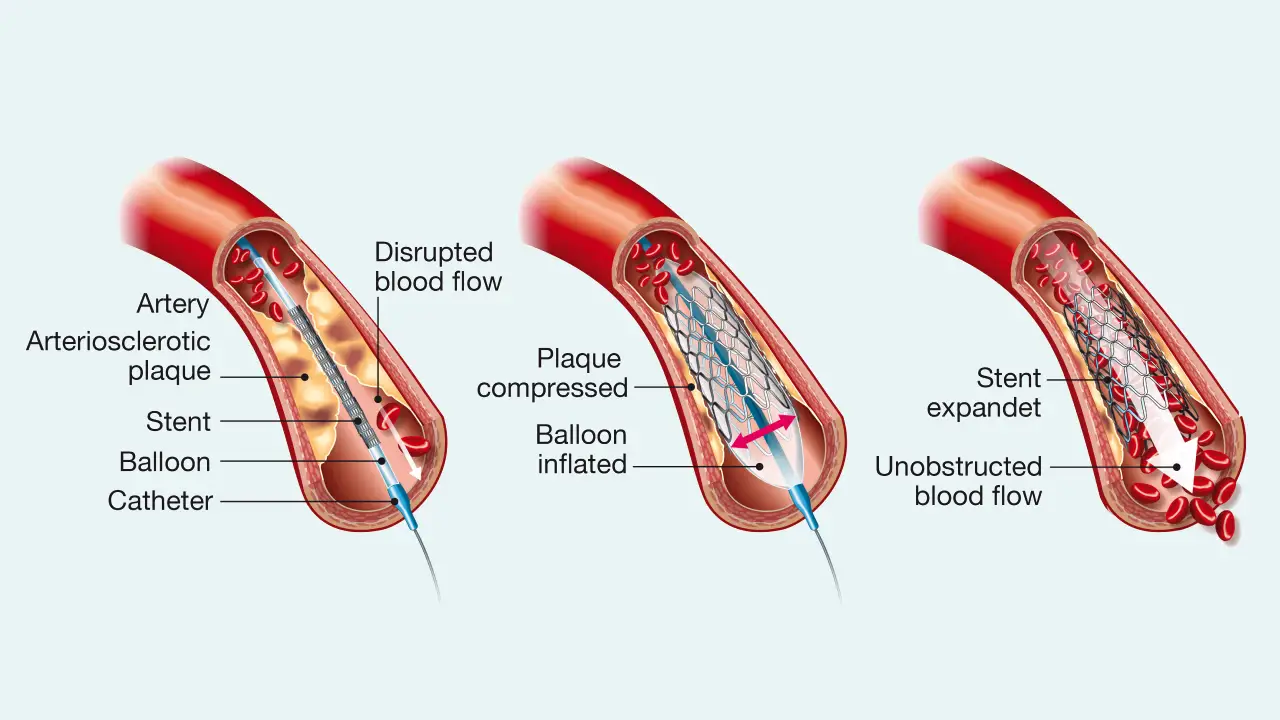
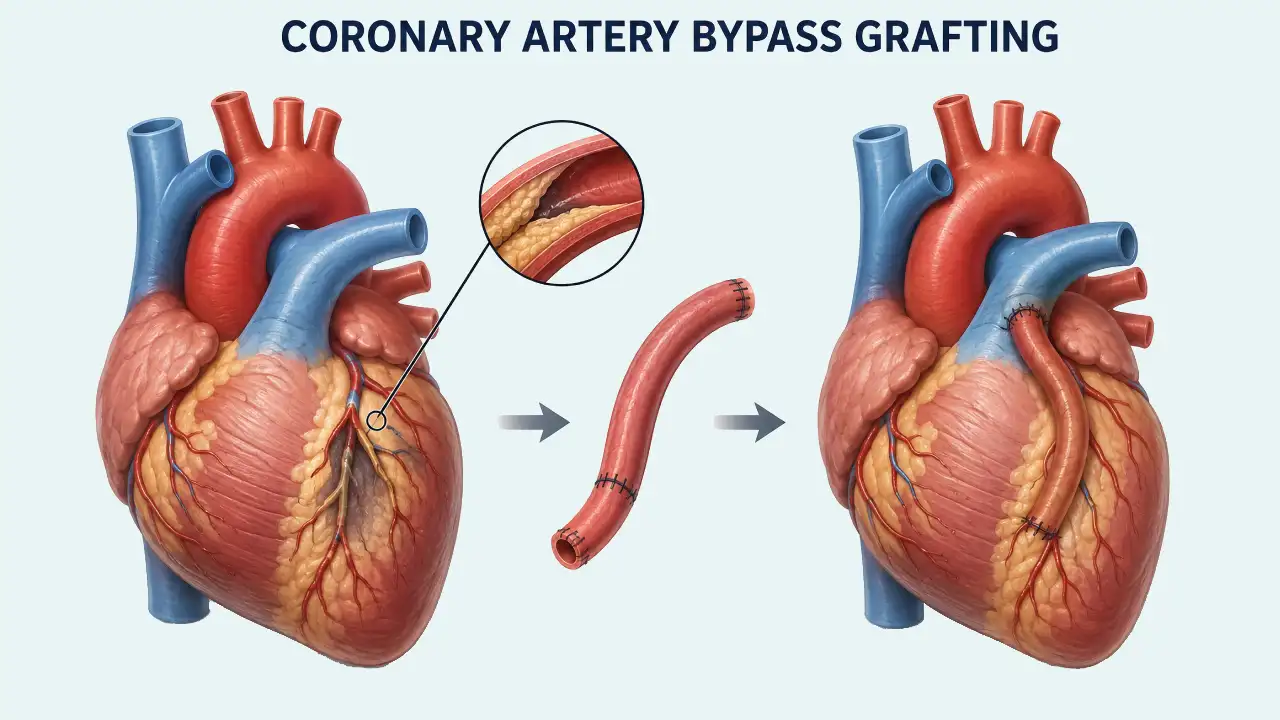
Not everyone requires a procedure. Lifestyle changes and medication usually remain important after angioplasty or surgery.
When to Seek Medical Attention
Speak to a doctor if you develop chest discomfort during physical activity, unexplained shortness of breath, reduced exercise tolerance, changes in your experience of angina or concerns about your heart medication.
Seek emergency medical attention and call 995 if chest discomfort:
- Is severe, new or occurs while resting
- Lasts longer than 15 minutes or does not improve with rest or prescribed angina medication
- Is more intense or different from your usual symptoms
- Spreads to your arms, shoulders, jaw, neck or back, or occurs with shortness of breath, cold sweats, nausea or light-headedness
These may be signs of a heart attack. Do not drive or take yourself to the hospital.
Stable Ischaemic Heart Disease Care at Your GP

A GP can support the initial assessment and long-term management of stable ischaemic heart disease. This is often done collaboratively with a cardiologist.
Your GP can help by:
- Assessing your symptoms, arranging initial tests and referring you to a cardiologist where needed
- Monitoring your symptoms and related conditions such as high blood pressure, high cholesterol and diabetes
- Reviewing your medication, possible side effects and how to take it safely
- Providing practical support with smoking cessation, suitable physical activity and weight management
- Coordinating ongoing care after angioplasty or heart surgery
Regular follow-up remains important even when your symptoms are well controlled. It allows your doctor to identify changes in your condition, review your treatment and manage related health concerns.
Using MediSave for Stable Ischaemic Heart Disease Care
Ischaemic heart disease is covered under Singapore’s Chronic Disease Management Programme (CDMP)3.
Eligible patients may use MediSave for approved outpatient care at MediSave-accredited clinics, subject to prevailing withdrawal limits and eligibility requirements.
Singapore Citizens and Permanent Residents receiving CDMP treatment at their enrolled Healthier SG clinic can use MediSave to pay eligible bills up to the prevailing withdrawal limits without the 15% cash co-payment4. CHAS, Pioneer Generation and Merdeka Generation subsidies may also apply5.
From 1 January 2027, the MediSave limits for chronic and preventive care will increase to $700 a year for patients with simple chronic care needs and $1,000 for those with complex chronic care needs6.
All Healthway Medical GP clinics are accredited CDMP providers. Please check with the clinic team regarding your eligibility, available subsidies and payment options.
Find a Healthway Medical Clinic Near YouFrequently Asked Questions About Stable Ischaemic Heart Disease
Stable ischaemic heart disease is a chronic form of coronary artery disease. Coronary artery disease is a broader term that includes both stable disease and acute conditions such as a heart attack.
Stable angina usually follows a familiar pattern. It is commonly triggered by physical activity and improves with rest or prescribed angina medication.
A heart attack occurs when blood flow to part of the heart is suddenly and severely reduced or blocked. The discomfort may be stronger, occur at rest, or persist despite rest. Call 995 for emergency services if you suspect a heart attack.
Yes. Some people experience breathlessness, reduced exercise tolerance or unusual tiredness rather than chest pain. Others may have no noticeable symptoms. This is sometimes called silent ischaemia.
Not every case can be prevented, but you can reduce your risk by not smoking, eating a heart-healthy diet, staying physically active and maintaining a healthy weight. Managing high blood pressure, high cholesterol and diabetes is also important2.
Ischaemic heart disease is not always inherited, but having a close relative with early heart disease may increase your risk. Lifestyle factors and conditions such as high blood pressure, high cholesterol and diabetes also play an important role1.
Stable ischaemic heart disease is usually a long-term condition, but it can often be managed. Lifestyle changes, medication and procedures where needed can relieve symptoms and reduce cardiovascular risk.
Many people with stable and well-managed disease can remain physically active. However, your exercise plan should be appropriate for your symptoms and health. Ask your doctor for advice, start gradually and do not exercise through chest discomfort.
Coronary artery bypass surgery is a major operation. Possible risks include bleeding, infection, an irregular heartbeat, temporary kidney problems or a heart attack. The level of risk differs between patients and depends on factors such as age, overall health and the severity of the heart condition. Your surgeon will discuss the expected benefits and risks with you before surgery.
If you have symptoms of heart disease, risk factors or concerns about your heart health that require a closer look, a cardiologist can help evaluate your heart health. They can assess your symptoms, carry out appropriate heart tests and recommend treatment based on your condition.
If you’re looking for a cardiologist in Singapore, Nobel Heart Centre provides specialist care for a range of heart conditions, including coronary artery disease. The centre offers a range of heart tests, including ECGs, echocardiograms, angiography and stress tests, as well as procedures such as angioplasty and stenting when needed.
References
- SingHealth. Coronary Artery Disease: Symptoms, Causes and Risk Factors, Diagnosis and Treatment. Available at: https://www.singhealth.com.sg/symptoms-treatments/coronary-artery-disease
- Agency for Care Effectiveness (ACE), Ministry of Health Singapore. Management of Chronic Coronary Syndrome. ACE Clinical Guideline. Published 26 March 2025; last updated 30 July 2026. Available at: https://www.ace-hta.gov.sg/healthcare-professionals/acg/management-of-chronic-coronary-syndrome-acg/
- Ministry of Health Singapore, Health Professionals Portal. MediSave for the Chronic Disease Management Programme. Available at: https://hpp.moh.gov.sg/guidelines/medisave-for-chronic-disease-management-programme/
- Ministry of Health Singapore. Outpatient Care. Available at: https://www.moh.gov.sg/managing-expenses/schemes-and-subsidies/medisave/outpatient-care/
- Ministry of Health Singapore. Community Health Assist Scheme. Available at: https://www.moh.gov.sg/managing-expenses/schemes-and-subsidies/chas/
- Ministry of Health Singapore. Ensuring Sustainable Support for Seniors’ Healthcare Needs. 17 August 2026. Available at: https://www.moh.gov.sg/newsroom/ensuring-sustainable-support-for-seniors--healthcare-needs/