
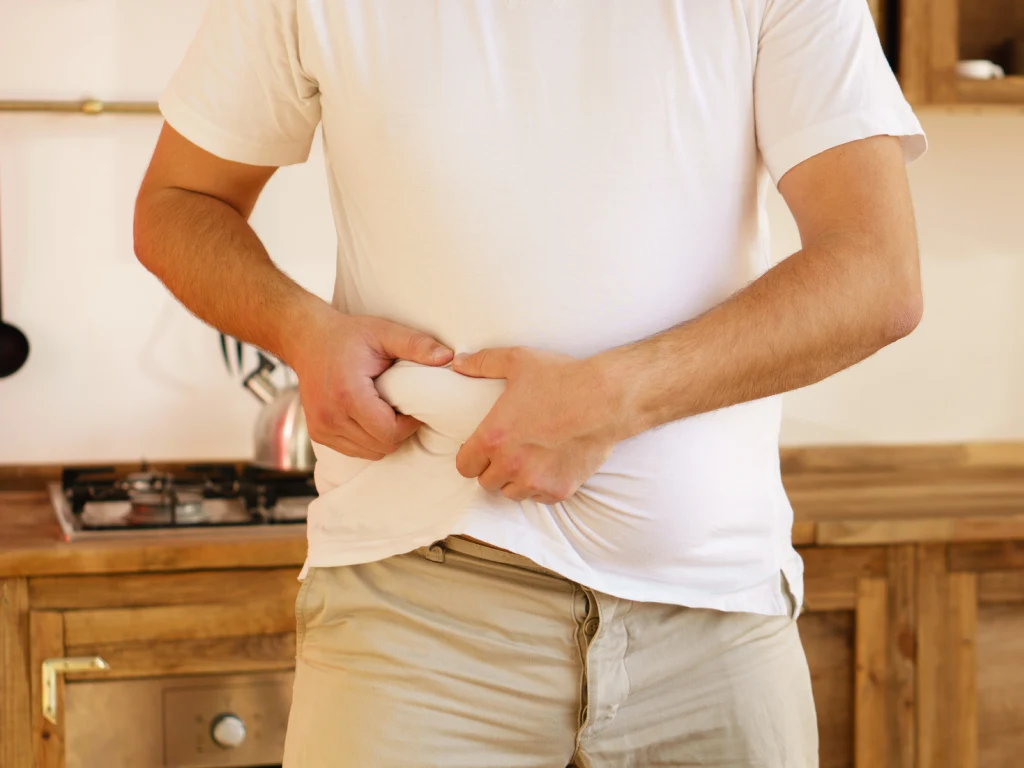
Visceral fat is the deep belly fat stored around your abdominal organs. Unlike the fat you can pinch under your skin, it is hidden, but it has a stronger impact on your long-term health. In Singapore, this matters because excess abdominal fat is closely linked to common chronic conditions such as diabetes, high blood pressure, high cholesterol and fatty liver disease. It can also affect people who look slim, sometimes described as being “skinny fat”.
The latest National Population Health Survey1 found that more than one in five adults have a BMI of 27.5 or above, the high-risk cut-off for Asians2. While BMI does not measure visceral fat directly, it can be a useful first signal. Waist size gives another practical clue, especially when weight alone does not tell the full story.
Key Takeaways
- Visceral fat is the hidden fat around your organs, while subcutaneous fat is the pinchable fat under your skin.
- Your waist size is a stronger indicator of hidden visceral fat than BMI alone. In Singapore, a waist of 90 cm or more for men, or 80 cm or more for women, is a warning sign, regardless of weight3.
- You can carry harmful visceral fat even at a normal weight, sometimes called being "skinny fat".
- Visceral fat responds well to a better diet, regular exercise, good sleep and less alcohol.
What is Visceral Fat?
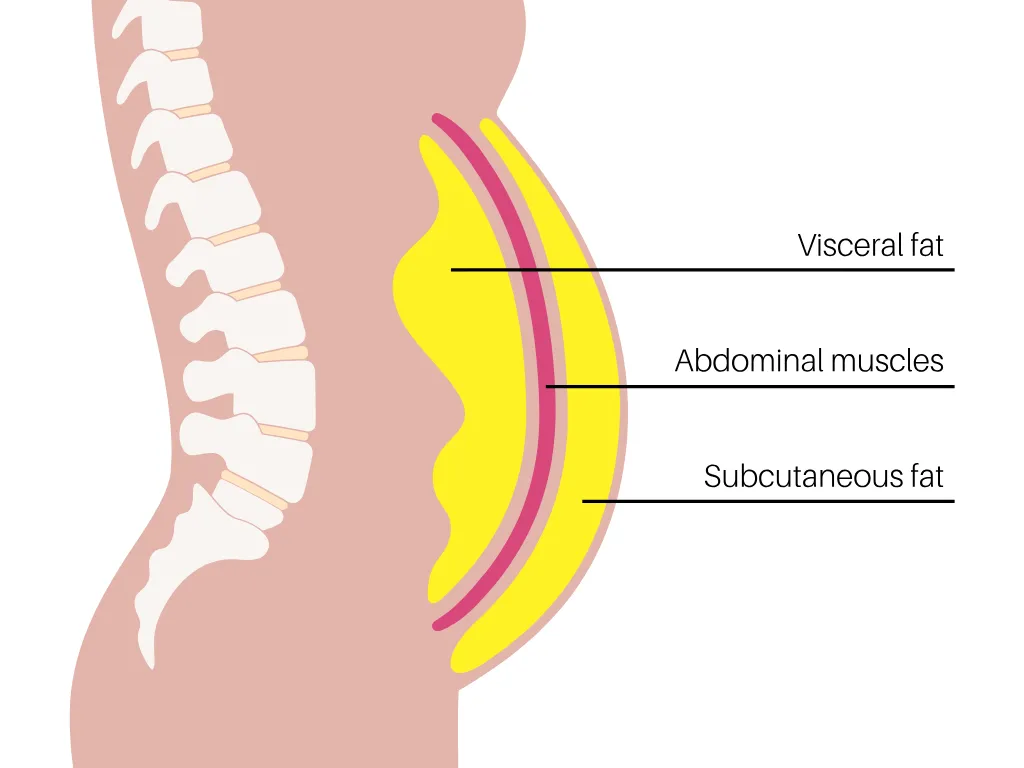
Visceral fat is the deep fat stored within your abdomen, wrapped around organs such as the liver, intestines and pancreas. It is different from subcutaneous fat, the layer that sits just beneath the skin and that you can pinch with your fingers.
The distinction matters because the two behave very differently.
- Subcutaneous fat sits under the skin and is generally less closely linked to metabolic disease than visceral fat whereas
- Visceral fat is biologically active: it releases hormones and inflammatory substances that interfere with how your body controls blood sugar, cholesterol and blood pressure.
This is why two people of the same weight can have very different health risks, depending on where their fat sits.
What causes visceral fat to form?
Visceral fat tends to accumulate from a combination of everyday factors rather than any single cause. The main drivers are:
- Regularly eating more calories than you use, especially from sugary drinks and refined carbohydrates
- A sedentary routine with long periods of sitting
- Poor or short sleep, and ongoing stress, which raise hormones that favour belly-fat storage
- Frequent alcohol intake
- Getting older, as muscle is lost and hormone levels shift
- Genetics, with people of Asian descent more prone to storing visceral fat even at a lower body weight
These factors tend to feed one another: a poor night's sleep raises stress hormones and appetite the next day, which makes it easier to skip exercise and reach for sugary food and drinks. That is also why visceral fat can build up gradually without any dramatic change in your routine, and why improving just one area, often sleep or daily movement, tends to make the others easier to fix.
Why is visceral fat dangerous?
Visceral fat is harmful because it is metabolically active, releasing substances that drive inflammation and insulin resistance throughout the body. Because it sits deep in the abdomen and drains directly into the liver, the fatty acids and inflammatory chemicals it produces interfere with how your body uses insulin, the hormone that controls blood sugar. This progressively pushes blood sugar, blood pressure and cholesterol in the wrong direction and keeps the body in a state of low-grade inflammation.
This raises the risk of several serious conditions:
- Type 2 diabetes, by making the body less responsive to insulin
- Heart disease and stroke, through raised blood pressure and unhealthy cholesterol levels
- Fatty liver disease, where fat builds up in the liver
- Metabolic syndrome, the cluster of high blood sugar, blood pressure, cholesterol and waist size that often occur together
These conditions are common in Singapore: the same national survey found that around one in three adults1 live with high blood pressure or high cholesterol, both closely tied to excess abdominal fat.
Visceral Fat in Men and Women: What's Different?
Men tend to store visceral fat around the abdomen, while women store more fat in the hips and thighs until menopause, after which abdominal fat tends to rise. The hormone differences behind this pattern explain why the same advice can play out differently for each.
For men
Men are more likely to develop an “apple shaped” pattern, with fat concentrated around the abdomen. Visceral fat and testosterone can also influence each other. As visceral fat increases, testosterone levels may fall, and lower testosterone can make it easier to gain more abdominal fat.
For women
Before menopause, oestrogen tends to direct more fat storage towards the hips and thighs. During perimenopause and after menopause, falling oestrogen can shift fat storage towards the abdomen, which is why some women notice more midsection weight even without major changes to their diet. Conditions such as PCOS can also increase insulin resistance, which may make abdominal weight gain harder to manage.
How to Reduce Visceral Fat
Visceral fat responds well to lifestyle change, including a better diet, regular exercise, good sleep and less alcohol, and it often reduces faster than fat in other parts of the body.
One important point first: you cannot spot-reduce belly fat. No amount of sit-ups or crunches will target the fat around your organs. What works is lowering your overall body fat through consistent habits. Even a loss of 5 to 10 percent of your body weight can meaningfully improve blood sugar, blood pressure and cholesterol3.
Eat for Protein and Fibre
Rather than crash dieting, build meals around lean protein and vegetables, which keep you full and help preserve muscle. Be mindful of portion sizes of white rice and noodles, choose wholegrains where you can, and watch liquid calories such as sweet kopi, teh and packaged drinks. If you eat out often, our guide on building a balanced meal at hawker centres offers practical local swaps.
Combine Aerobic and Strength Training
For visceral fat, a combination of aerobic exercise and strength training works better than either alone. A practical target is around 150 minutes of moderate activity a week, such as brisk walking, cycling or swimming, plus two sessions of resistance training to build muscle, which raises your resting metabolism.
Protect Your Sleep
Too little sleep disrupts the hormones that regulate appetite and fat storage and is linked to more visceral fat over time. Aim for seven to eight hours of consistent, good-quality sleep. Poor sleep can also be a sign of an underlying issue, and our article on when to suspect a sleep disorder explains the warning signs.
Cut Back on Alcohol
Alcohol adds empty calories and is a common, hidden contributor to abdominal fat. The "beer belly" is not a myth. Reducing how much and how often you drink is one of the simpler high impact changes many people can make.
Manage Stress
Chronic stress raises cortisol, a hormone that encourages fat storage around the abdomen and drives comfort eating. The same stress response also disrupts sleep, digestion and blood pressure, so easing it helps on several fronts, not just your waistline. Building in regular recovery, through exercise, hobbies or better sleep, makes a difference.
Body composition assessments can also help track changes over time, although waist measurement remains one of the simplest everyday markers.
When to See a GP

Because visceral fat can be high even when your weight looks normal, regular checks are worthwhile for everyone, not only people who appear overweight. It is worth seeing a GP if your waist is above the healthy range, you already have a related condition such as diabetes or high blood pressure, or you have tried lifestyle changes without results. It is also worth a visit if you have a family history of these conditions, or you simply want to understand your personal risk.
A GP can check your blood pressure, cholesterol and blood sugar, assess your overall risk, and help you set a realistic plan. This might be through everyday lifestyle changes or a more comprehensive executive health screening to establish a clear baseline. If you are already managing diabetes, high blood pressure or high cholesterol, the Chronic Disease Management Programme can support ongoing care.
Take Control of Your Visceral Fat
Understanding your waist size and reducing visceral fat is one of the most effective things you can do for your long-term health. Small, consistent changes to your diet, activity, sleep and alcohol intake make a real difference over time.
If you are concerned about your waist size, weight or related symptoms, speaking with a GP can help you understand your personal risk and build a realistic plan. Book a consultation with a Healthway Medical GP to check your waist, blood pressure and blood sugar and get advice suited to you.
Frequently Asked Question
Can you be slim and still have visceral fat?
Yes. It is possible to have a normal weight and BMI while carrying excess visceral fat around your organs, sometimes called being "skinny fat". This is why waist measurement is a useful check alongside your weight.
Does exercise alone reduce visceral fat?
Exercise is very effective for reducing visceral fat, especially a combination of aerobic activity and strength training. However, results are greater and more lasting when exercise is paired with a balanced diet, good sleep and limited alcohol.
How long does it take to lose visceral fat?
There is no fixed timeline, but visceral fat often begins to reduce within a few weeks to months of consistent lifestyle change and tends to respond faster than subcutaneous fat. Steady, sustainable changes work better than crash diets.
Is visceral fat reversible?
Yes. Visceral fat is one of the most responsive types of fat to lifestyle change, and reducing it lowers your risk of diabetes, heart disease and other conditions.
What is worse, visceral or subcutaneous fat?
Visceral fat carries the greater health risk. It sits next to and drains into vital organs like the liver and actively releases hormones and inflammatory substances that disrupt blood sugar, cholesterol and blood pressure. Subcutaneous fat under the skin is more of a passive store and is far less harmful in comparison, which is why your waist measurement matters more than how much you can pinch.
Sources
- Ministry of Health & Health Promotion Board. National Population Health Survey 2024 Report.
- Ministry of Health / Health Promotion Board. BMI Control — Healthier SG Care Protocol.
- WHO Expert Consultation. Appropriate body-mass index for Asian populations, The Lancet (2004).
This article is for general information and is not a substitute for personalised medical advice. Please consult a doctor for guidance specific to your health.
Related Doctor

Dr Jonathan Tan Wei Ern
General Practitioner MBBS (Singapore)Related Clinic

Healthway Medical (Bukit Panjang)


Related Articles

Adult Vaccination Costs in Singapore: Subsidies and MediSave Explained
October 06, 2026
CHAS, Healthier SG and MediSave: What’s the Difference?
September 28, 2026