
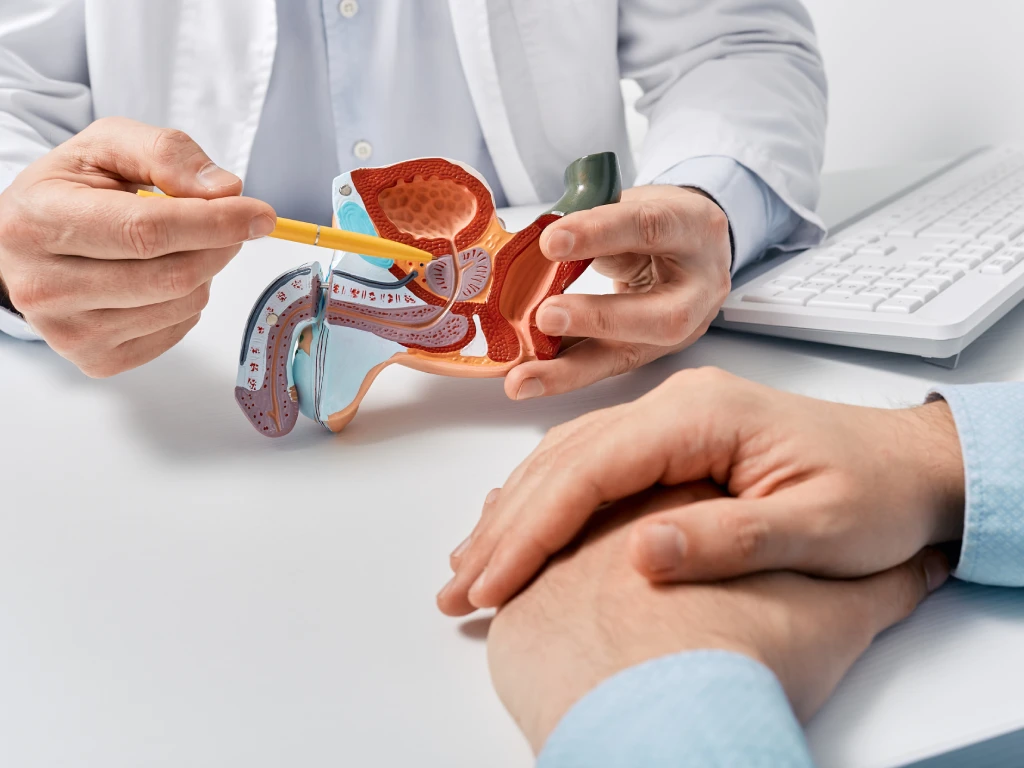
Stage 1. Stage 2. Stage 3. Stage 4. What do those numbers actually tell you about prostate cancer?
If you or someone close to you has been diagnosed with prostate cancer, hearing the word “stage” can bring a lot of questions. Does a higher stage mean the cancer has spread? Does every stage need treatment straight away? And what happens next?
In this guide, we break down what each prostate cancer stage means, what doctors look for when staging the cancer, and what it may mean for the next steps in your care.
Most importantly, having a stage number does not mean you have to figure everything out on your own. Your doctor can help you understand what your individual diagnosis means and discuss the options available to you.
Key Takeaways
- Stage 1: The cancer is localised to the prostate and generally has features associated with lower-risk disease.
- Stage 2: The cancer remains within the prostate but may have cells that look more abnormal under a microscope, involve more of the prostate, or have other features associated with a higher risk of progression.
- Stage 3: The cancer may have a high PSA level, more abnormal-looking cancer cells, or have grown beyond the prostate into nearby tissues, depending on the specific stage grouping.
- Stage 4: The cancer has spread to nearby lymph nodes or distant parts of the body, depending on whether it is Stage IVA or IVB.
- Staging is not the same as grading: Stage describes the extent of the cancer, while the Gleason score and Grade Group describe how abnormal the cancer cells look under a microscope.
- Early prostate cancer may cause no symptoms: Urinary changes can also be caused by non-cancerous prostate conditions.
What Is the Prostate and What Does It Do?
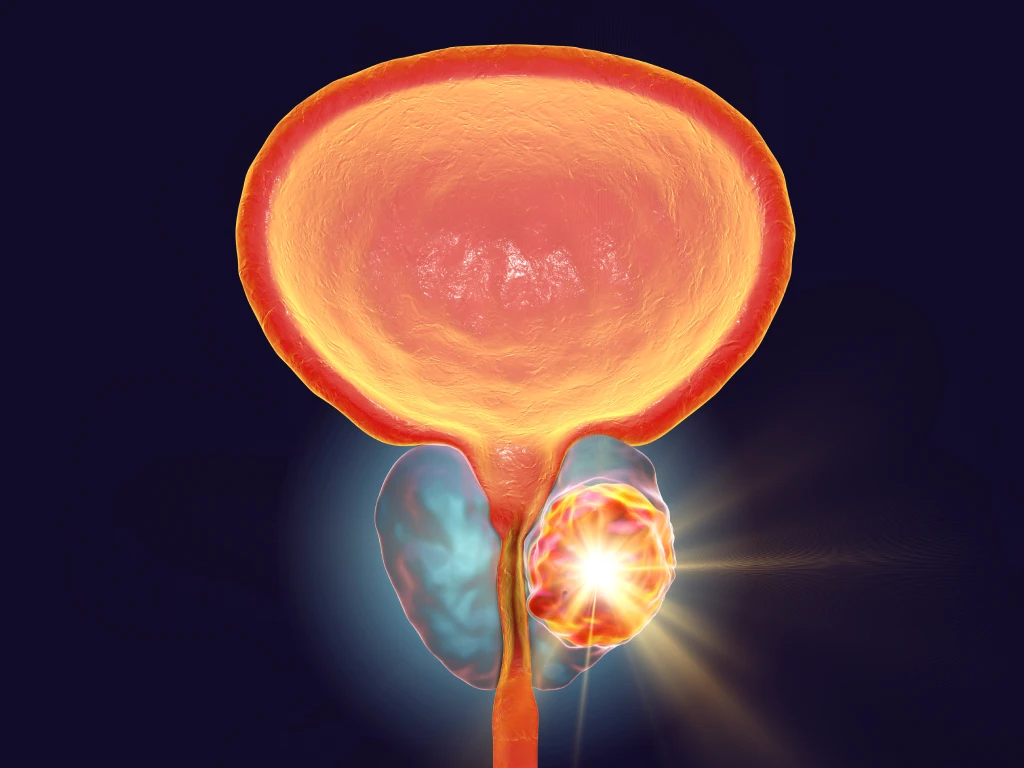
Before talking about prostate cancer stages, it helps to understand the prostate itself.
The prostate is a small gland located below the bladder and in front of the rectum. It surrounds part of the urethra, the tube that carries urine out of the body.
One of its main functions is to produce fluid that forms part of semen.
Prostate cancer develops when cells in the prostate grow abnormally and become cancerous. The cancer may remain within the prostate for some time, grow into nearby tissue or spread to other parts of the body.
It is important to distinguish prostate cancer from other prostate conditions. Benign prostatic enlargement, for example, is a non-cancerous increase in prostate size that can also cause difficulty urinating. Prostatitis, or inflammation of the prostate, is another standalone condition. Urinary symptoms alone cannot reliably distinguish between these conditions.
What does a prostate cancer stage mean?
Cancer staging is used to describe the extent of the cancer in the body.
For prostate cancer, doctors look at whether the cancer:
- Is contained within the prostate
- Has grown through the prostate into nearby tissue
- Has spread to nearby lymph nodes
- Has spread to distant parts of the body
Doctors use several pieces of information to determine the stage and assess the cancer's risk. These may include PSA levels, the results of a digital rectal examination, biopsy findings and imaging scans.
Understanding the TNM staging system
The TNM system describes three aspects of the cancer.
- T (Tumour): Describes the size and extent of the primary tumour.
- N (Nodes): Indicates whether nearby lymph nodes contain cancer.
- M (Metastasis): Whether the cancer has spread to distant parts of the body. If there is no evidence of distant spread, this is classified as M0. If cancer has spread to distant sites, it is classified as M1.
Prostate cancer can spread to places such as the bones or distant lymph nodes.
PSA level and Grade Group are also important when doctors determine the overall stage and risk of prostate cancer.
What Is the Difference Between Stage, Gleason Score and Grade Group?
These terms are often used together in a prostate cancer diagnosis, but they describe different things.
| Stage: Where the cancer is Describes whether the cancer is confined to the prostate, has grown into nearby tissues or has spread to lymph nodes or distant organs. |
| Gleason score and Grade Group: How the cells look A pathologist examines biopsy tissue under a microscope to assess the cancer’s growth patterns. These findings help estimate how aggressively the cancer may behave. |
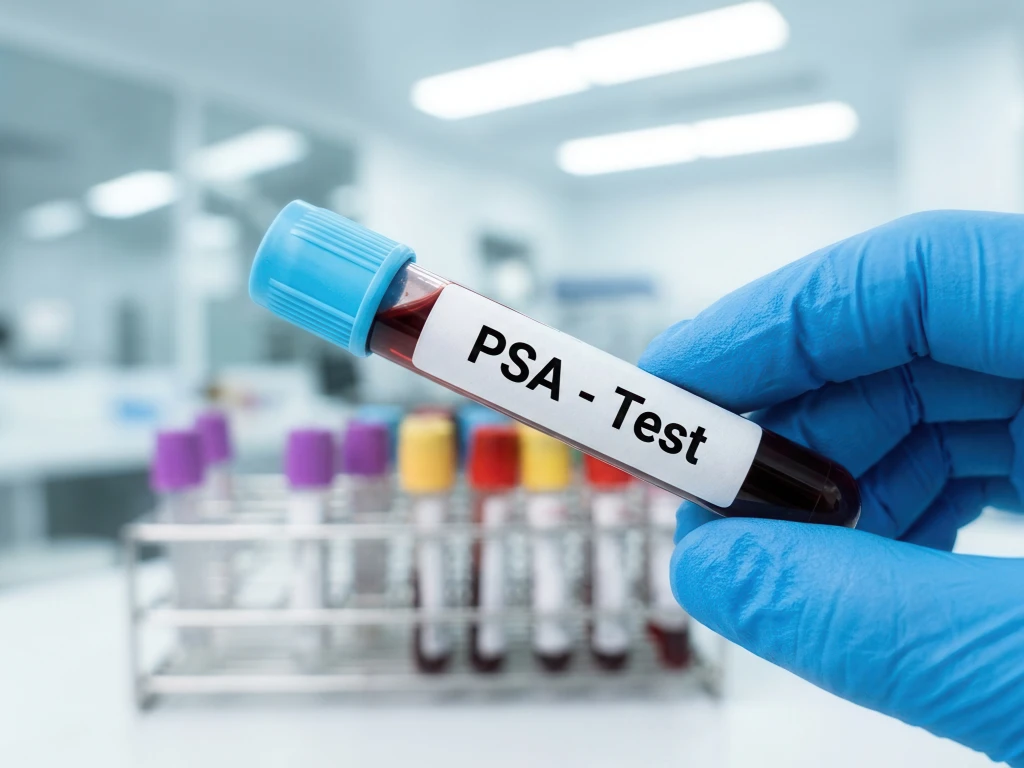
| PSA: A blood test result PSA stands for prostate-specific antigen, a protein produced by prostate cells. The level in your blood is one factor used to assess prostate cancer, but an elevated PSA level does not by itself confirm cancer. |
Gleason Score
A Gleason score is based on the patterns of cancer cells seen in biopsy tissue. The two most prominent patterns are graded and added together.
Modern prostate cancer reporting also commonly uses a Grade Group from 1 to 5:
| Grade Group | Gleason score | General meaning |
|---|---|---|
| Grade Group 1 | 6 or below | Lower-grade cancer |
| Grade Group 2 | 3+4=7 | Intermediate-grade cancer |
| Grade Group 3 | 4+3=7 | Intermediate-grade cancer with a higher proportion of pattern 4 |
| Grade Group 4 | 8 | Higher-grade cancer |
| Grade Group 5 | 9–10 | Highest-grade group |
The distinction between Gleason 3 + 4 and 4 + 3 matters. Although both scores add up to 7, they contain different proportions of the higher-grade pattern. This can affect the assessment of risk and the treatment discussion.
Remember: A low stage does not always mean low-grade cancer, and a higher-grade cancer is not necessarily the same thing as cancer that has spread. So, when doctors assess prostate cancer, they are looking at more than just one number.
The difference between prostate cancer stages
Prostate cancer is commonly described as Stage I, II, III or IV. Some stages are divided further into sub-stages.
One important point: the stage groups are not determined by tumour size alone. PSA level, Grade Group, the extent of the tumour and evidence of spread can all affect the final classification.
The following sections explain the general meaning of each stage. Your individual staging report may contain more specific details.
Stage 1: Cancer is confined to the prostate
In Stage I prostate cancer, the cancer is confined to the prostate and has features associated with an early-stage diagnosis. Many Stage I cancers have a relatively low Grade Group and PSA level, although the precise classification depends on the complete staging criteria.
At this stage, the cancer is generally considered lower grade and has not been found to have spread outside the prostate.
What happens at this stage?
Not every man with Stage 1 prostate cancer needs immediate treatment.
For some men with low-risk disease, doctors may recommend active surveillance. This involves monitoring the cancer through regular PSA tests, examinations, imaging and sometimes repeat biopsies.
If treatment is recommended, options may include surgery or radiotherapy, depending on the individual circumstances.
Importantly, early prostate cancer often causes no symptoms. But this does not necessarily mean there is no cancer.
Stage 2: Prostate cancer still within the prostate
Stage II prostate cancer is still confined to the prostate, but the cancer has characteristics that place it beyond Stage I. These may relate to the cancer's grade, PSA level or extent within the gland.
Stage 2 is divided into Stages IIA, IIB and IIC.
- Stage IIA: PSA between 10 and less than 20 ng/mL, or cancer involving a greater portion of the prostate while having a PSA below 20 ng/mL, depending on the Grade Group and tumour findings.
- Stage IIB: Cancer that remains within the prostate, with a PSA below 20 ng/mL and Grade Group 2.
- Stage IIC: Stage IIC also remains within the prostate but involves a higher Grade Group, such as Grade Group 3 or 4, with a PSA below 20 ng/mL under the standard stage grouping criteria.
These subdivisions take into account factors such as the PSA level, Grade Group and how much of the prostate is involved.
What treatment is available for Stage 2?
Depending on the cancer's risk profile, age and overall health, treatment may include active surveillance for selected patients, surgery or radiotherapy.
Your doctor will consider the full picture rather than making a treatment decision based on the stage alone.
3 Stage 3: Prostate cancer has advanced
Stage 3 prostate cancer is more complex because there are several ways a cancer can fall into this stage.
For example, cancer may extend into the seminal vesicles, which are glands involved in producing semen. Some cancers may also extend into other surrounding tissues.
Stage 3 does not describe one single situation. The extent of the tumour, its grade, PSA level and the presence or absence of lymph node involvement must all be considered when interpreting the diagnosis. This means that not all Stage 3 prostate cancers are the same.
What happens at this stage?
Treatment is usually planned according to the extent and characteristics of the cancer. Depending on the individual case, doctors may recommend a combination of treatments rather than a single approach.
Depending on the cancer's characteristics, treatment can include radiotherapy, hormone therapy and, in selected cases, surgery or other treatments.
The aim is to control the cancer while also considering potential treatment effects and quality of life.
4 Stage 4: Cancer has spread beyond the prostate
Stage 4 prostate cancer means the disease has spread beyond the prostate. However, there is an important distinction between cancer involving nearby lymph nodes and cancer that has spread to distant sites.
Stage IVA: The cancer has spread to nearby lymph nodes. It may also have grown into nearby tissues around the prostate. This is classified as N1, M0 under the TNM system.
Stage IVB: The cancer has spread to distant parts of the body, such as distant lymph nodes or the bones, including the spine, pelvis or ribs.
Treatment options
When prostate cancer has spread, treatment may focus on controlling the cancer, slowing its progression and managing symptoms. Treatment can include hormone therapy and other systemic treatments, with chemotherapy or additional therapies considered in appropriate cases.
The treatment plan depends on where the cancer has spread, how it is behaving, previous treatments and the man's overall health.
“Being told you have prostate cancer can be overwhelming, and seeing a stage number can make it feel even more daunting. But the stage is only one part of the picture. We also look at the PSA level, Grade Group, biopsy findings and imaging to understand the cancer more fully and determine which treatment options may be appropriate.”
— Dr Tan Yung Khan, Urologist, Urohealth Medical Singapore
How do doctors determine the stage of prostate cancer?
Staging is usually not based on a single examination. Your urologist may use several sources of information.
1. PSA Test
The PSA blood test measures the level of prostate-specific antigen in your blood.
A raised PSA can occur with prostate cancer, but it may also occur with non-cancerous prostate enlargement or inflammation. PSA alone cannot confirm cancer or establish its stage.
2. Digital Rectal Examination (DRE)
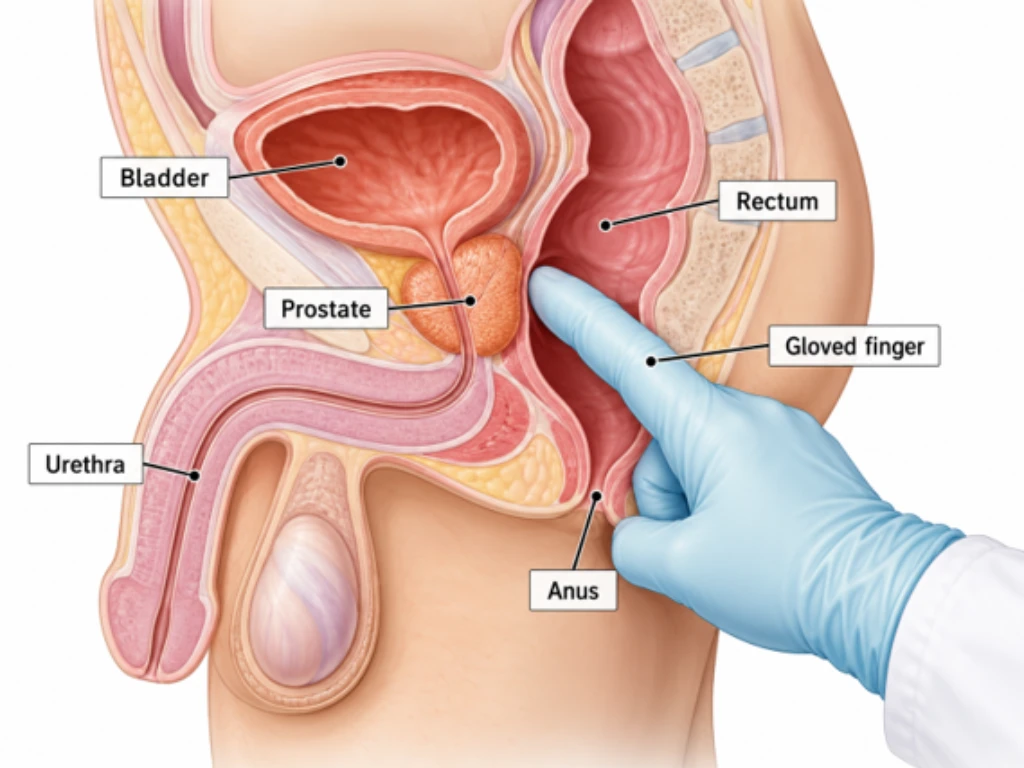
A digital rectal examination (DRE) allows the doctor to assess the prostate through the rectum. The doctor gently inserts a lubricated, gloved finger into the rectum to feel the prostate. The examination can help identify abnormalities in the prostate's size, shape or texture. It may feel uncomfortable, but it should not be painful.
Although it may feel uncomfortable or embarrassing, it is a relatively quick examination and can provide useful information about the prostate.
3. Prostate Biopsy
A biopsy is used to confirm whether cancer cells are present. During a prostate biopsy, small samples of prostate tissue are taken and examined under a microscope.
The pathology report provides important information, including the Gleason score and Grade Group.
These findings help doctors understand how the cancer cells look and how aggressively the cancer may behave.
4. MRI Scan
A prostate MRI can provide detailed images of the prostate and help identify areas that may be suspicious for cancer. It can also provide information about whether there are features suggesting that the cancer has extended beyond the prostate.
MRI findings may also help doctors plan a biopsy or assess the extent of known cancer.
5. CT Scan & Bone Scan
Additional imaging may be recommended when there is concern that the cancer has spread.
For example, CT or bone imaging may be used to assess whether there is evidence of cancer outside the prostate.
Not every patient requires every scan. The decision depends on factors such as the PSA, Gleason score or Grade Group, biopsy findings, clinical stage and the overall risk of the cancer spreading. Your doctor will recommend the appropriate imaging based on your individual assessment.
Can prostate cancer cause symptoms?
Early prostate cancer may not cause noticeable symptoms.
This is one reason prostate cancer can sometimes be detected following a PSA test or other assessment before a man develops obvious urinary symptoms.
When symptoms do occur, they can include:
- Difficulty starting urination
- A weak or interrupted urine stream
- Needing to urinate more frequently
- Needing to urinate at night
- A feeling that the bladder has not emptied completely
- Blood in the urine or semen
- Erectile difficulties
- Pain in the back, hips or pelvis, particularly when cancer has spread to the bones
However, these symptoms are not specific to prostate cancer.
For example, difficulty urinating is also common in men with an enlarged prostate. This is why symptoms alone cannot determine whether someone has prostate cancer.
If you develop persistent urinary changes, blood in the urine or semen, unexplained pelvic or back pain, or other concerning symptoms, speak with a doctor for assessment.
What happens after you are given a prostate cancer stage?
Your urologist will review your complete diagnosis and discuss the available management options.
Depending on your individual situation, these may include:
1. Active Surveillance
For selected men with lower-risk prostate cancer, doctors may recommend close monitoring rather than immediate treatment.
This can involve regular PSA testing, examinations, repeat imaging and, where appropriate, a repeat biopsy.
Treatment can be considered if there are signs that the cancer is progressing.
2. Surgery
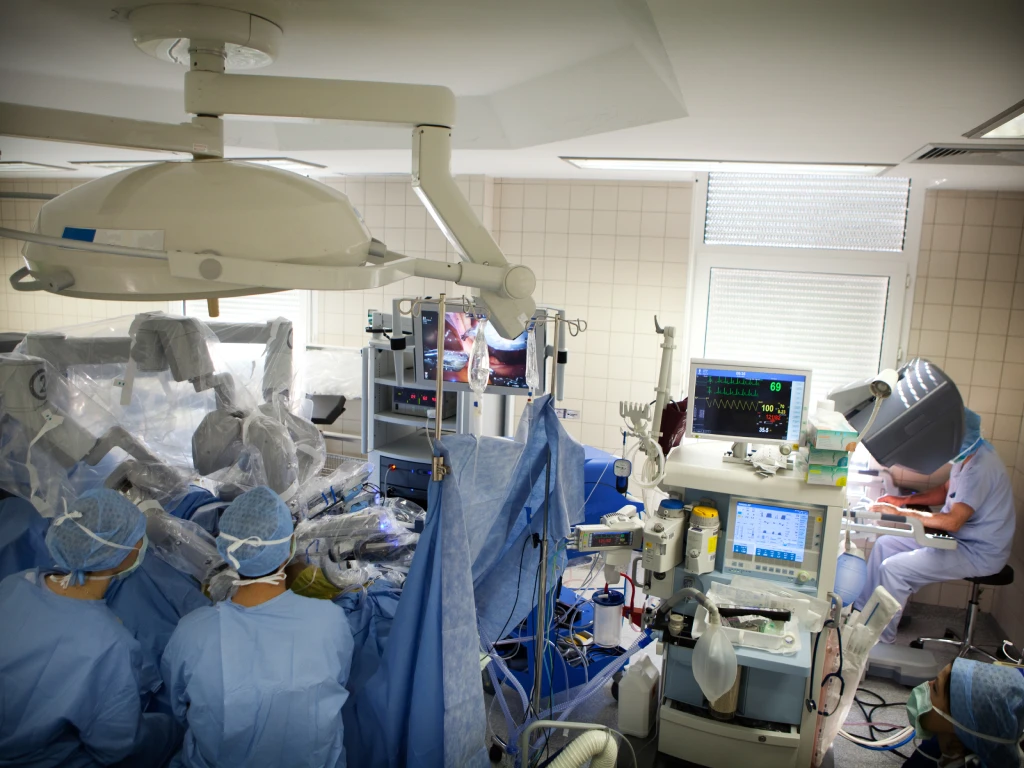
A radical prostatectomy involves removing the prostate and, in appropriate cases, nearby tissues and lymph nodes.
Surgery may be considered for selected patients whose cancer is suitable for an operation.
3. Radiation Therapy
Radiation therapy makes use of high-energy radiation to destroy cancer cells.
Depending on the situation, radiation may be directed at the prostate and surrounding areas and may be combined with hormone therapy.
4. Hormone Therapy
Prostate cancer cells can use male hormones, particularly androgens such as testosterone, to grow.
Hormone therapy reduces the effect or availability of these hormones and may be used alone or alongside other treatments, depending on the stage and characteristics of the cancer.
5. Treatment for Metastatic Disease
When prostate cancer has spread to distant parts of the body, treatment focuses on controlling the cancer throughout the body.
The treatment plan may involve hormone-based treatment and other systemic therapies, with additional treatment directed at specific areas when necessary.
The appropriate approach depends on where the cancer has spread, the cancer's biology, previous treatments and your overall health.
Understanding your prostate cancer stage can help you understand what comes next
Men can be good at putting health concerns on the back burner, especially when there are no obvious symptoms.
If you have recently received a prostate cancer diagnosis, ask your urologist to explain your results in terms that you can understand.
Knowing exactly where the cancer is, how it is behaving and what your treatment options are can help you make informed decisions about your next steps.
For men concerned about prostate health, regular medical assessment can also help identify problems earlier, particularly when symptoms or individual risk factors warrant further evaluation. Our urologists at Urohealth Medical Clinic, Dr Tan Yung Khan and Dr Nathaniel Heah can assess your symptoms and advise on the appropriate next steps for you.
Frequently Asked Questions
I wake up several times at night to pee. Could this be prostate cancer?
Waking up at night to urinate, also known as nocturia, is common and can have several causes. Frequent night-time urination alone does not mean you have prostate cancer. However, if it is new, persistent or getting worse, speak to your doctor, especially if you also experience difficulty urinating, a weak urine stream, blood in your urine or unexplained weight loss.
Is Stage 1 prostate cancer serious?
Stage 1 prostate cancer is confined to the prostate and is generally considered an early-stage cancer. Its risk level depends on factors such as the cancer’s grade, PSA level and other test results. Your urologist can explain what these findings mean for your individual situation.
Can prostate cancer affect urinary or sexual function?
Yes. Prostate cancer and its treatment may affect urinary and sexual function, including bladder control, erections and ejaculation. The effects vary depending on the cancer and the treatment used. Discuss possible side effects and available support with your urologist before starting treatment.
Can prostate cancer be present without symptoms?
Yes. Early prostate cancer often causes no noticeable symptoms and may be detected through screening or tests. If you have concerns about your risk, speak to your doctor about whether a prostate assessment is appropriate.
Does a high PSA level mean I have prostate cancer?
Not necessarily. PSA levels can rise for reasons other than prostate cancer, including an enlarged prostate or inflammation. Your doctor may recommend further assessment, such as a physical examination, imaging or a biopsy, depending on your PSA result and other risk factors.
Does prostate cancer always need immediate treatment?
No. Some people with lower-risk prostate cancer may be suitable for active surveillance, which involves regular monitoring rather than immediate treatment. Your urologist can explain whether this approach is appropriate based on your test results and overall health.
What should I do after being diagnosed with prostate cancer?
Speak to a urologist about your cancer stage, PSA level, Gleason score or Grade Group, MRI findings and whether the cancer has spread. These details help guide treatment decisions. You can learn more about the services and specialists at Urohealth, including Dr Tan Yung Khan and Dr Nathaniel Heah.

Medically Reviewed by Dr. Nathaniel Heah
Senior Consultant Urologist
Related Articles

Adult Vaccination Costs in Singapore: Subsidies and MediSave Explained
October 06, 2026
CHAS, Healthier SG and MediSave: What’s the Difference?
September 28, 2026