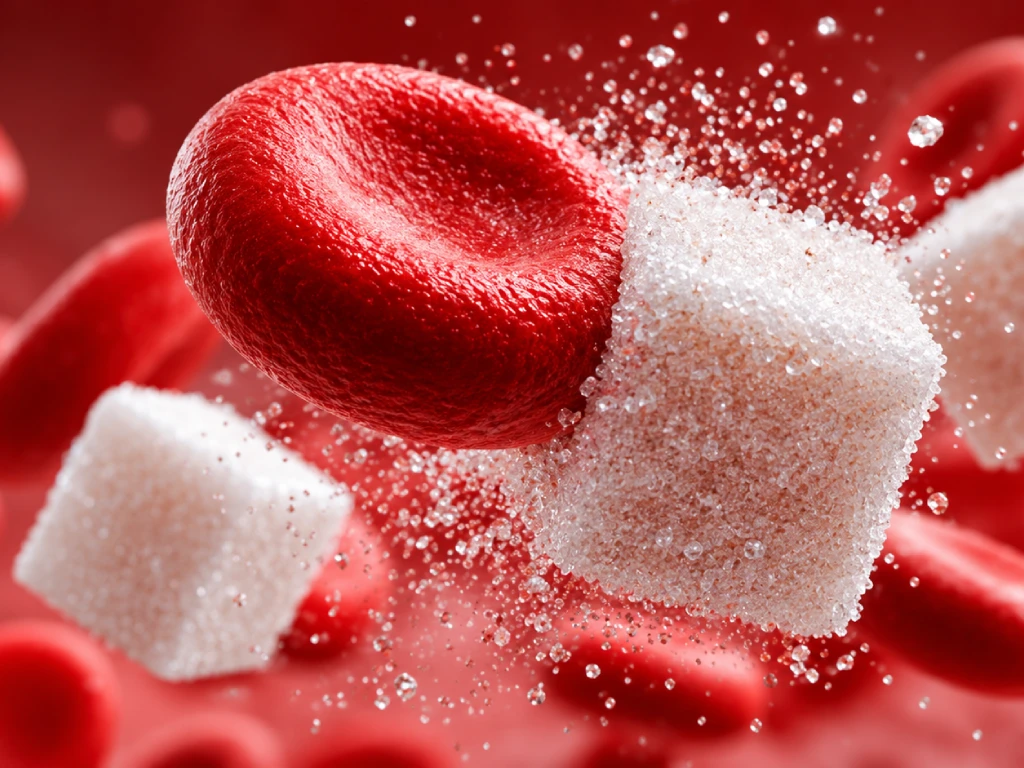
If your screening report or doctor has mentioned pre-diabetes, it is natural to wonder what comes next. Pre-diabetes means your blood sugar is above the healthy range, but below the level used to diagnose type 2 diabetes. ²
Having pre-diabetes does not mean you will inevitably develop type 2 diabetes. For many people, everyday lifestyle changes can bring blood sugar back to normal. ¹ They can also lower the risk of developing type 2 diabetes by 31 to 37% over two to six years. ²
Most of these changes work by helping your body respond better to insulin, the hormone that helps regulate your blood sugar. ⁴
The Role of Insulin in Managing Blood Sugar
After a meal, glucose from the carbohydrates you eat enters your bloodstream. Your pancreas responds by releasing insulin, which helps the cells in your muscles, fat and liver take in glucose for energy or storage. ⁴ When your cells respond well to insulin, your body can manage blood sugar without needing to produce extra insulin. This is known as insulin sensitivity.
Insulin resistance, by contrast, happens when your cells need a stronger insulin signal, so less glucose moves into them and more stays in your blood. Your pancreas makes extra insulin to make up for it, but over time it may not keep up. Blood sugar then rises, which can lead to pre-diabetes. ⁴ This usually happens without noticeable symptoms, which is why screening for pre-diabetes is needed to detect it. ²
Changes That Help Lower Your Blood Sugar

For most people with pre-diabetes, lifestyle changes are the recommended starting point. ²
Stay Active So Your Muscles Use More Glucose
When your muscles are working, they take up glucose from your blood for energy. Regular activity also makes your muscle cells more responsive to insulin, with benefits continuing after exercise. ⁵
Aim for at least 150 minutes of moderate-intensity activity a week, such as brisk walking, or 75 minutes of vigorous activity. Try not to go more than two days in a row without exercise. ² Include strength training alongside aerobic activity. ⁶
Eat Balanced Meals to Keep Blood Sugar Steadier
Food choices and portion sizes affect how much your blood sugar rises after a meal. Balanced meals can help manage these rises and support weight control where needed. Fill half your plate with vegetables and a small portion of fruit, a quarter with wholegrains, and a quarter with lean protein. It helps to cut back on sweetened drinks and limit pastries and fried food. ²
If you drink alcohol, keep to no more than one standard drink a day for women and two for men. ² When eating out, these tips for a balanced hawker meal can help you make better choices.
Lose Excess Weight to Help Your Cells Respond to Insulin
Excess visceral fat, the hidden fat around your abdominal organs, is linked to insulin resistance. Losing excess weight can help reduce this fat and improve insulin sensitivity. ⁴
If you are overweight, your doctor may recommend losing 5 to 10% of your body weight or working towards a body mass index (BMI) below 23, depending on your circumstances. ²
Stop Smoking to Protect Your Insulin Sensitivity
Smoking affects insulin sensitivity and secretion, making blood sugar harder to manage. ² If you smoke, support to quit is available.
You do not have to make every change at once. Start with daily habits that are manageable and build them up gradually ⁶ until they become part of your routine.
Keeping Your Blood Sugar in the Normal Range
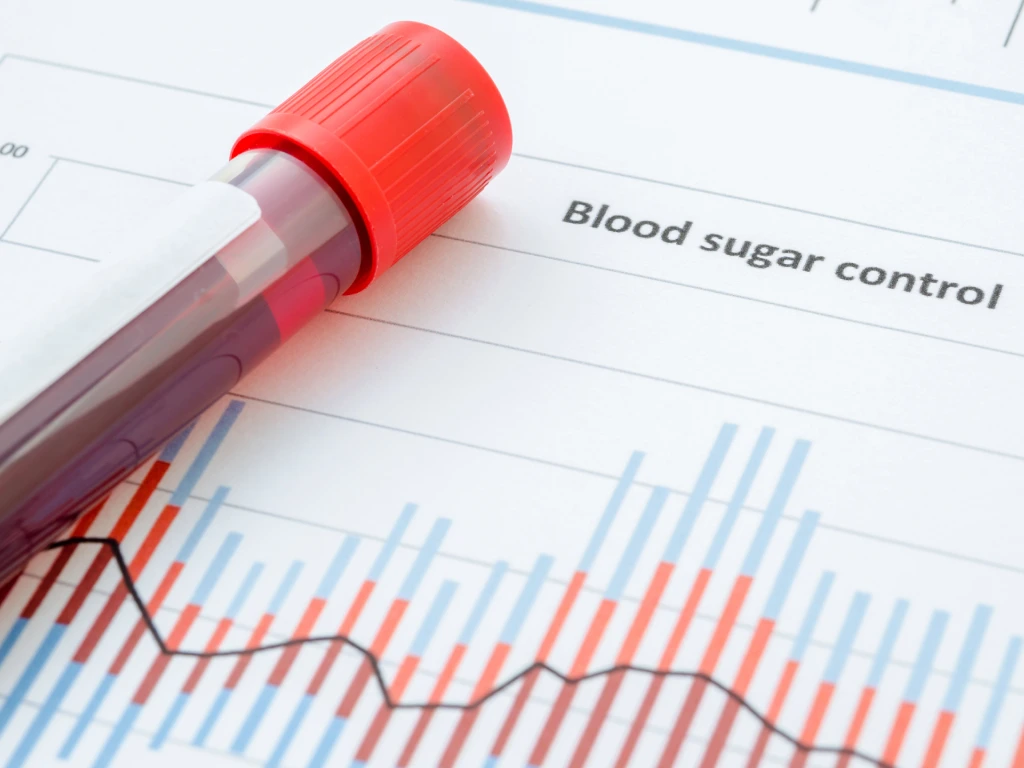
Blood sugar can rise again after returning to the normal range, so maintaining these changes remains important. Regular follow-ups help you and your doctor spot any changes early. Your doctor will advise how often you need blood tests and review other risk factors, such as blood pressure and cholesterol.
“Prediabetes is not simply a warning sign, but a valuable opportunity to intervene early and prevent progression to diabetes. Lifestyle changes remain the foundation of prevention, with medication offering additional benefits for some. Our role is to work with each patient to develop a sustainable plan and monitor their progress through regular follow-ups and blood tests.”
Dr Scott Joel Heng
General Practitioner
Healthway Medical (Tampines Street 11)
Using MediSave for Pre-diabetes Care
Pre-diabetes is covered under the Chronic Disease Management Programme (CDMP), so you can use MediSave for eligible outpatient treatment at participating clinics. ⁸ You can withdraw up to $500 a year, or $700 for more complex cases, usually with a 15% cash co-payment. From 1 January 2027, the yearly limits will rise to $700 and $1,000 for simple and complex chronic conditions respectively. ⁹ These annual limits apply across your CDMP treatment, rather than separately to each condition.
If you are a Singapore Citizen or PR receiving CDMP treatment at your enrolled Healthier SG clinic, the 15% cash co-payment requirement is waived. MediSave use remains subject to the applicable withdrawal limit. ⁹
Having pre-diabetes can feel worrying, but there is still time to make changes that help. You do not have to do it all at once or on your own. Your GP can help you take manageable steps that fit your daily life.
Frequently Asked Questions
Can pre-diabetes be reversed?
Pre-diabetes is considered reversible, which means your blood sugar can return to the normal range. ¹ This usually happens through healthier eating, regular activity and losing excess weight where needed. These changes help your body respond better to insulin. ²˒⁴ Reversing it does not mean it cannot return, so regular follow-ups remain important. ²
How long does it take to reverse pre-diabetes?
It varies from person to person. Your doctor will track your progress through follow-up blood tests. ²
How do I know if my blood sugar has returned to normal?
Follow-up blood tests can show whether your blood sugar has returned to the normal range. Your doctor will assess the relevant results together and explain what they mean for you. ³
Can pre-diabetes come back?
Yes. Blood sugar can rise again if old habits return. Keeping up your changes and going for regular follow-ups helps you and your doctor spot any changes early. ²
Will I need medication for pre-diabetes?
Lifestyle changes are the recommended first step for pre-diabetes. Medication may be considered if your blood sugar does not improve with these changes, or if making them is difficult. Your doctor will discuss whether it is suitable for you. ²
Is pre-diabetes care covered by MediSave?
Yes. Pre-diabetes is covered under the CDMP, so MediSave can be used for its care, subject to withdrawal limits. ⁸ The amount you can claim depends on factors such as your treatment and whether you are enrolled with a Healthier SG clinic, so check with your clinic for details. ⁹
How much weight do I need to lose?
If you are overweight, your doctor may recommend losing 5 to 10% of your body weight or working towards a BMI below 23, depending on your circumstances. ²
Can I still eat rice if I have pre-diabetes?
Yes. You do not need to cut out rice, but portion size matters. Keep it to about a quarter of your plate and swap some white rice for brown rice, which generally raises blood sugar less quickly. ²˒⁷
Do I need to cut out sugar completely?
Singapore’s clinical guidance on pre-diabetes from the Agency for Care Effectiveness advises avoiding sweetened drinks and foods where possible. Swapping sweetened drinks for plain water or unsweetened options is one simple change. ²
References
- HealthHub, Diabetes: Are You at Risk? https://healthhub.sg/live-healthy/diabetes-are-you-at-risk
- Agency for Care Effectiveness, Managing Pre-diabetes: A Growing Health Concern (Appropriate Care Guide), updated 2021. https://www.ace-hta.gov.sg/healthcare-professionals/acg/managing-pre-diabetes----a-growing-health-concern-acg/
- Ministry of Health, MOH Circular No. 08/2019: Changes to Population Screening Tests, 2019. https://www.diabetes.org.sg/wp-content/uploads/2025/06/MOH-Circular-New-Screenting-Test.pdf
- National Institute of Diabetes and Digestive and Kidney Diseases (NIDDK), Insulin Resistance & Prediabetes. https://www.niddk.nih.gov/health-information/diabetes/overview/what-is-diabetes/prediabetes-insulin-resistance
- American Diabetes Association, Blood Glucose and Exercise. https://diabetes.org/health-wellness/fitness/blood-glucose-and-exercise
- HealthXchange, Prediabetes Explained: What It Means and What to Do. https://www.healthxchange.sg/how-to-manage/diabetes-management/what-is-prediabetes-what-do-when-diagnosed
- HealthHub, The GI Values of Common Foods. https://healthhub.sg/live-healthy/the-gi-values-of-common-foods
- Ministry of Health, Chronic Disease Management Programme (CDMP). https://www.moh.gov.sg/policies-and-legislation/chronic-disease-management-programme-(cdmp)
- CPF Board, How the Chronic Disease Management Programme Can Help Manage Healthcare Costs, 2026. https://www.cpf.gov.sg/member/infohub/educational-resources/how-the-chronic-disease-management-programme-can-help-manage-healthcare-costs
Related Doctor

Dr Scott Joel Heng
General PractitionerRelated Clinic

Healthway Medical (Tampines St 11) - formerly known as United Medical Practitioners Pte Ltd


Related Articles
Pre-diabetes in Singapore: What It Is and How It Is Detected
November 14, 2026
Prostate Cancer Stages Explained: What Happens at Each Stage?
November 09, 2026